
Blooming
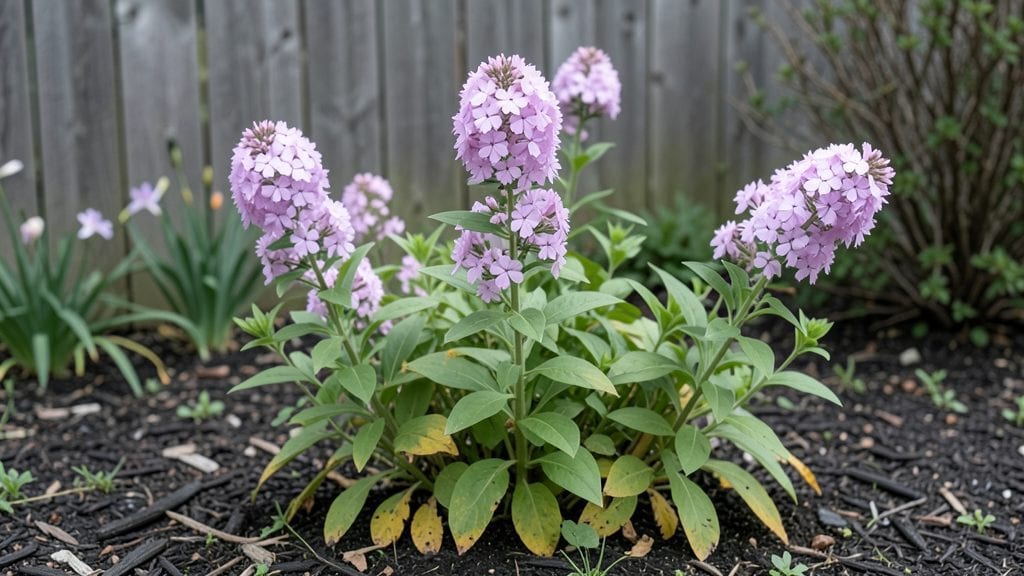
Garden phlox blooms in late spring to early fall 🌸, but the exact timing depends on your variety and climate—some burst into color as early as June, while others linger into September.
If you love the vibrant clusters of garden phlox but struggle with short-lived blooms, timing is everything—pruning at the right moment can stretch your flowers from a fleeting burst to a 6-week nonstop display.
In USDA Zone 6a, most varieties start blooming in June, but cooler regions may see them a few weeks later. Late-season types, like 'David,' can keep flowering until frost, while early bloomers like 'Early Call' fade sooner.
Below, I’ll show you how to time your pruning for maximum blooms, which varieties last longest, and how to plan your garden layout for a continuous summer show—no gaps, just color.
Garden phlox bloom time: seasonal stages and optimal pruning windows
Garden phlox (Phlox paniculata) is a summer garden star, but its 3-4 week bloom window can feel disappointingly short. The secret to extending those fragrant clusters lies in understanding its three distinct bloom stages—early, mid, and late summer—and matching them with precision pruning.
Whether you're in USDA Zone 3 with cooler summers or Zone 9 with prolonged heat, timing your cuts can transform a single burst of color into a 6-week floral showpiece.
Phlox blooms follow a predictable seasonal rhythm, starting with early-season varieties in June (like 'David' with its lavender spikes), peaking with mid-summer types in July-August (such as 'Jeana' with magenta pom-poms), and finishing with late-season stars like 'Bright Eyes' in September.
Each stage offers a unique pruning opportunity—miss it, and you risk stunted reblooms or powdery mildew from overcrowded stems. Let's break down the critical windows for each zone and variety.
| Bloom Stage | Timeframe (USDA Zones 3-5) | Timeframe (USDA Zones 6-9) | Pruning Deadline | Action Required |
|---|---|---|---|---|
| Early Summer | Late June - Early July | Mid-June - Early July | July 10 | Soft prune spent blooms; cut back 1/3 of stems to encourage second flush. |
| Mid-Summer | Mid-July - Early August | Late July - Mid-August | August 15 | Hard prune 50% of plant; remove weakest stems to prevent powdery mildew. |
| Late Summer | Late August - September | September - Early October | September 20 | Light deadheading only; avoid heavy cuts to preserve fall color. |
| Post-Bloom | October (Zones 3-5) | November (Zones 6-9) | First frost | Cut back to 6 inches; mulch to protect roots. |
Your USDA zone dramatically impacts phlox bloom timing. In cooler northern zones (3-5), early varieties like 'Blue Ridge' may bloom 2-3 weeks later than in warmer southern zones (6-9), where heat-tolerant types like 'Lipstick' thrive.
For example, in Zone 5, your July 10 pruning deadline for early blooms might shift to July 15—always adjust based on your last frost date and local heat waves. Pro tip: Use a garden journal to track bloom dates for 3 years to refine your pruning schedule.
Not all pruning is created equal. Soft pruning (removing only spent blooms) works for reblooming varieties like 'David' and 'Jeana', while hard pruning (cutting back 50% of the plant) is best for late-season types like 'Bright Eyes' to prevent overcrowding.
The key difference? Soft pruning preserves foliage for energy production, while hard pruning reduces disease risk by improving airflow. For Zone 9 gardens, where summers stretch into October, delay hard pruning until September 20 to maximize fall blooms.
Regional microclimates also play a role. If you're in a humid Zone 8 like Atlanta, powdery mildew can cut bloom time short—prune earlier (by July 1) and space plants 18-24 inches apart for airflow.
In dry Zone 6 areas like Denver, water deeply 2x weekly during bloom to prevent bud drop, then prune 1 week later than the table suggests. Always sterilize pruners with rubbing alcohol between cuts to prevent pathogen spread.
Timing isn't just about when you prune—it's also about how. For reblooming phlox, aim to prune within 24 hours of blooms fading to trigger new flower buds.
Use clean, sharp shears and cut just above a leaf node (the bump where leaves grow) to encourage lateral branching. Avoid pruning in extreme heat (above 90°F), as this stresses plants and invites pests.
Instead, schedule cuts for early morning or late afternoon when temps are below 80°F.
For first-time phlox growers, the biggest mistake is pruning too late. Waiting until August 20 to cut back mid-summer blooms can eliminate fall color entirely.
Use this 3-step rule: First bloom? Prune 1/3 of stems by July 10. Second bloom? Prune 50% by August 15. Final bloom? Only deadhead spent flowers. This staggered approach ensures continuous blooms from June through September in most zones.
Pair it with balanced fertilizer (10-10-10) applied after pruning to fuel regrowth.
Phlox varieties also have unique bloom personalities. Early bloomers like 'Jeana' reward light pruning to coax a second flush, while late bloomers like 'Lipstick' need hard pruning to reset growth for fall. Dwarf varieties (under 18 inches) can handle more frequent pruning (every 2 weeks), whereas tall types (over 3 feet) need longer recovery time—prune them only once per season.
Always label your plants to track which varieties respond best to your local climate.
Extend your phlox season with smart mulching. After your final prune (post-frost), apply 3 inches of organic mulch (like straw or shredded leaves) to insulate roots and retain moisture.
This one simple step can add 2-3 weeks to your bloom time by protecting plants from temperature swings. In Zone 3, mul
How to prune garden phlox for extended blooming: step-by-step guide
Pruning your garden phlox isn’t just about tidying up—it’s the secret to unlocking a 6-week bloom extension. When done right, you’ll turn those vibrant clusters from a fleeting summer show into a nonstop garden highlight.
The key? Timing your cuts to encourage reblooming while avoiding mildew risks and over-stressing the plant.
I’ve pruned my own phlox for years, and the difference between a single flush of blooms and a reblooming powerhouse comes down to three techniques: deadheading, cutting back, and shaping. Let’s break it down so you can keep your phlox in peak form all season.
Step-by-Step Pruning Guide for Garden Phlox
-
Step 1: Deadhead spent blooms
Trim faded flower clusters down to the first set of healthy leaves or buds using clean, sharp pruners. This redirects energy to new blooms instead of seed production.
-
Step 2: Light pruning after first bloom
Once the first bloom cycle ends (usually mid-summer), cut back 1/3 of the plant’s height to encourage a second flush. Avoid cutting into old wood.
-
Step 3: Shape for airflow
Thin out crowded stems to improve air circulation, reducing powdery mildew risks. Aim for a rounded, open shape rather than a dense clump.
-
Step 4: Fertilize post-prune
Apply a balanced fertilizer (10-10-10) 2-3 weeks after pruning to support new growth. Water deeply to avoid root burn.
-
Step 5: Fall cleanup
After the final bloom, cut back stems to 4-6 inches tall and remove any diseased foliage. Leave the base intact to protect overwintering buds.
Your pruning tools are critical here. Use bypass pruners for clean cuts and sterilize them with rubbing alcohol between plants to prevent spreading mildew. I also recommend wearing gloves—phlox can be a little prickly!
Timing matters just as much as technique. For early-season varieties, prune in late May to early June; for late-season types, wait until mid-July. In USDA zones 3-5, hold off until after the last frost to avoid cold damage.
Pro tip: If your phlox starts looking leggy or sparse, it’s begging for a prune! Just remember—never prune into old wood (the woody stems at the base), as this can kill the plant.
With the right cuts, your phlox will reward you with weeks of continuous color instead of a single burst.