
Planting
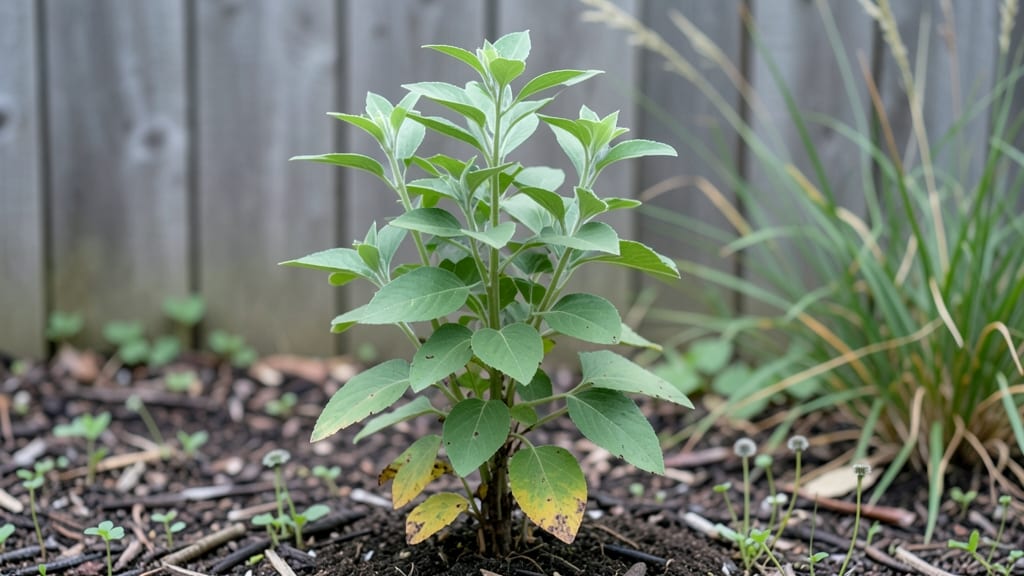
Mastering garden plant identification is your first step to avoiding costly mistakes—like buying duplicates, mistaking weeds for treasures, or risking your pets’ safety. 🌿 I’ve spent years staring at leaves and flowers, memorizing quirks like the jagged edges of a dill frond or... the fuzzy stems of lamb’s ear—small details that make all the difference between a mystery plant and a known treasure.
The key is focusing on three things: leaf shape, flower structure, and growth habit. A broadleaf with serrated edges could be a weed or a desirable herb—until you check the flower clusters.
My first identification cheat sheet had just 10 plants; now I recognize 50+ by sight, and I’ll show you how to build that skill without a botany degree.
By the end, you’ll confidently spot dandelions (weeds) from daylilies (ornamentals) and know whether that vine is a beneficial morning glory or invasive kudzu. The guide cuts through guesswork with clear visual cues and care tips for each plant—no more second-guessing what grows in your yard.
Works for beginners and seasoned gardeners alike, whether you’re clearing a wild patch or curating a curated border. Let’s turn your green mysteries into named favorites.
Common Causes of Plant ID Confusion
Misidentifying plants in your garden can be frustrating, but understanding the root causes helps you avoid mistakes. Here’s why plant ID often goes wrong—and how to tackle it.
Many plants share striking similarities, making them hard to distinguish at first glance.
For example: - Leaf shape: Some plants, like hostas and lilies, have broad, lance-shaped leaves, but their edges (smooth vs. serrated) and growth patterns differ. - Flower colors: Roses, hibiscus, and hydrangeas all produce vibrant blooms, but their petal structures (single vs. double layers) and growth habits (shrubs vs. perennials) vary. - Growth habits: Vines like morning glories and sweet peas both climb, but one is annual while the other is perennial, and their leaf arrangements differ.
Actionable fix: Compare multiple features (leaves, stems, flowers, and growth patterns) rather than relying on a single trait. Use a plant ID app (like PlantNet or iNaturalist) to cross-reference visuals with database entries.
Plants don’t stay the same year-round. A tree might lose its leaves in winter, a shrub’s flowers may fade after blooming, and some perennials die back to the ground. If you’re trying to ID a plant outside its peak season, its true identity can be obscured.
Key seasonal shifts to watch for:
- Spring: New leaves emerge before flowers, making ID tricky (e.g., early bloomers like crocuses vs. late-emerging bulbs).
- Summer: Some plants (like peonies) produce foliage before flowers, while others (like daylilies) bloom first.
- Fall/Winter: Deciduous plants shed leaves, and evergreens may drop old needles, altering their look.
Actionable fix: Take photos at different times of year and note changes in growth stages. Use a field guide or online database that includes seasonal variations.
Many garden plants are hybrids or cultivars (selectively bred varieties) designed for specific traits—color, size, or disease resistance. A single species (like roses or impatiens) can have hundreds of cultivars, each with unique characteristics.
Why this causes confusion:
- A "red rose" could be a Knock Out rose, a David Austin rose, or a spray rose—all with different leaf shapes, thorn patterns, and growth habits.
- Some plants (like coleus or sweet potatoes) are not true species but cultivated forms, making ID apps less reliable.
Actionable fix:
- Check the plant tag (if available) for cultivar names.
- Look for breeders’ labels (e.g., "Proven Winners" or "Monard ‘Bee Balm’").
- Use specialized databases like the American Rose Society or Missouri Botanical Garden PlantFinder for hybrids.
A plant’s appearance can shift based on soil type, sunlight, water availability, and local pests.
For example: - Sun exposure: A shade-loving fern in full sun may develop stunted, brittle fronds. - Soil pH: Hydrangeas turn blue in acidic soil and pink in alkaline soil—affecting flower color ID. - Pests/disease: Powdery mildew on roses or aphids on lilacs can distort leaves, making them look like a different species.
Actionable fix:
- Note your growing conditions (sun, soil, water) when identifying plants.
- Compare with local specimens—what grows naturally in your area may differ from online references.
- Consult regional plant guides (e.g., Pacific Northwest vs. Southeast US editions).
While plant ID apps are helpful, they’re not foolproof. Issues include:
- Low-resolution photos: Blurry or cropped images lead to wrong matches.
- User errors: People often photograph only flowers (ignoring leaves or stems).
- Database limitations: Some rare or hybrid plants aren’t in databases yet.
Actionable fix:
- Take clear, full-plant photos (include leaves, stems, and flowers).
- Use multiple apps (cross-check with Google Lens, PictureThis, or iNaturalist).
- When in doubt, consult a local nursery or botanical garden—experts can confirm tricky IDs.
Our brains love patterns, but we sometimes assume a plant’s identity based on limited evidence.
Common pitfalls: - "It looks like a weed" → Many beneficial plants (like dandelions or clover) are mislabeled as invasive. - "It’s a type of X" → Assuming a plant is a certain species because it resembles one (e.g., mistaking bittersweet nightshade for morning glory). - Ignoring native vs. invasive species → Some look-alikes (like kudzu vs. wisteria) can have drastically different impacts on your garden.
Actionable fix:
- Double-check with a botanist or extension service if the plant is critical (e.g., edible vs. toxic).
- Learn key distinguishing traits (e.g., toothwort vs. garlic mustard—one is edible, the other invasive).
- Use a field guide with illustrations (photos can be misleading; drawings often show key details better).
💡 Pro Tip: Keep a plant journal with photos, growth notes, and ID attempts. Over time, you’ll recognize patterns and reduce mistakes!
Quick fixes for plant ID struggles
Got a mysterious leaf, flower, or vine in your garden and no clue what it is? Don’t panic—solving the puzzle of garden plant identification is easier than you think!
Below are practical, step-by-step solutions tailored to common challenges, from blurry photos to confusing features. Each fix includes prevention tips to keep your future plant ID sessions smooth.
Problem: You snapped a photo, but the details are fuzzy, and apps can’t recognize it.
Solution: 🔥 📷 Take a Better Photo
- Get close-ups (within 6–12 inches) of key features like leaves, flowers, or bark.
- Use natural light (avoid shadows or backlighting).
- Capture multiple angles—top, side, and underside of leaves.
- Pro tip: 💡 Use a white background (like a sheet or poster board) to highlight colors and textures.
🍳 🔍 Use a Plant ID App with Confidence
- Try Google Lens, PlantNet, or PictureThis—they’re free and user-friendly.
- If the app guesses wrong, refine your search by focusing on one distinct feature (e.g., "red berries" + "lobed leaves").
👨🍳 📝 Compare with a Field Guide
- If tech fails, grab a printed guidebook (like National Audubon Society Field Guide) or use iNaturalist’s community database for crowd-sourced IDs.
Prevention: ✔️ Carry a small camera or phone stand for steady shots. ✔️ Learn basic botany terms (e.g., "serrated edges," "compound leaves") to describe plants verbally if needed.
Problem: Two plants look almost identical, but one is a nuisance (or toxic).
Solution: 🔥 🔍 Focus on the Fine Details Use this quick-decision table for tricky pairs:
| Feature | Poison Ivy | Virginia Creeper |
|---|---|---|
| Leaf Arrangement | 3 leaflets (rarely 5) | 5–7 leaflets |
| Leaf Texture | Smooth or slightly hairy | Rougher, sandpapery |
| Berries | White-green (toxic) | Blue-black (harmless) |
| Vine Clinging | Doesn’t climb; spreads on ground | Uses disk-shaped suckers to climb |
🍳 🧪 Do a Simple Test (For Poison Ivy)
- Rub a leaf between your fingers—if it feels oily, it’s likely poison ivy.
- Warning: 🚨 Never touch if you suspect poison ivy! Use gloves or a tool to inspect.
👨🍳 📚 Cross-Reference with Local Flora
- Check regional plant databases (e.g., USDA Plants or state extension services).
- Ask local gardening groups on Facebook or Reddit—they’ve seen it before!
Prevention: ✔️ Memorize 3 key ID traits for common look-alikes (e.g., "3 leaves = no good!"). ✔️ Wear long sleeves/gloves when handling unfamiliar plants.
Problem: You found a plant that might be invasive—how do you confirm?
Solution: 🔥 🌐 Check Invasive Species Databases
- Use EDDMapS (www.eddmaps.org) or your state’s invasive species list.
- Search by plant name or description (e.g., "Japanese knotweed").
🍳 📏 Measure and Note Growth Habits
- Invasives often have aggressive traits:
- Fast growth (e.g., kudzu, mile-a-minute vine).
- Noxious smell (e.g., garlic mustard).
- Chokes out natives (look for bare patches).
- Pro tip: 💡 Take a GPS-tagged photo if you’re unsure—helps track sightings.
👨🍳 📞 Contact Local Experts
- Call your county extension office—they can ID it and advise on removal.
- Report sightings to iNaturalist to help scientists monitor spreads.
Prevention: ✔️ Learn 5 common invasives in your area (e.g., English ivy, Oriental bittersweet). ✔️ Remove seeds/debris—don’t compost invasive plants!
Problem: You’re offline, out of books, and stuck in the wild.
Solution: 🔥 🌱 Use the "Leaf Shape & Arrangement" Trick
- Opposite leaves? Likely a maple, ash, or viburnum.
- Alternate leaves? Could be oak, hickory, or poison ivy.
- Palmately compound? Think buckeye or horse chestnut.
🍳 🌡️ Smell and Touch for Clues
- Citrusy scent? Lemon balm or citrus-scented geranium.
- Sticky sap? Milkweed or dandelion.
- Spiky? Cactus, holly, or osage orange.
👨🍳 🗣️ Ask a Local
- Strike up a conversation with hunters, hikers, or farmers—they often know the land better than apps!
Prevention: ✔️ Download offline plant ID apps (e.g., iNaturalist’s offline pack). ✔️ Carry a pocket guide (like The Peterson Field Guide to Wildflowers).
Make plant identification fun with these tips:
- Host a "Mystery Plant" contest with friends—who can ID it fastest?
- Use a magnifying glass to turn a walk into a scavenger hunt.
- Journal your finds with sketches and notes—great for tracking garden growth!
Final Reminder: 🎯 Start with one feature (leaf, flower, stem) and work outward. Most plants reveal themselves with patience! Now go solve that garden mystery—your green thumb is about to level up. 🌱🔍
Frequently asked questions
What are the easiest plants to identify in my garden?
Start with plants that have distinctive features like dandelions (toothed leaves, bright yellow flowers), milkweed (milky sap, clustered flowers), or lamb’s ear (fuzzy, silver leaves). These have unique traits that make them simple to spot even for beginners. Focus on leaf shape, flower structure, and growth patterns first.
How do I tell the difference between edible and toxic plants?
Never eat a plant unless you’re 100% certain of its identity. Key red flags include white sap (milkweed), shiny dark berries (nightshade family), or compound leaves with 3 leaflets (poison ivy). Use a field guide or app like PictureThis to verify before consumption.
Can I use my phone to identify plants?
Yes! Apps like Google Lens, PlantNet, or iNaturalist work well if you take clear photos of leaves, flowers, and stems. For best results, capture multiple angles in natural light and avoid blurry or cropped images. Cross-check with a second app if the first guess seems off.
What should I do if I find an invasive plant?
Remove it immediately—don’t compost! Check your state’s invasive species list (e.g., EDDMapS.org) for confirmation. Wear gloves, dig up roots completely, and dispose of debris in sealed bags. Contact your local extension office for removal tips on stubborn species.
Why do some plants look different in photos vs. in real life?
Lighting, angles, and seasonal changes alter appearances. A plant’s color may shift with sunlight, and flowers may fade or change shape over time. Always compare multiple features (leaves, stems, growth habit) rather than relying on a single trait from a photo.