
Tools
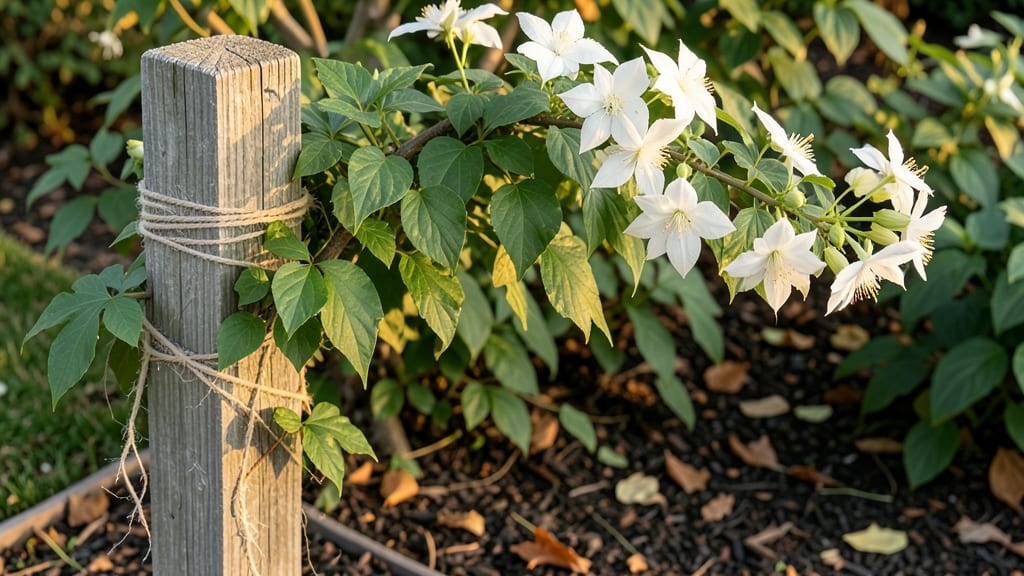
Garden post ideas blend practical support with artistic flair by leveraging materials like wood, metal, or stone, while offering design options from rustic to contemporary. Think about height, weather resistance, and decorative touches like engravings, paint, or integrated lighting to elevate both form and function in your outdoor space.
Transforming simple supports into statement pieces is all about matching your garden's personality. 🌿 For example, weathered cedar posts with hand-carved motifs scream cottage charm, while sleek black metal posts with built-in LED uplighting create a modern focal point.
The key is balancing durability—stone posts last decades but require heavy lifting—with ease of installation, like pre-cut treated wood that snaps together in minutes.
Don't overlook the subtle details: a simple coat of chalk paint can turn basic posts into a cohesive color scheme, or woven rope accents can soften sharp edges for a more organic look.
When planning, consider how each post will serve multiple purposes—like doubling as a trellis for climbing roses or holding string lights for evening ambiance. This dual functionality not only saves space but also turns practical elements into conversation starters.
For tropical gardens, think about hollow posts that can hide irrigation lines, while urban spaces might benefit from minimalist designs that won't overwhelm small yards. The right garden post ideas make your outdoor area feel intentional and inviting.
💡 In This Article
- Material Choices for Garden Posts
- Decorative Garden Post Designs for Every Style
Material choices for garden posts
Wood remains the most popular choice for garden posts because of its natural aesthetic and workability. Cedar and redwood are top picks due to their natural resistance to rot and insects, lasting 15-20 years with minimal treatment. Pressure-treated pine offers affordability but requires sealing every 2-3 years to prevent cracking.
The grain patterns and warm tones of wood create organic textures that blend seamlessly with plant life, while the ability to stain or paint it lets you match any garden color scheme.
Metal posts bring modern durability with options like wrought iron (which resists rust but needs powder coating) or aluminum (lightweight and corrosion-proof). Steel posts with galvanized coatings can last 30+ years and handle heavy loads like trellises or privacy screens.
The sleek lines of metal work beautifully in contemporary gardens, while decorative finishes like brushed bronze or matte black add sophistication. However, metal's cold surface can feel harsh in cottage-style gardens unless softened with plants or fabric wraps.
Stone posts offer timeless elegance and unmatched longevity, with granite or limestone lasting 50+ years with proper installation. Their weight provides excellent stability for tall structures, but they require precise leveling during installation. The natural variations in color and texture create visual interest, especially in Mediterranean or desert landscapes.
For a lighter option, composite materials blend wood fibers with recycled plastics, offering rot resistance without the maintenance of natural wood while mimicking its appearance.
Here's what to consider when choosing: wood excels in rustic settings but needs regular upkeep, while metal provides strength with low maintenance but can feel impersonal. Stone adds permanence but requires heavy equipment to install, and composites offer a middle ground with modern durability.
The right material depends on your garden's style, climate (humid areas favor metal or stone), and how much maintenance you're willing to handle.
For example, a 6-foot cedar post with a 4-inch diameter might cost $50-$80 and support a small trellis, while a 5-foot galvanized steel post of the same diameter would run $120-$180 but never need painting.
The choice isn't just about looks—it's about how each material interacts with your garden's ecosystem and your lifestyle. 🌱