
Tools
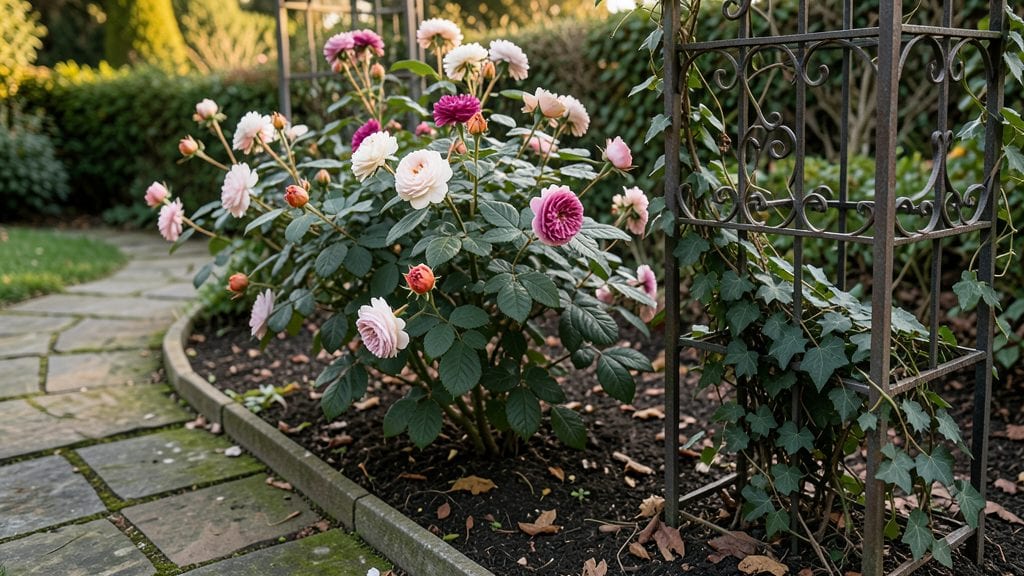
My cottage garden began with a single wild rose bush and a stubborn refusal to follow the rules. The result?
A lush, meandering space where lavender spills over stone walls and heirloom roses tangle with climbing clematis—all designed to look like it grew that way, but with intention. 🌿 The secret isn’t perfection; it’s layering plants by height, color, and bloom time so every corner feels alive year-round.
You don’t need a sprawling yard—just a sunny patch, a few key plants, and a relaxed approach. Start with three heights: low ground covers (like thyme or ajuga), mid-level bloomers (roses, peonies), and tall accents (delphiniums, hollyhocks) to create that signature cottage "wow."
Add a DIY trellis for climbing roses or a simple gravel path to invite wandering, and suddenly, your garden feels like a storybook come to life.
By summer’s end, you’ll have a garden that never looks finished—because it’s always in motion. Bees buzz between lavender and catmint, children (or you) can pick fresh herbs for tea, and the scent of roses lingers long after the blooms fade.
The best part? It’s easier to maintain than it looks, with perennials returning year after year and annuals filling gaps effortlessly.
Works in small urban yards, country backdrops, or anywhere with a little elbow room. Here’s how to stitch it all together—no green thumb required, just curiosity and a love of romantic chaos.
📚 In This Guide
- What you need
- Instructions
- Tips and common mistakes
- Wrapping up and next steps
What you need
- ● Soil & Compost: Topsoil – 2–3 cubic yards (depending on garden size)
- ● Organic compost – 1–2 bags (for enriching soil)
- ● Mulch (straw or bark) – 1–2 bags (to retain moisture and suppress weeds)
- ● Plants: Perennials (e.g., lavender, peonies, foxgloves) – 10–15 plants
- ● Annuals (e.g., sweet peas, nasturtiums, pansies) – 20–30 plants
- ● Herbs (e.g., rosemary, thyme, mint) – 5–10 plants (for fragrance and utility)
- ● Climbing plants (e.g., clematis, honeysuckle) – 3–5 plants (for trellises)
- ● Hardware & Structures: Wooden trellises or arches – 2–4 (for vertical growth)
- ● Stone or brick borders – 10–20 feet (to define garden edges)
- ● Garden stakes & twine – 1 pack (for supporting tall plants)
- ● Basic Tools: Garden trowel – 1 (for planting small items)
- ● Hand fork – 1 (for aerating soil)
- ● Pruners – 1 pair (for trimming and shaping)
- ● Garden gloves – 1 pair (to protect your hands)
- ● Watering can or hose – 1 (with adjustable nozzle)
- ○ Optional (But Helpful!) Extras: Wheelbarrow – 1 (for hauling soil and plants)
- ● Garden kneeler/pad – 1 (for comfort while planting)
- ● String lights or solar-powered stakes – 1 set (for evening ambiance)
- ● Vintage-style pots or wooden crates – 3–5 (for container gardening)
- ● Sunlight assessment – Ensure your garden gets at least 6 hours of sunlight daily (adjust plant choices for shadier spots).
- ● Water source – Access to a hose or watering system nearby.
- ● Basic knowledge – Familiarize yourself with plant spacing and seasonal care (or be ready to learn!).
- ● Local climate considerations – Choose plants suited to your USDA hardiness zone.
How to design a whimsical cottagecore garden layout
Here's my go-to approach for creating a charming, low-maintenance cottage garden that bursts with color year-round.
🌱 Step 1: Choose a Central Focal Point
Start by selecting a centerpiece that draws the eye—think a small tree, an old-fashioned trellis, or a vintage-style birdbath. I like to place mine slightly off-center to create natural balance. For a cottage feel, add climbing roses or clematis that will eventually spill over the structure, framing your garden like a living picture.
Measure your space carefully. A 5-foot diameter circle works well for a focal point surrounded by plants. Mark the center with a stake so you can build outward evenly. This ensures everything else will radiate naturally from the heart of your garden.
🌿 Step 2: Layer Plants for Seasonal Interest
Cottage gardens thrive on layers, so begin with tall plants like delphiniums or hollyhocks at the back, then add mid-height perennials such as peonies or lavender in the middle. For the front, use low-growing annuals like pansies or sweet alyssum to create a soft, inviting edge.
I always mix three heights—tall, medium, and short—to create depth. Space plants 12-18 inches apart so they can fill in over time without crowding. This arrangement lets sunlight reach the ground level, encouraging a lush, thriving understory of clover and moss.
☀️ Step 3: Add Whimsical Pathways and Seating
No cottage garden is complete without winding paths. Use stepping stones or crushed gravel to create meandering trails that invite exploration. For a cozy touch, add a small bench or a pair of Adirondack chairs tucked under a flowering tree—just enough to encourage lingering without overwhelming the space.
Keep pathways 2-3 feet wide so they feel inviting but not too broad. I like to edge them with lavender or thyme, which adds fragrance and keeps the paths from looking too stark. This also prevents soil erosion and makes weeding easier.
✂️ Step 4: Incorporate Mixed Textures and Colors
Cottage gardens are all about texture and contrast. Pair velvety lamb’s ear with spiky echinacea, or mix feathery grasses with rounded hydrangeas. For color, I stick to a soft palette—think dusty pinks, buttery yellows, and sage greens—with one or two bold accents like deep red or purple for drama.
Don’t forget to include evergreens like boxwood or hemlock to provide structure and year-round interest. These plants keep your garden looking lush even in winter. I also scatter a few ornamental grasses for movement and a natural, windswept look.
🪴 Step 5: Add Finishing Touches for Charm
Now it’s time for the little details that make a cottage garden feel magical. Hang a few wrought-iron lanterns or wind chimes near your seating area. Scatter old terracotta pots filled with trailing ivy or sweet peas along the pathways. Even a simple wooden sign with a whimsical quote adds character.
Finally, mulch with shredded bark or straw to suppress weeds and retain moisture. This also gives the garden a tidy, polished look while keeping the natural, rustic feel. Step back and admire your work—you’ve just created a garden that feels like stepping into a storybook.
Tips & tricks for perfect whimsical cottagecore garden layouts
A few simple strategies will transform your garden from ordinary to absolutely enchanting—without the overwhelm.
Central Focal Point Secret: When placing your 5-foot diameter focal point, step back and visualize how it frames your entire garden. I like to imagine it as the "heart" of the space—everything else should feel like it's naturally drawn toward it. If your garden has a view, position your focal point to frame it beautifully. For example, a trellis with climbing roses can create a romantic backdrop for a bench or seating area.
Plant Layering Pro Tip: The three-height rule (tall, medium, short) is non-negotiable for that magical cottage look. But here's what nobody tells you—your tallest plants should be spaced about 2 feet apart, while your shortest plants can go as close as 6 inches. This creates that lush, overflowing look without looking crowded. Think of it like building a stage where each plant has its own spotlight moment.
Pathway Planning: Your 2-3 foot wide pathways might seem narrow, but they're perfect for creating that intimate, meandering feel. To make them feel more inviting, add subtle lighting along the edges—solar-powered path lights work beautifully. I also recommend adding a few stepping stones that lead to "secret" spots in your garden, like a hidden bench or a small fountain. This encourages exploration and makes your garden feel like a fairy tale.
Texture and Color Harmony: When mixing your soft palette of dusty pinks, buttery yellows, and sage greens, aim for about 70% of your plants to be in your dominant colors, with 20% in secondary shades, and just 10% in bold accents. This creates that cohesive, dreamy look without feeling monotonous. For texture contrast, I like to pair one velvety plant (like lamb's ear) with one spiky plant (like echinacea) for every three plants in my garden.
Pro Tips for My Cottage Garden
- A few simple strategies will transform your garden from ordinary to absolutely enchanting—without the overwhelm.
- Central Focal Point Secret: When placing your 5-foot diameter focal point, step back and visualize how it frames your entire garden.
- Plant Layering Pro Tip: The three-height rule (tall, medium, short) is non-negotiable for that magical cottage look.
Frequently asked questions
Got questions about crafting your dream my cottage garden? Here are some of the most common ones—plus quick, practical answers to help you bloom with confidence!
What’s the best time of year to start a cottage garden?
A cottage garden thrives with year-round planning, but the best time to start is early spring (March–April) or late summer (August–September). Spring lets you establish perennials and bulbs, while late summer gives annuals time to root before cooler weather. If you’re working with a small space, even a mini cottage garden can begin in containers anytime!
How do I keep my cottage garden looking lush without overwatering?
Cottage gardens love consistent moisture but hate soggy roots. Water deeply 2–3 times per week (more in extreme heat) and focus on the base of plants. Use mulch (straw, bark, or leaves) to retain moisture and suppress weeds. Group plants with similar water needs together—like herbs with lavender or roses with delphiniums—to simplify care.
Can I mix modern plants with cottagecore flowers?
Cottage gardens are all about whimsy and personality, so don’t shy away from mixing modern favorites like succulents or ornamental grasses with classic roses and peonies. Just keep the color palette soft and romantic (think blush pinks, sage greens, and dusty blues) and add rustic elements like weathered pots or vintage trellises to tie it all together.
What’s the easiest way to deter pests naturally in a cottage garden?
Pests hate diversity and scent! Plant companion flowers like marigolds (repel nematodes), nasturtiums (ward off aphids), or lavender (keeps flies away). Encourage beneficial insects like ladybugs and lacewings with bee balm or dill. For slugs, set out beer traps or copper tape—and always remove fallen fruit or overripe veggies to avoid attracting critters.
Do I need a big backyard for a cottage garden?
Not at all! Cottage gardens shine in small spaces too. Use vertical gardening (trellises, hanging baskets, or wall planters) to maximize room. Even a balcony, windowsill, or patio can host a charming mini cottage garden with herbs, pansies, or trailing ivy. The key is layering plants and textures—think tiered pots, old teacups, or repurposed wooden crates for that cozy, lived-in feel.
Wrapping up and next steps
Creating your whimsical cottage garden is all about embracing nature’s charm—one seasonal bloom at a time! 🌸 Whether you’re tucking in climbing roses, weaving wildflowers into borders, or cozying up with a rustic trellis, the key is to let your garden tell its own story.
Start small, experiment fearlessly, and remember: the most magical gardens grow from joy, not perfection.
Ready to dive in? Pick a corner of your yard (or even a sunny windowsill!), gather a few tools, and plant that first seed or bulb today. Your future self—and the bees—will thank you!