
Tools
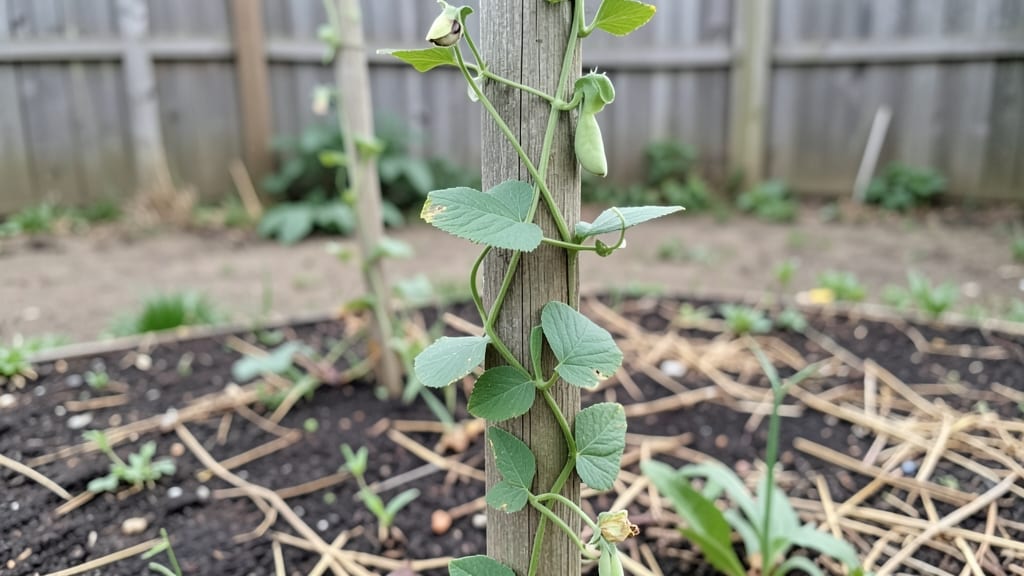
Growing sweet peas from seed to fragrant blooms in just 90 days is one of those gardening triumphs that makes every early morning worth it. 🌱 I’ve watched these delicate vines transform from tiny seeds into a towering display of edible flowers—each one bursting with that intoxicating perfume that lingers in the air long after you’ve passed.
The key isn’t just patience; it’s knowing when to plant, how to coax those first tendrils upward, and which tricks keep them blooming until frost.
You’ll need a sunny spot with well-draining soil, sturdy trellises or fences for those climbing vines, and a steady supply of water—though not so much that the roots drown. Sweet peas thrive in cooler weather, so aim to plant them in early spring or late summer, depending on your zone.
The real magic happens when you mimic their natural habitat: loose, fertile soil and a little shade from the midday sun in hotter climates. Most gardeners overlook the importance of consistent moisture, but sweet peas hate dry spells once they’re established.
By mid-summer, you’ll be harvesting armfuls of blooms for bouquets or salads, their sweet, pea-like flavor adding a unique twist to dishes. The vines keep producing if you deadhead regularly and fertilize lightly every few weeks.
Even better? Sweet peas fix nitrogen in the soil, so they improve the garden bed for next year’s plants. It’s the kind of crop that rewards both the gardener and the earth—no synthetic shortcuts needed.
Here’s where it gets interesting: sweet peas are surprisingly low-maintenance once they’re off to a good start, but they will test your patience if you rush them. The first few weeks are critical—too much heat or drought, and you’ll lose them.
Stick with me, and I’ll walk you through every step, from seed to those first fragrant blossoms you’ll want to bottle and save for winter.
📚 In This Guide
- What you need
- Instructions
- Tips and common mistakes
- Wrapping up and next steps
What you need
- ● Sweet pea seeds: 10–20 seeds (choose heirloom varieties like 'Cupani' or 'Black-Eyed Susan' for edible flowers).
- ● Growing containers or garden bed: For containers: 12–18" deep pots (at least 2 per plant for climbing support).
- ● For in-ground: Well-draining soil with a pH of 6.0–7.5.
- ● Climbing support: Trellis, fence, or sturdy stakes (6+ feet tall).
- ● Compost or organic fertilizer: Balanced 10-10-10 or bone meal (1 tbsp per plant at planting).
- ● Mulch: Straw or shredded leaves (1–2 inches thick to retain moisture).
- ● Watering can or hose with gentle spray nozzle.
- ● Seed-starting kit: For early indoor sowing (if your climate has a short growing season).
- ● Peat pellets or seed-starting mix: For germinating seeds indoors.
- ● Epsom salt: 1 tsp dissolved in water (boosts magnesium for healthier blooms).
- ● Handheld fan: Improves germination by mimicking wind (sweet peas need it!).
- ● Pruning shears: For trimming vines and deadheading spent flowers.
- ● Copper tape or slug bait: Protects young seedlings from pests.
Step-by-Step instructions for growing garden sweet peas
Sweet peas are one of the easiest vines to grow—just follow these steps for fragrant blooms and edible flowers.
🌱 Step 1: Choose the Right Location and Prepare the Soil
Sweet peas thrive in full sun (at least 6 hours daily) and well-draining soil. I always pick a spot sheltered from strong winds, since their vines can be delicate when young. Amend the soil with 2-3 inches of compost to improve fertility and drainage—sweet peas hate soggy roots.
Dig in the compost until the top 12 inches of soil is loose and crumbly. You’ll know it’s ready when a handful breaks apart easily without clumping. If your soil is heavy clay, mix in 1 part perlite to the existing soil to prevent compaction.
🪴 Step 2: Install Support Structures and Plant Seeds
Sweet peas need vertical support to climb, so install 5-foot tall trellises or stakes before planting. I use bamboo canes tied with twine for a rustic look, but metal cages work too. Plant seeds ½ inch deep and 2 inches apart in early spring, about 6-8 weeks before your last frost date.
Sow 4-5 seeds per spot since germination rates can be uneven. Press them lightly into the soil—don’t bury too deep, or they’ll struggle to surface. Water gently after planting to settle the soil around the seeds. You’ll see sprouts in 7-14 days at 60-70°F soil temperatures.
☀️ Step 3: Thin Seedlings and Provide Consistent Care
Once seedlings reach 2 inches tall, thin them to the strongest 2-3 plants per spot, snipping the rest at the base with scissors. This prevents overcrowding and gives remaining plants room to grow. Keep the soil evenly moist—never soggy—by watering at the base once a week unless it’s extremely hot.
Fertilize lightly with a balanced 10-10-10 formula when flowers first appear. Too much nitrogen makes plants leafy but flower-sparse. Watch for aphids on new growth—spray with neem oil if you spot sticky residue on leaves.
✂️ Step 4: Train Vines and Encourage Blooms
As vines reach 12 inches tall, gently weave them through the trellis or tie them to stakes with soft twine. Sweet peas climb naturally but need guidance early on. Pinch back the first few flowers that appear—this redirects energy to stronger stems and more abundant blooms later.
Deadhead spent flowers regularly to encourage continuous blooming. You’ll know it’s working when new buds form within 2 weeks. Harvest flowers in the morning for peak freshness, and enjoy their sweet, floral scent—perfect for edible garnishes or dried arrangements.
⏰ Step 5: Extend the Season and Prepare for Next Year
Sweet peas are annuals but self-seed easily. If you love their fragrance, let a few pods mature and dry on the vine—they’ll scatter seeds for next spring. In fall, cut back dead vines and mix 2 inches of compost into the soil to replenish nutrients.
Mark the spot so you remember where they grew—sweet peas thrive in the same location year after year. With this care, you’ll have 90 days of blooms and a vine-covered treasure trove of edible beauty.
Tips & tricks for perfect garden sweet pea growth
Sweet peas are surprisingly low-maintenance once you know these simple tricks that'll make all the difference in your garden's success.
Soil Temperature Matters: The 60-70°F soil temperature range in Step 2 is critical for germination. If your soil feels cooler than that, place a clear plastic cover over the bed to create a mini greenhouse effect. I've seen germination improve dramatically when soil stays consistently warm—sometimes even by a few extra days faster!
Thinning Technique: When thinning seedlings in Step 3, I recommend using small scissors to snip at the base rather than pulling. This prevents disturbing the roots of your remaining plants. Choose seedlings that are pale or leggy—they're the ones competing with your strongest plants for nutrients.
Support System Strategy: For the 5-foot trellises in Step 2, I've found that installing them diagonally rather than straight up creates a more stable structure. The vines will naturally find their way up, and you'll avoid the "leaning tower" look that can happen with vertical-only supports.
Deadheading Timing: The 2-week window for new buds to form after deadheading in Step 4 is your best indicator of success. If you're not seeing buds within that time, check for aphids first—those tiny pests can sap energy from your plants before you even notice them.
Pro Tips for Garden Sweet Pea
- Sweet peas are surprisingly low-maintenance once you know these simple tricks that'll make all the difference in your garden's success.
- Soil Temperature Matters: The 60-70°F soil temperature range in Step 2 is critical for germination.
- Thinning Technique: When thinning seedlings in Step 3, I recommend using small scissors to snip at the base rather than pulling.
Frequently asked questions
Got questions about growing garden sweet peas? You’re not alone! Here are answers to the most common queries to help you cultivate these fragrant, edible climbers with confidence.
When is the best time to plant garden sweet peas?
Plant garden sweet peas in early spring (2–3 weeks before your last frost) or late summer for a fall harvest. They thrive in cool weather (50–70°F) and cannot tolerate hot summers. For continuous blooms, succession plant every 2–3 weeks.
How long does it take for sweet peas to grow and flower?
From seed to bloom, expect 60–90 days in ideal conditions. Early varieties may flower sooner, while heirlooms take longer. Provide trellises or supports early—vines grow fast (1–2 feet per week!) and need guidance to climb.
Why aren’t my sweet peas flowering? What’s wrong?
Missing flowers? Check these fixes:
- Insufficient sunlight: Sweet peas need 6+ hours of sun daily. Move to a sunnier spot.
- Overcrowding: Thin seedlings to 3–4 inches apart for better air circulation.
- Lack of support: Vines need a trellis or stake to climb—without it, they’ll focus on leaves, not blooms.
- Poor soil: Amend soil with compost and a balanced fertilizer (like 10-10-10) for blooms.
Can I eat the flowers and pods of garden sweet peas?
Garden sweet peas are edible and delicious. Use young, tender flowers in salads or garnishes (they taste like peas with a hint of licorice). Pods are edible when flat and green—blanch and sauté like snap peas. Note: Avoid bitter-tasting varieties for eating.
What can I plant instead of sweet peas if I hate waiting for them to grow?
If you want fast, edible climbers, try these alternatives:
- Peas (sugar snap or snow peas): Ready in 50–60 days; edible pods and flowers.
- Malabar spinach: Heat-tolerant vine with edible leaves (harvest in 60 days).
- Nasturtiums: Fast-growing, edible flowers and leaves (peppery taste).
- Morning glories: Quick blooms (30–40 days) with edible flowers (mild potato taste).
For fragrant, ornamental climbers, consider jasmine or honeysuckle (non-edible but stunning).
Wrapping up and next steps
Growing garden sweet peas is a rewarding journey that brings fragrant blooms, edible flowers, and a touch of whimsy to your space—all in just 90 days! 🌸 With the right soil, support, and care, these climbing vines will transform your garden into a lush, fragrant paradise.
Whether you're a beginner or a seasoned gardener, the key is patience and a little love.
Ready to take the next step? Start by selecting your favorite varieties and planting them this season—your future harvest of sweet, floral treats awaits! 🌱