
Planting
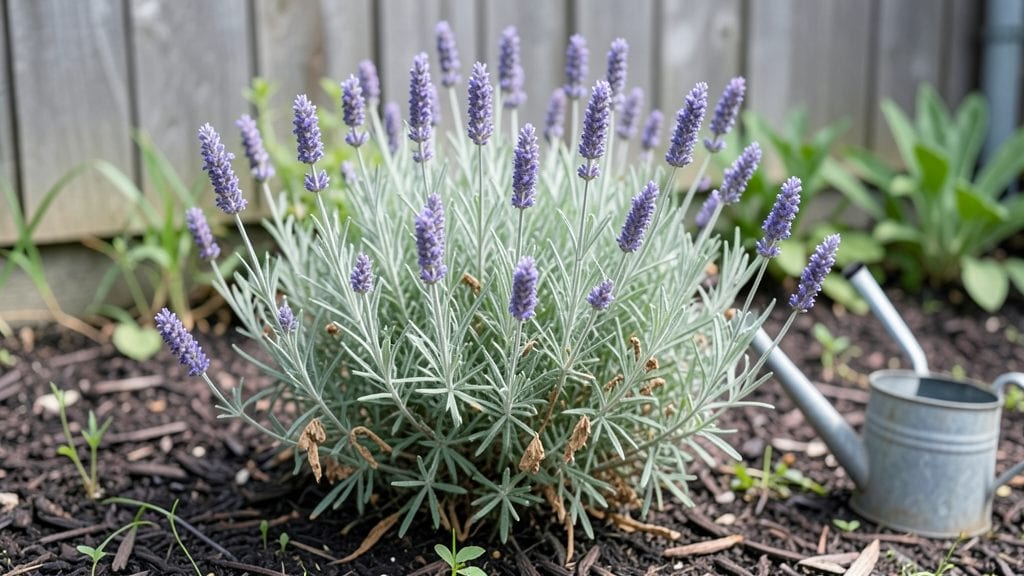
Gardening in Georgia for beginners starts with sun-loving plants that handle the heat and humidity like pros. 🌿 I’ve watched my azaleas bloom in March and my okra grow from seed to harvest in under two months—proof that Georgia’s long growing season rewards the right choices.
The key isn’t fighting the climate; it’s working with it by picking plants that already thrive here.
You’ll need well-draining soil (amend with compost if yours is heavy clay), consistent watering (deep soaks twice a week), and a little shade for afternoon breaks in peak summer. Native plants like peppers, sweet potatoes, and black-eyed Susans need almost no extra care once established.
Even my first attempt with a vegetable patch produced enough greens to feed the neighborhood.
By summer’s end, you’ll have a garden that’s not just surviving but flourishing—think glossy kale, vibrant marigolds, and tomatoes so sweet they’ll make your neighbors ask for cuttings. The best part? Georgia’s mild winters mean you can keep planting well into October, extending your harvest season effortlessly.
Whether you’re starting with a few pots or a backyard plot, local nurseries and the UGA Extension Service offer free soil tests and plant recommendations tailored to your area. Let’s turn that Georgia sun into a garden that keeps giving all year.
📚 In This Guide
- What you need
- Instructions
- Tips and common mistakes
- Wrapping up and next steps
What you need
- ● Garden Soil: 50 lbs of well-draining, nutrient-rich soil (Georgia’s clay-heavy soil? Mix in compost or peat moss to lighten it up!).
- ● Seeds/Seedlings: Sun-loving plants: tomatoes (4-6 plants), peppers (3-4 plants), okra (2-3 plants), collard greens (10-12 plants), and zucchini (2 plants).
- ● Native perennials: black-eyed Susans, butterfly weed, or Georgia native azaleas (3-5 plants).
- ● Watering Supplies: Hose with adjustable nozzle (or a 5-gallon watering can for precision).
- ○ Drip irrigation kit (optional but highly recommended for Georgia’s heat).
- ● Basic Tools: Trowel (for planting small seeds).
- ● Garden fork (for aerating soil).
- ● Pruners (bypass pruners for clean cuts).
- ● Gloves (heavy-duty for protection).
- ● Mulch: 2-3 bags of pine straw or shredded bark to retain moisture and suppress weeds.
- ● Fertilizer: Organic compost or a balanced 10-10-10 fertilizer for a nutrient boost.
- ● Support Structures: Tomato cages (2-3) or trellises for vining plants.
- ● Pest Control: Neem oil or insecticidal soap (Georgia’s humidity loves pests!).
- ● Shade Cloth: Lightweight fabric for seedlings or hot afternoons.
- ● Sunlight: A spot with at least 6-8 hours of direct sun daily (Georgia’s climate is perfect for sun-worshippers!).
- ● Water Access: A nearby spigot or hose connection.
- ● Time Commitment: 10-15 minutes daily for watering and maintenance.
- ● Patience: Some plants (like okra) grow fast, while others (like azaleas) take time—enjoy the journey!
Step-by-step guide to starting your Georgia garden
Georgia’s warm climate lets you grow vibrant plants year-round—here’s how to begin with sun-loving favorites.
🌱 Step 1: Choose the Right Location and Sun Exposure
Most Georgia gardens thrive in full sun (6+ hours daily), so pick a spot with minimal shade from trees or buildings. I always test locations in late winter by marking where shadows fall at noon—this helps you visualize where to place sun-loving plants like tomatoes, peppers, and marigolds.
If your yard has afternoon shade, focus on heat-tolerant plants like okra or sweet potatoes instead. Southern exposure works best for most vegetables, but if that’s unavailable, a west-facing spot still delivers enough light for sun-lovers. Just avoid east-facing areas if you’re growing tender crops—the morning sun can dry soil too quickly.
🪴 Step 2: Prepare the Soil for Georgia’s Climate
Georgia’s native soil is often heavy clay, so amend it with 2-3 inches of compost to improve drainage and fertility. I like to work in compost in early spring or late summer, when the soil is moist but not soggy. Use a garden fork to loosen the top 6-8 inches without disturbing the deeper layers.
For raised beds, mix equal parts native soil and compost—this creates a lighter, fluffier texture that roots love. Test your soil’s pH (aim for 6.0-7.0 for most vegetables). If it’s too acidic, add lime; if alkaline, use sulfur. Georgia’s heat speeds up decomposition, so reapply compost annually to maintain fertility.
☀️ Step 3: Select and Plant Heat-Tolerant Varieties
Georgia’s long growing season lets you plant warm-season crops like tomatoes, peppers, and squash as soon as soil warms to 60°F in early spring. I always start with heat-resistant varieties like ‘Celebrity’ tomatoes or ‘Jalapeño’ peppers—they handle Georgia’s summer heat better than standard types.
Plant seeds or transplants 12-24 inches apart, depending on the plant. Water deeply right after planting to settle the soil and encourage root growth. Mulch with 2-3 inches of straw or pine needles to retain moisture and keep roots cool during peak summer heat. Avoid plastic mulch—it traps too much heat for Georgia’s climate.
💧 Step 4: Water Deeply and Consistently
Georgia’s high temperatures mean plants need 1-1.5 inches of water weekly, either from rain or irrigation. I water in the early morning to reduce evaporation and fungal diseases. Let the top 2 inches of soil dry between waterings—this prevents root rot while keeping plants hydrated.
Use drip irrigation or soaker hoses for containers and raised beds—this delivers water directly to the roots without wetting leaves, which helps prevent fungal issues. If you’re using a sprinkler, water early or late in the day to minimize leaf burn from intense afternoon sun.
✂️ Step 5: Maintain and Harvest Through the Seasons
Prune leggy growth on tomatoes and peppers to improve airflow and fruit production. I pinch off suckers (the small shoots between the stem and branches) to direct energy into fruit rather than foliage. Harvest regularly—this encourages more production and keeps plants from getting overwhelmed.
In late summer, watch for pests like squash bugs or aphids. I treat them with neem oil or insecticidal soap for organic control. As temperatures drop in fall, transition to cooler-season crops like kale or carrots. Georgia’s mild winters let you grow greens year-round with proper planning.
Tips & tricks for perfect Georgia gardening
Georgia’s unique climate means a few smart tricks can make all the difference between a struggling garden and a thriving one. Here’s what I’ve learned after years of growing sun-loving plants in the Peach State.
Sun Exposure Secret: Use a simple DIY sun tracker to map your yard’s light patterns. In late winter, place stakes at potential planting spots and mark where shadows fall at noon for a week. This helps you visualize exactly where to place sun-lovers like tomatoes and peppers—critical since Georgia’s afternoon sun can be intense. I’ve found west-facing spots often get overlooked but work perfectly for heat-tolerant varieties.
Soil Prep Game-Changer: Don’t just add compost—work it into the top 6-8 inches using a garden fork to break up Georgia’s heavy clay without disturbing deeper layers. For raised beds, I mix equal parts native soil and compost for that perfect fluffy texture. Pro tip: Test your soil’s pH before amending—Georgia’s heat speeds up decomposition, so you might need to reapply compost more frequently than you think.
Heat-Tolerant Plant Strategy: Wait until soil reaches exactly 60°F before planting warm-season crops. I use a soil thermometer to check—planting too early can shock tender seedlings. For extra protection during Georgia’s summer heat waves, I always mulch with 2-3 inches of straw or pine needles. This keeps roots cool while preventing soil moisture loss, which is especially important during our dry spells.
Watering Wisdom: The 1-1.5 inches of water weekly guideline works, but timing matters just as much. I’ve found watering in the early morning gives plants a full day to absorb moisture before the heat kicks in. For containers, drip irrigation is a game-changer—it delivers water directly to roots without wetting leaves, which helps prevent fungal issues that thrive in Georgia’s humidity.
Pro Tips for Gardening In Georgia For Beginners
- Georgia’s unique climate means a few smart tricks can make all the difference between a struggling garden and a thriving one.
- Sun Exposure Secret: Use a simple DIY sun tracker to map your yard’s light patterns.
- Soil Prep Game-Changer: Don’t just add compost—work it into the top 6-8 inches using a garden fork to break up Georgia’s heavy clay without disturbing deeper layers.
Frequently asked questions
Got questions about diving into gardening in Georgia? You’re not alone! Here are answers to the most common queries from beginners, covering everything from timing to troubleshooting.
What’s the best time to start gardening in Georgia?
For Georgia’s warm climate, spring (March–April) and fall (September–October) are ideal—avoid summer’s scorching heat. Cool-season crops (like lettuce) thrive in spring, while heat-lovers (tomatoes, peppers) prefer fall. Pro tip: Check your USDA Hardiness Zone (7–8) for precise timing!
How often should I water my Georgia garden?
Georgia’s humidity means deep watering 1–2 times per week (more in summer). Water early morning to reduce evaporation, and aim for 1 inch per week. Use mulch to retain moisture—drip irrigation is a game-changer for efficiency!
What pests should I watch for in Georgia gardens?
Common culprits include squash bugs, aphids, and tomato hornworms. Handpick pests early, use neem oil for prevention, and encourage beneficial insects (like ladybugs). Rotate crops yearly to disrupt pest cycles naturally.
Can I garden in Georgia without a yard (e.g., balcony or container gardening)?
Georgia’s climate is perfect for container gardening. Try sun-loving plants like peppers, herbs (basil, rosemary), and dwarf tomatoes in pots with drainage. Just ensure containers get 6+ hours of sunlight and use lightweight, well-draining soil.
How do I protect my plants from Georgia’s extreme heat or cold snaps?
Use shade cloth (30–50%) for summer heatwaves, and row covers for unexpected cold snaps (<32°F). Mulch helps regulate soil temp—straw or pine needles work great. For tender plants, black plastic mulch can raise soil temps by 5–10°F!
Wrapping up and next steps
Gardening in Georgia for beginners is all about embracing the sunshine and working with the state’s unique climate—whether you’re planting sun-loving perennials, heat-tolerant veggies, or native shrubs.
With the right tools, a little patience, and a focus on low-maintenance plants, you’ll soon enjoy a thriving garden that rewards your efforts year-round. 🌿
Ready to dig in? Start small—pick one or two plants from this guide, tend to them with care, and watch your confidence (and garden!) grow. Next, explore Georgia’s native plant societies or local gardening workshops to connect with fellow green thumbs. Happy planting! 🌱