
Advice
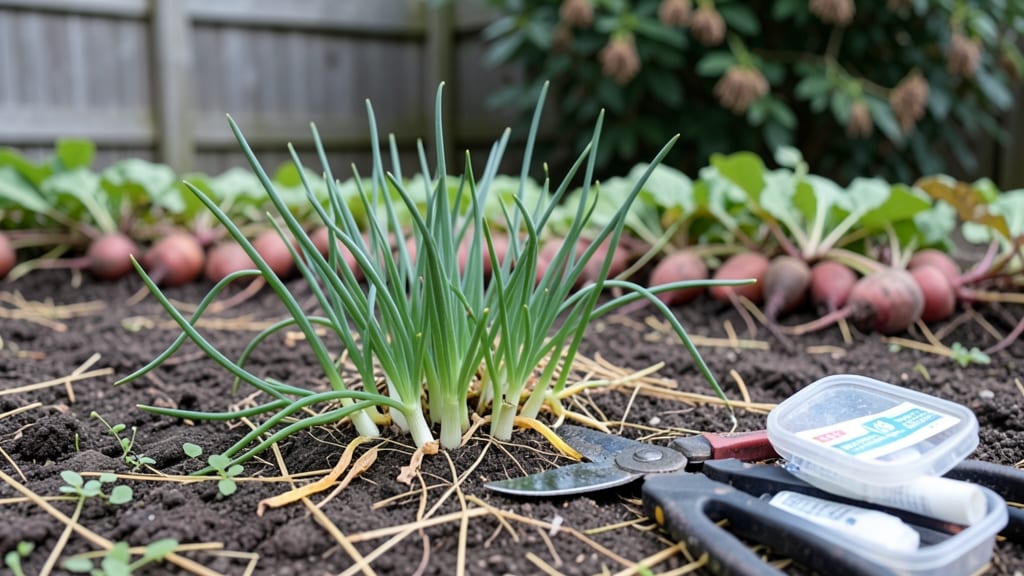
Essential gardening safety tips aren’t just about avoiding injuries—they’re about ensuring your passion doesn’t turn into an unexpected trip to the ER. I’ve twisted my back reaching for tools, gotten blisters from poor gloves, and nearly spilled pesticide on my skin more times than I’d like to admit.
The right habits and gear can turn those close calls into smooth, injury-free seasons.
Start with the basics: ergonomic tools that fit your grip, sturdy gloves for heavy lifting, and closed-toe shoes to protect your feet from dropped rocks or sharp edges. Sun protection is non-negotiable—wide-brimmed hats, UV-blocking sunglasses, and lightweight, long-sleeved clothing save you from burns and dehydration.
Even organic gardeners need to handle sharp tools and heavy pots safely.
Chemicals deserve extra caution. Always read labels, wear nitrile gloves when handling pesticides or fertilizers, and store them out of reach of kids and pets. A little prevention goes a long way—think ventilation when mixing sprays and proper disposal of empty containers. Your lungs (and your plants) will thank you.
Seasonal hazards change the game: frostbite in winter, heatstroke in summer, and slippery soil after rain. Adjust your routine—take breaks, hydrate, and avoid peak sun hours. Safety isn’t about fear; it’s about confidence so you can focus on what matters: growing your best garden yet.
Hidden Hazards in Your Garden
Gardening might seem like a peaceful, nature-filled pastime, but beneath the soil and beyond the blooms lie several unseen risks that can turn a relaxing afternoon into an injury—or worse.
Understanding why these dangers exist is the first step to avoiding them. Let’s break down the science and mechanics behind common gardening hazards.
Most gardeners rely on hand tools like pruners, shears, and trowels, but these same tools can become weapons when used improperly.
The sharp edges of blades are designed to cut cleanly, but when force is misapplied, the tool can slip, leading to: - Lacerations or puncture wounds (especially in fingers and hands). - Tendon or ligament strain from awkward gripping or overreaching.
Why it happens:
- Blunt or dull blades require more pressure to cut, increasing the risk of slippage. A dull blade can also cause unpredictable resistance, making it harder to control.
- Poor grip—sweaty hands or improper tool sizing (e.g., using a trowel too small for your palm) reduces precision.
- Fatigue-induced mistakes—long gardening sessions lead to muscle weakness, making it easier to misalign a tool or lose control.
Actionable fix: Sharpen tools regularly, use ergonomic grips, and take breaks to avoid hand fatigue.
Not all garden threats are physical—some are microscopic.
Fungi, bacteria, and parasites lurk in soil, water, and even on plants, posing risks like: - Fungal infections (e.g., Coccidioides in dry soil, which can cause Valley Fever). - Bacterial exposure (e.g., Erysipelothrix rhusiopathiae from contaminated soil, leading to skin or joint infections). - Parasitic worms (e.g., hookworm larvae in warm, moist soil that can burrow through skin).
Why it happens:
- Soil composition—rich, organic soil is a breeding ground for microbes. Disturbing it (e.g., digging, composting) releases spores or pathogens into the air.
- Improper hygiene—not washing hands or tools after handling contaminated soil leaves pathogens on skin or tools, increasing exposure risk.
- Climate factors—warm, humid conditions accelerate microbial growth, while dry, dusty soil can aerosolize fungal spores when tilled.
Actionable fix: Wear gloves and a mask when working with soil, especially in hot or dusty conditions. Rinse hands and tools with soapy water after gardening.
Gardening under intense sun, heatwaves, or sudden storms can lead to:
- Heat exhaustion or stroke (from prolonged sun exposure without hydration).
- Slips and falls (from wet or icy ground during rain/snow).
- Electrocution risks (if using tools near overhead power lines during storms).
Why it happens:
- Physiological strain—the body loses 1–1.5 liters of water per hour through sweat in hot conditions, leading to dehydration and electrolyte imbalances.
- Reduced grip strength—heat causes muscles to fatigue faster, making it harder to hold tools securely.
- Unexpected weather shifts—sudden rain can turn soil into mud, while wind can blow tools or debris into your path.
Actionable fix: Garden during early morning or late afternoon, wear a wide-brimmed hat and UV-protective clothing, and keep electrolyte-rich drinks handy.
Snakes, bees, ticks, and even aggressive pets can turn a tranquil garden into a dangerous zone. Bites, stings, and allergic reactions are common risks.
Why it happens:
- Habitat overlap—gardens provide shelter and food for wildlife. Piles of wood, dense foliage, or standing water attract snakes, rodents, and insects.
- Seasonal activity peaks—spring and summer see higher venomous snake sightings (as they hunt for prey) and tick populations (which thrive in tall grass).
- Unpredictable behavior—bees may sting if they feel threatened, and some animals (like raccoons) become aggressive when cornered.
Actionable fix: Wear closed-toe shoes and long pants, avoid reaching into dense brush, and inspect tools and gloves before use.
Ladders, wheelbarrows, and even uneven garden beds contribute to falls and injuries. The Center for Disease Control (CDC) reports that fall-related injuries are among the top gardening accidents.
Why it happens:
- Improper ladder use—placing ladders on soft or slippery ground (like mulch or wet grass) reduces stability.
- Overloading tools—packing a wheelbarrow too full shifts its center of gravity, making it harder to control.
- Hidden obstacles—roots, rocks, or uneven terrain can cause trips or sprains.
Actionable fix: Use non-slip ladder stabilizers, distribute weight evenly in wheelbarrows, and clear walking paths of debris.
Fertilizers, pesticides, and even natural remedies (like vinegar or essential oils) can cause chemical burns, respiratory issues, or poisoning if mishandled.
Why it happens:
- Concentration errors—using undiluted chemicals (e.g., bleach-based cleaners) on skin or tools leads to corrosive burns.
- Poor ventilation—inhaling fume from herbicides or compost piles can irritate lungs or trigger asthma.
- Misidentification—confusing edible plants with toxic look-alikes (e.g., foxglove vs. comfrey) risks ingestion.
Actionable fix: Always read labels, wear gloves and a mask, and store chemicals securely away from children and pets.
Final Thought: Most gardening injuries aren’t random—they stem from preventable oversights. By recognizing these hidden hazards and their root causes, you can transform your garden into a safer, more enjoyable space. 🌱🛡️
Quick Fixes for Common Garden Hazards
Gardening is rewarding, but even the greenest thumbs can face unexpected snags—like blisters from tools, stings from bees, or aches from bending over for hours. The good news? Most issues have simple, practical solutions.
Below, we’ve mapped out cause-to-fix strategies so you can keep gardening without the ouch. Plus, we’ll share prevention tips to avoid future mishaps.
Cause: Gripping tools too tightly, using ill-fitting gloves, or sweaty hands rubbing against handles. Fix:
- Switch to ergonomic grips 🔧: Wrap tool handles with grip tape (like tennis grip tape) or foam tubing for a cushioned hold. Brands like Fiskars and Corona offer ergonomic designs with built-in padding.
- Try anti-blister balm 🧴: Apply 2Toms Blister Block or Leukotape before long sessions. For existing blisters, don’t pop them—cover with a non-stick bandage (like Tegaderm) and keep pressure off.
- Moisturize hands 💧: Slather on coconut oil or gardening-specific hand cream (like O’Keeffe’s Working Hands) before and after work.
Prevention:
- Rotate tools ⏰: Switch between different tools to vary hand pressure.
- Go glove-less (if possible): Some gardeners find thin, breathable gloves (like Under Armour Garden Gloves) reduce sweat buppers.
Cause: Disturbing hives, wearing bright colors, or using strong fragrances near flowers. Fix:
- Remove the stinger ASAP 🪰: Scrape it out with a credit card or fingernail (don’t squeeze—venom spreads!). Wash the area with soap and water.
- Cool the sting ❄️: Apply an ice pack wrapped in a cloth for 10 minutes to reduce swelling. For itching, try calamine lotion or a hydrocortisone cream (1%).
- Watch for reactions 🚨: If swelling spreads beyond the sting site, you’re on your face, or you have trouble breathing, seek emergency care (signs of anaphylaxis).
Prevention:
- Dress smart 👕: Wear light-colored, long-sleeved clothing and closed-toe shoes. Skip perfumes or lotions with strong scents.
- Avoid peak hours ⏰: Bees are most active early morning and late afternoon. Work during overcast days when they’re less aggressive.
- Plant bee-friendly zones away 🌼: If bees are a recurring issue, keep them 10+ feet from your workspace and opt for bee-repellent plants like basil, mint, or lavender near your seating area.
Cause: Poor posture, lifting heavy pots incorrectly, or staying in one position too long. Fix:
- Use the "garden kneeler" 🪑: Invest in a foldable kneeler (like the Gorilla Grip) or a cushioned pad to reduce knee strain. For back support, try a lumbar roll tucked into your waistband.
- Lift with your legs 💪: When moving pots or bags of soil, bend at the knees, keep your back straight, and lift close to your body. If it’s too heavy, drag it instead of carrying.
- Take micro-breaks ⏳: Every 20–30 minutes, stand up, stretch your arms overhead, and rotate your shoulders. Do 5 squats to loosen up.
Prevention:
- Raise your beds 🌱: Raised garden beds eliminate deep bending. Even a 6-inch height increase makes a difference.
- Wear supportive shoes 👟: Sturdy, flat-soled shoes (like Dr. Scholl’s Garden Clogs) provide ankle support. Avoid flip-flops or worn-out sneakers.
- Strengthen your core 🏋️: A stronger core reduces back strain. Try planks (30 seconds daily) or yoga for flexibility.
Cause: Forgetting sunscreen, working during peak sun (10 AM–4 PM), or dehydration. Fix:
- Cool down fast ❄️: If you feel dizzy or nauseous, move to shade immediately, sip electrolyte drinks (like Pedialyte or coconut water), and dampen a bandana with cold water to wipe your neck.
- Treat sunburn 🧴: Apply aloe vera gel (store-bought or fresh) and avoid peeling skin. For pain, take ibuprofen (200–400mg) and stay hydrated.
- Blister care 🩹: If sunburn blisters form, don’t pop them. Cover with a loose, sterile bandage and see a doctor if infection (pus, red streaks) appears.
Prevention:
- Wear a wide-brim hat 🎩: A 3-inch brim blocks 50% more UV than a cap. Pair with UPF 50+ clothing (brands like Coolibar make lightweight options).
- Hydrate like a pro 💦: Drink 16 oz of water every hour, even if you’re not thirsty. Add electrolytes (like LMNT or Nuun) to prevent cramps.
- Work in shifts ⏰: Take 15-minute breaks every hour in the shade. Morning (before 10 AM) or evening (after 4 PM) are safest.
Cause: Rushing, dull blades, or ignoring sharp edges. Fix: - Clean and disinfect wounds 🧼: Wash with soap and water, then apply antibiotic ointment (like Neosporin).
Cover with a sterile bandage. - Stop the bleed ⚕️: Press a clean cloth (or paper towel) firmly for 5–10 minutes. For deep cuts, elevate the limb and seek medical help if bleeding doesn’t stop. - Sharpen tools ASAP ✂️: Dull tools cause slippage.
Use a file or sharpening stone for pruners and replace rusty blades immediately.
Prevention:
- Sheathe tools when not in use 🔓: Always close pruner blades and store tools in a locked case if you have kids/pets.
- Use tool guards 🛡️: Pruner guards (like Felco’s safety caps) prevent accidental pokes.
- Wear cut-resistant gloves ⚔️: Heavy-duty gardening gloves (with kevlars or steel mesh) protect against thorns and sharp edges.
- Keep a first-aid kit handy 🧰: Stock it with bandages, antiseptic wipes, tweezers (for splinters/stingers), and pain relievers.
- Label hazardous plants 🌿: Mark toxic plants (like oleander or foxglove) with bright flags to avoid accidental exposure.
- Rotate tasks ⏳: Switch between digging, planting, and weeding to avoid overusing the same muscles.
By tackling these fixes proactively, you’ll turn potential garden disasters into minor setbacks. Now, grab your tools—and your sunscreen—and get back to growing! 🌱✨
Frequently asked questions
What are the most essential protective gear items for gardeners?
Start with gloves (nitrile for chemicals, breathable for general use), closed-toe shoes (like clogs with arch support), and UV-blocking sunglasses. Add a wide-brimmed hat and lightweight long sleeves for sun protection, plus a dust mask when handling soil or compost.
How do I safely handle pesticides and fertilizers?
Always read the label first, then wear nitrile gloves and a mask when mixing or applying. Store chemicals in original containers with secure lids, keep them locked away from kids/pets, and never mix different products (chemical reactions can be dangerous).
What’s the best way to prevent back injuries while gardening?
Use ergonomic tools with lightweight handles, lift with your legs (not your back), and avoid twisting motions while carrying loads. Take 5-minute breaks every 30 minutes to stretch, and consider raised beds to reduce bending.
Are there any plants I should avoid touching without gloves?
Yes! Poison ivy, poison oak, and stinging nettles cause skin reactions. Also avoid foxglove, oleander, or castor beans—their sap can be toxic if ingested or absorbed. When in doubt, wear gloves and wash your hands thoroughly afterward.
How can I childproof my gardening tools and space?
Store sharp tools in locked cases, use blunt-tip shears for kids’ tasks, and supervise children closely near water sources (like birdbaths) or dense foliage (where snakes may hide). Teach them to always ask before touching plants or tools.