
Tools
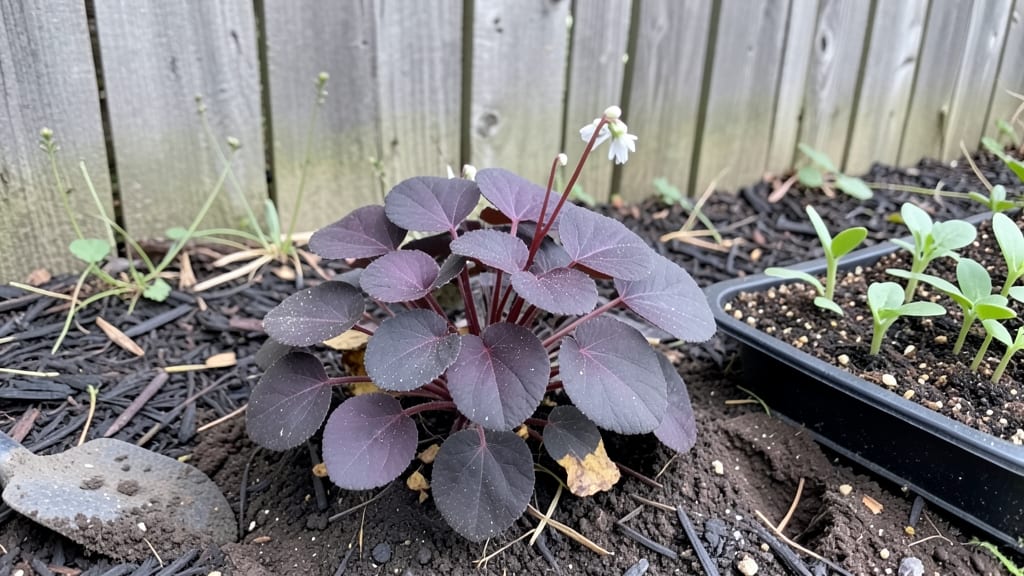
Gardening trends for 2025 are all about reclaiming every inch of space—especially in urban yards where room is tight. 🌿 I’ve seen how vertical gardens transform cramped patios into lush, productive green walls, and this year, the movement is getting smarter with modular systems and drought-resistant plants.
The best part? You don’t need a green thumb or deep pockets to start.
Think beyond trellises: we’re talking stackable planters that mount to walls, fold-out garden towers for herbs, and living room dividers made of vines. Even balconies become mini food forests when you use self-watering pockets and climbing edibles like pole beans or jasmine.
The trend isn’t just aesthetic—it’s about year-round growing in spaces that were once dead zones.
By next summer, your vertical garden could be the envy of the neighborhood—fragrant roses climbing trellises, cherry tomatoes spilling over shelves, or a privacy screen of fast-growing bamboo. The key is starting small: one wall, one section, one season at a time.
I’ll show you how to pick plants that thrive upward and avoid the common pitfalls that turn green dreams into brown disappointment.
Whether you’re in a downtown apartment or a suburban backyard, these trends adapt to your space. The future of gardening isn’t about more land—it’s about working with what you’ve got, and making it grow. Let’s get those walls green!
📚 In This Guide
- What you need
- Instructions
- Tips and common mistakes
- Wrapping up and next steps
What you need
- ● Vertical Planters: 3–5 modular pockets or wall-mounted planters (12"–18" deep, breathable fabric or plastic).
- ● Potting Mix: 10–15 gallons of lightweight, well-draining soil blend (e.g., coco coir + perlite + compost).
- ● Drip Irrigation System: 20–30 ft of tubing + emitters (adjustable flow for vertical setups).
- ● Mounting Hardware: Heavy-duty brackets, L-brackets, or tension rods (for walls/fences, rated for 50+ lbs).
- ● Fertilizer: Slow-release granules (e.g., 10-10-10) or liquid hydroponic nutrients for frequent feeders.
- ● Pruners & Gloves: Bypass pruners (for clean cuts) + ergonomic gardening gloves.
- ● Smart Sensors: Soil moisture monitors (e.g., Bluetooth-enabled probes) for automated watering alerts.
- ● LED Grow Lights: Full-spectrum panels (10W–20W) for low-light spaces or winter extensions.
- ● Edible Landscaping Kits: Pre-planned vertical herb/veggie combos (e.g., basil + cherry tomatoes + strawberries).
- ● Recycled Materials: Pallet wood frames or upcycled plastic bottles for DIY planters.
How to implement 2025's vertical gardening trends in compact spaces
This year’s top trends—modular systems, aeroponics, and edible walls—transform even the smallest yards into lush, high-yield gardens.
🌿 Step 1: Assess Your Vertical Potential
Start by evaluating your space’s structural limits. Measure walls, fences, and balconies for weight-bearing capacity—most vertical gardens require 10-15 pounds per square foot. I always check for existing anchors like hooks, brackets, or trellis hardware before committing to heavy systems. Look for south-facing walls (or east/west if in cooler climates) for maximum sunlight exposure, which is critical for leafy greens and herbs.
Sketch a rough layout on graph paper, noting where pipes, windows, or electrical boxes might interfere. The key is balancing aesthetic appeal with functional access—you’ll need room to prune, harvest, and rotate plants for even growth. If your space has limited sunlight, prioritize shade-tolerant varieties like Swiss chard or lettuce over sun-hungry tomatoes.
🪴 Step 2: Choose the Right Vertical System
2025’s trends favor modular pocket planters and aeroponic towers for their space efficiency and water conservation. For beginners, I recommend fabric grow bags (like those from Klip-It planters)—they’re lightweight, affordable, and let roots breathe while preventing soil compaction. These systems use 2-3 gallons of potting mix per square foot, so calculate your wall area first.
For high-tech gardens, aeroponic vertical towers (like the AeroGarden Harvest) use 90% less water than traditional methods. These require a small submersible pump and nutrient solution, but they’re ideal for microgreens and herbs. If you’re working with wood or metal frames, geotextile fabric (like GrowGuard) creates a breathable, reusable growing surface that’s easy to clean and reuse.
☀️ Step 3: Optimize Light and Water Delivery
Vertical gardens demand consistent moisture—drip irrigation or self-watering reservoirs are non-negotiable. I install 1/4-inch tubing along the back of planters with emitters spaced 12-18 inches apart to ensure even distribution. For walls without plumbing, smart watering globes (like the Blum Garden Globes) hold 1-2 gallons and release water gradually, reducing evaporation.
Light is the next hurdle. If your space gets less than 4 hours of direct sun, supplement with full-spectrum LED grow lights (like the Samsung LM301B). Position them 6-12 inches above the top row of plants and set timers for 14-16 hours of light daily. Watch for yellowing leaves—a classic sign of insufficient light—and adjust the height or duration as needed.
✂️ Step 4: Plant Strategically for Year-Round Growth
Layer plants by maturity and sunlight needs, with fast growers (like basil or radishes) at the top and deep-rooted varieties (like carrots or beets) at the bottom. I stagger planting dates by 2-3 weeks to ensure a continuous harvest. For example, in a 4-foot-tall tower, I’ll plant lettuce at the top (harvest in 30 days), bush beans in the middle (harvest in 50 days), and carrots at the base (harvest in 70 days).
Prune regularly to encourage bushier growth—pinch back new growth tips on herbs like mint and oregano to prevent legginess. Use support cages for taller plants (like peas or pole beans) to keep them contained. In cooler months, swap out warm-season crops for kale, spinach, or microgreens, which thrive in 50-60°F temperatures and shorter daylight.
💧 Step 5: Maintain and Troubleshoot Seasonally
Check for pests like aphids or spider mites weekly—vertical gardens attract them due to dense foliage. I spray plants with neem oil (mixed at 1 tbsp per gallon of water) at the first sign of infestation. For fungal issues (like powdery mildew), improve airflow by spacing plants slightly wider or trimming crowded growth.
Adjust watering as temperatures shift—in summer, you may need to water daily, while winter slows evaporation, requiring checks every 3-4 days. Monitor nutrient levels by observing leaf color: dark green means healthy, yellowing signals nitrogen deficiency, and purple stems indicate phosphorus needs. Top-dress with compost or slow-release fertilizer every 4-6 weeks to replenish nutrients.
Tips & tricks for perfect vertical gardening in compact spaces
Transforming limited spaces into thriving gardens requires precision and planning—here are the game-changing insights I've learned from years of vertical gardening.
Structural Stability: When assessing weight-bearing capacity in Step 1, don't rely solely on manufacturer claims. I've seen many systems fail because they were installed on drywall or thin plaster. For walls with unknown structural integrity, use heavy-duty L-brackets rated for at least 20 pounds per anchor point—this gives you a safety margin beyond the 10-15 pounds per square foot recommendation. For balconies, distribute weight evenly across multiple support points rather than concentrating it in one area.
System Selection Strategy: In Step 2, if you're torn between fabric grow bags and aeroponic towers, consider your maintenance tolerance. Fabric systems require 2-3 gallons of potting mix per square foot and need regular watering, while aeroponic towers use 90% less water but demand consistent nutrient monitoring. I recommend starting with a hybrid approach: use fabric bags for leafy greens (like Swiss chard) where you can tolerate more hands-on care, and reserve aeroponics for high-value crops like microgreens where water efficiency is critical.
Light Optimization: The 14-16 hours of daily light mentioned in Step 3 is non-negotiable for indoor vertical gardens. If you're using LED grow lights, position them 6-12 inches above the top row and use a timer to automate the cycle—this prevents light burn while ensuring consistent growth. For outdoor setups, I've found that reflective surfaces (like white-painted walls or aluminum foil) can increase light exposure by up to 30%, effectively extending the "sunlight hours" your plants receive without additional equipment.
Seasonal Transition Tips: When swapping crops in Step 4 for cooler months, don't overlook the 50-60°F temperature range for cold-hardy varieties. I've had success with kale and spinach planted in geotextile fabric pockets during winter—the fabric's breathability prevents soil freezing while still allowing root growth. For herbs like oregano, bring potted plants indoors near a south-facing window where they'll receive the 4+ hours of indirect light they need to survive the season.
Pro Tips for Gardening Trends 2025
- Transforming limited spaces into thriving gardens requires precision and planning—here are the game-changing insights I've learned from years of vertical gardening.
- Structural Stability: When assessing weight-bearing capacity in Step 1, don't rely solely on manufacturer claims.
- System Selection Strategy: In Step 2, if you're torn between fabric grow bags and aeroponic towers, consider your maintenance tolerance.
Frequently asked questions
Got questions about maximizing vertical space in your garden? You’re not alone!
Here are some of the most common queries about 2025’s vertical gardening trends—plus quick, actionable answers to help you grow smarter, not harder.
What are the easiest plants to grow vertically in small spaces?
Start with fast-growing, compact, and low-maintenance plants like cherry tomatoes, strawberries, herbs (basil, thyme, mint), and leafy greens (lettuce, spinach). Vining plants like cucumbers or beans thrive on trellises, while succulents and air plants add texture to vertical planters with minimal care. Pro tip: Choose varieties labeled “dwarf” or “bush” for guaranteed space efficiency!
When is the best time to start a vertical garden in 2025?
Timing depends on your climate, but early spring (after the last frost) is ideal for outdoor vertical gardens. For indoor or greenhouse setups, you can start year-round with grow lights. If you’re using hydroponics or aeroponics, seed trays can go in 4–6 weeks before transplanting. Check your local frost dates—2025’s extended growing seasons in many regions mean you might even squeeze in a fall harvest!
Are vertical gardens more expensive than traditional gardening?
Not necessarily! While high-end hydroponic systems or custom trellises can cost more upfront, DIY vertical gardens are budget-friendly. Repurpose pallets, hanging shoe organizers, or PVC pipes into planters for under $20. Seeds are cheaper than seedlings, and vertical setups save water and soil, reducing long-term costs. Start small: A single wall-mounted planter or a repurposed ladder can be your first low-cost experiment!
What tools do I really need for vertical gardening?
Keep it simple! Essential tools include:
- Pruners or scissors (for trimming vines and deadheading)
- Measuring tape (to plan spacing and support structures)
- Drill/driver (for mounting shelves, trellises, or planters)
- Garden twine or zip ties (to secure plants to supports)
- pH test kit (critical for hydroponics or soil-less setups)
How do I keep pests away from my vertical garden?
Pests love vertical gardens too—but you can outsmart them! Preventative tips:
- Use neem oil or insecticidal soap (safe for edibles).
- Install fine mesh netting around trellises to block flies and beetles.
- Encourage beneficial insects like ladybugs or lacewings.
- Rotate crops annually to disrupt pest life cycles.
Wrapping up and next steps
The future of gardening in 2025 is all about maximizing space without sacrificing style or sustainability—vertical gardens are leading the charge! From sleek modular systems to eco-friendly materials, this trend isn’t just practical; it’s a creative playground for urban and suburban green thumbs alike.
Whether you’re a beginner or a seasoned pro, there’s never been a better time to grow upward.
Ready to transform your compact yard? Start small—try a wall-mounted planter or a DIY trellis—then let your green vision grow! 🌱✨ Your vertical garden adventure begins with a single seed (or a single shelf!)