
Planting
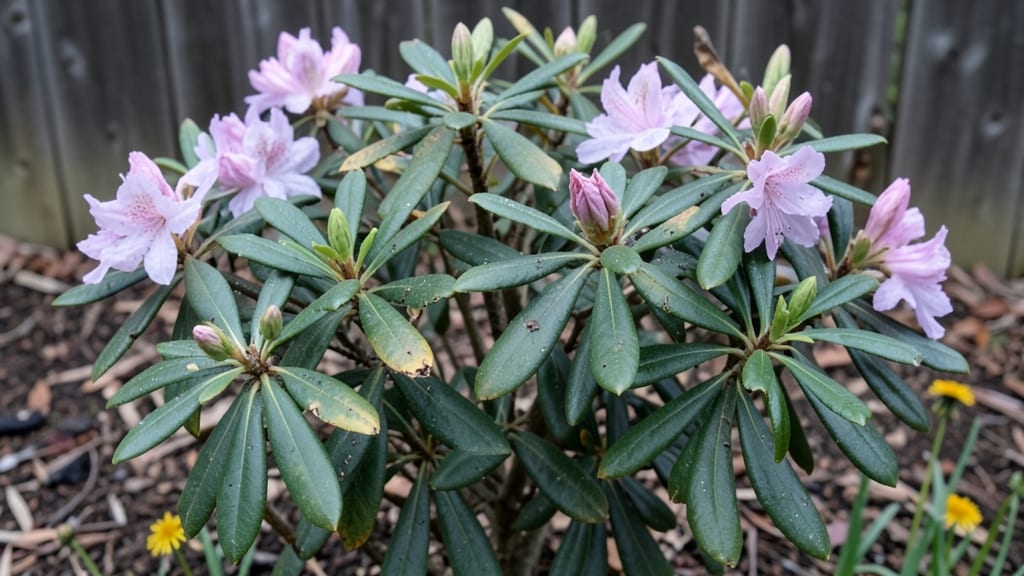
Gardening in Washington State means embracing the drama of four distinct seasons—from soggy winters to bone-dry summers—while working with soil that can feel like either a swamp or a desert depending on the month. 🌿 I’ve learned that the key isn’t fighting the climate but partnering with it: planting shade-loving perennials in the hotter inland areas, choosing evergreens that handle the damp Pacific Northwest winters, and timing your veggies so they mature before July’s heat dries them out.
The right plants make all the difference here. Zones 7-9 across the state mean you can grow everything from blueberries in the mountains to citrus in the Puget Sound lowlands—but only if you pick varieties bred for local conditions.
My go-to list includes marionberries for summer jam, ‘Adams’ raspberries for fall harvests, and drought-tolerant lavender that thrives in the dry east side. Even the soil plays by its own rules: western WA’s rich, acidic earth contrasts sharply with the sandy, alkaline soils east of the Cascades.
What you’ll get right is a garden that works with the weather instead of against it—think lush greens in spring, reliable harvests in summer, and winter interest from ornamental grasses and evergreens.
The payoff isn’t just beautiful; it’s practical: less watering, fewer failed crops, and a yard that stays vibrant year-round. Here’s how to make it happen without the guesswork.
Whether you’re in Seattle’s rainy shadow or the sunbaked Columbia Basin, these strategies adapt to your microclimate. The Washington State University Extension office is your secret weapon for local insights—plus, they’ll point you to nurseries stocked with plants that actually want to grow where you live.
Let’s get your garden thriving on its own terms.
📚 In This Guide
- What you need
- Instructions
- Tips and common mistakes
- Wrapping up and next steps
What you need
- ● Soil & Amendments: High-quality garden soil (50 lbs bag, e.g., Black Gold or Miracle-Gro)
- ● Compost (20-30 lbs, local compost or homemade)
- ● Organic matter like peat moss or coco coir (10-15 lbs)
- ● Seeds & Plants: Native WA seeds (e.g., Pacific Coast iris, Sword fern, Oregon grape)
- ● Cold-hardy veggies (e.g., kale, carrots, spinach) for cooler months
- ● Heat-tolerant plants (e.g., tomatoes, peppers, zucchini) for summer
- ● Tools: Garden trowel (stainless steel, ergonomic)
- ● Pruners (bypass pruners for clean cuts)
- ● Garden fork (heavy-duty, 18-inch)
- ● Wheelbarrow (2-3 cubic feet capacity)
- ● Garden hose with adjustable nozzle (or drip irrigation kit)
- ● Mulch (cedar or straw, 1-2 bags) to retain moisture and suppress weeds
- ● Potting mix (lightweight, e.g., Pro-Mix) for containers
- ● Soil pH tester (to adjust acidity/alkalinity for WA’s acidic soils)
- ● Rain gauge (to monitor WA’s variable rainfall)
- ● Garden gloves (nitrile-coated for durability)
- ● Trellis or stakes (for climbing plants like pole beans or cucumbers)
Instructions for year-round gardening success in Washington State
Washington’s diverse microclimates—from Puget Sound’s maritime dampness to the drier inland valleys—demand a flexible approach. Here’s how to align your garden with the state’s seasonal rhythms for consistent harvests.
⏰ Step 1: Plan Around Washington’s Distinct Planting Windows
Washington’s growing season varies by region: Zone 7-8 in western areas allows spring planting by early March, while inland Zone 5-6 waits until mid-April. I always check the Washington State University Extension frost date maps to pinpoint my last frost date—typically May 15 for western WA and June 1 for eastern WA.
For year-round production, stagger plantings: sow cool-season crops like kale and peas in early spring, then again in late summer for fall harvests. Warm-season crops like tomatoes and peppers go in after the last frost, but in milder coastal areas, you can start them indoors by March 1 for an earlier jumpstart.
🌱 Step 2: Adapt Soil and Mulch for Washington’s Unique Conditions
Washington’s soils—whether heavy clay in the east or sandy loam in the west—benefit from 2-3 inches of organic mulch year-round. I use composted wood chips in the fall to insulate roots during winter and straw mulch in summer to retain moisture in our often dry inland summers. Test your soil’s pH: most WA gardens thrive at 6.0-7.0, but blueberries need 4.5-5.5.
In coastal areas, where winter rains can leach nutrients, I top-dress with compost tea in early spring. For eastern WA’s drier summers, I mix 1-2 inches of compost into the top 6 inches of soil before planting. The key is feeding the soil, not just the plants—WA’s native mycorrhizal fungi thrive with this approach.
☀️ Step 3: Manage Water Wisely Across Microclimates
Western WA’s 30-40 inches of annual rainfall might seem ample, but summer droughts hit hard—especially in Zone 6 and east. I install drip irrigation for new plantings to deliver 1-1.5 inches of water weekly during dry spells. In the east, where evaporation rates climb, I water early morning or late evening to minimize loss.
For coastal gardens, focus on well-draining soil to prevent root rot from winter’s heavy rains. I plant rhubarb and strawberries in raised beds to keep them from sitting in soggy soil. In drier areas, group plants with similar water needs—like lavender and rosemary—to simplify irrigation.
🪴 Step 4: Extend the Season with Local Structures
Washington’s short, cool summers and mild winters make seasonal extensions essential. I use hoop houses or cold frames to start seedlings 4-6 weeks before the last frost or to overwinter hardy greens like spinach and arugula. For high-value crops, I add row covers in early spring to raise soil temperatures by 5-10°F.
In coastal areas, where winter chill is less severe, I leave strawberry plants in the ground year-round, protecting them with thick mulch during occasional freezes. Inland, I move tender perennials like geraniums into containers and store them in a cool garage until spring.
✂️ Step 5: Prune and Protect for WA’s Pest and Disease Patterns
Washington’s humid summers and mild winters create ideal conditions for fungal diseases like powdery mildew and black spot. I prune roses and fruit trees in late winter to improve airflow, then apply copper fungicide preventatively in early spring. For organic gardens, I spray neem oil at the first sign of aphids or spider mites—common in WA’s dry summers.
In coastal areas, slugs and snails thrive in the damp climate. I set out beer traps and handpick them at dusk. For eastern WA, deer and rabbits are the biggest threats—I use chicken wire cages around new plantings until they’re established.
Tips & tricks for year-round washington gardening success
Washington's gardening challenges are as diverse as its landscapes—here's how to turn those regional quirks into your garden's greatest advantage.
Microclimate Mastery: The 4-6 week window before your last frost (May 15 for western WA, June 1 for eastern WA) is your golden opportunity for early planting. I always start warm-season crops like tomatoes indoors by March 1 in milder coastal areas to give them that critical head start. For inland gardeners in Zone 5-6, wait until mid-April when soil temperatures consistently reach 50°F—cold soil stunts seedling growth.
Soil Science That Works: That 2-3 inches of organic mulch isn't just decoration—it's your garden's insulation system. In eastern WA's dry summers, straw mulch creates a moisture-retaining blanket that can reduce watering needs by 30%. For coastal gardens where winter rains leach nutrients, I swear by compost tea in early spring—it's like giving your soil a vitamin shot. The key is testing your soil's pH first: most WA plants thrive at 6.0-7.0, but blueberries demand that acidic range of 4.5-5.5.
Water Wisdom for WA's Extremes: Those 1-1.5 inches of weekly water during dry spells? Timing matters just as much as quantity. I've learned the hard way that watering in the heat of midday wastes 40% of that precious moisture to evaporation. Early morning or late evening watering preserves every drop while preventing fungal diseases that thrive in damp foliage. For coastal gardens battling winter rains, raised beds with well-draining soil are non-negotiable—they're the difference between thriving strawberries and root rot.
Season Extension Secrets: That 5-10°F temperature boost from row covers in early spring isn't just helpful—it's transformative. I've extended my growing season by nearly two months using simple hoop houses. In coastal areas where winters are milder, leaving strawberries in the ground with thick mulch protection lets me harvest fresh berries from late fall through early spring. The trick is monitoring those occasional freezes—having a frost cloth ready can save your entire crop.
Pro Tips for Gardening Washington State
- Washington's gardening challenges are as diverse as its landscapes—here's how to turn those regional quirks into your garden's greatest advantage.
- Microclimate Mastery: The 4-6 week window before your last frost (May 15 for western WA, June 1 for eastern WA) is your golden opportunity for early planting.
- Soil Science That Works: That 2-3 inches of organic mulch isn't just decoration—it's your garden's insulation system.
Frequently asked questions
Got questions about gardening in Washington State? You’re not alone!
From seasonal timing to troubleshooting common issues, here are answers to some of the most frequently asked questions to help you grow with confidence.
When is the best time to start planting in Washington State?
Washington’s climate varies by region, but spring (March–May) is ideal for most plants. In cooler zones (like Eastern WA), wait until after the last frost (usually late April–June). For fall crops, late summer (August–September) works best. Always check your USDA Plant Hardiness Zone (WA ranges from 4–9) for precision!
How do I deal with Washington’s unpredictable rain?
Excess moisture can lead to fungal diseases or soggy soil. Improve drainage with raised beds or container gardening, and use mulch (straw or wood chips) to regulate soil temperature. Avoid overhead watering, and opt for drip irrigation to keep foliage dry.
What are the most common pests in WA gardens, and how do I stop them?
Washington’s gardens often battle slugs, aphids, and vine weevils. For slugs, use beer traps or diatomaceous earth. Aphids? Blast them off with water or introduce ladybugs. Vine weevils? Rotate crops and use neem oil. Always inspect plants regularly—early action prevents outbreaks!
Can I garden successfully in Washington’s cooler climates (e.g., Spokane or Wenatchee)?
Focus on cold-hardy crops like kale, cabbage, peas, and potatoes. Extend your season with row covers or cold frames. Dwarf fruit trees (e.g., apple or cherry) also thrive. Perennials like rhubarb and asparagus are low-maintenance winners for WA’s chillier zones.
What are some low-maintenance plants for busy WA gardeners?
If you’re short on time, try drought-tolerant natives like sword ferns, salal, or Oregon grape. For veggies, lettuce, radishes, and green beans grow quickly with minimal fuss. Succulents and lavender also flourish with little water—perfect for WA’s dry summers!
Why are my plants wilting even though I’m watering them?
Wilting can signal overwatering, underwatering, or root issues. Check soil moisture 1–2 inches down—it should be damp but not soggy. If roots look mushy, you’ve overwatered; if dry, increase frequency. Heat stress (common in WA summers) can also cause wilting. Provide shade or mulch to retain moisture.
Wrapping up and next steps
Gardening in Washington State is a rewarding journey, whether you're a seasoned green thumb or just starting out. 🌱 From selecting the right native plants to mastering seasonal techniques, the Evergreen State offers endless opportunities for year-round growth.
With the right tools, knowledge, and a dash of patience, you’ll soon be harvesting fresh produce, enjoying vibrant blooms, and connecting with nature—all while supporting local ecosystems.
Ready to dive in? Start small—pick one plant or tip from this guide and take action this weekend! Whether it’s prepping your soil, planting a drought-resistant garden, or troubleshooting pests, every step forward is a victory. Happy gardening! 🌿✨