
Flowers
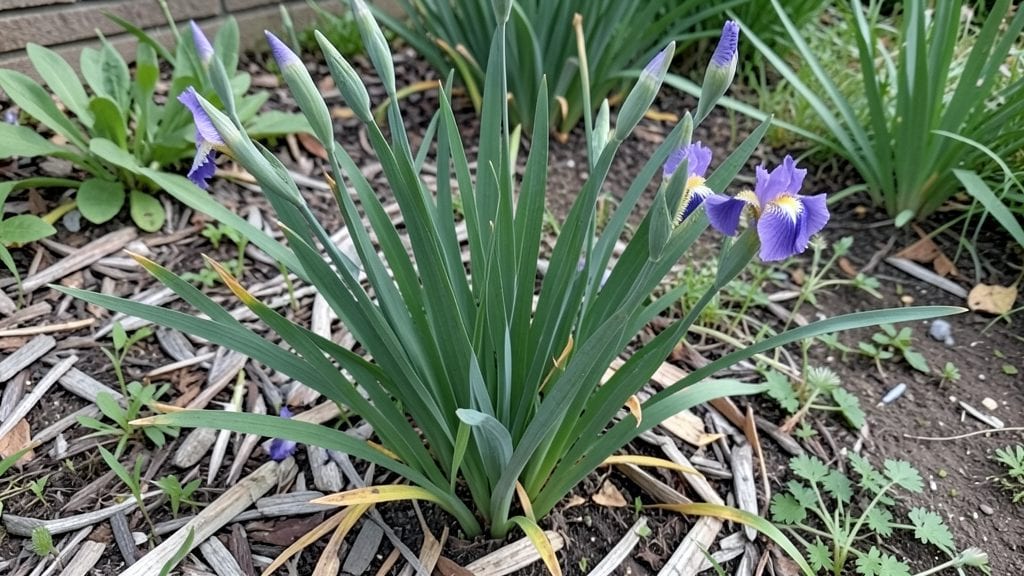
Washington State’s flower gardens thrive where others falter—coastal mist meets alpine sun in the same backyard. 🌿 I’ve designed gardens here that bloom year-round, from salal-lined rainforest borders to sun-drenched meadows where native penstemons outshine annuals.
The key? Matching plants to microclimates: coastal gardens need moisture-loving blooms, while inland spots shine with drought-tolerant perennials.
Your toolkit starts simple: well-draining soil (amend clay with compost), sunlight mapping (track how light shifts across slopes), and layered planting (tall blooms at the back, ground covers in front). Skip the high-maintenance annuals—Washington’s climate rewards perennials like sword fern, Pacific coast iris, and western columbine that return every year.
Local nurseries like Swansons or The Native Plant Nursery stock region-specific varieties that thrive without fuss.
Imagine June’s peonies heavy with rain, September’s asters buzzing with bees, and winter’s hellebores defying the drizzle. A well-planned garden here doesn’t just survive—it outperforms gardens in drier climates.
Start with one sunny border or shady corner, then expand as you discover what flourishes best in your microclimate. The blooms will tell you what to plant next.
Pro tip: Save seeds from your best performers—they’ll adapt better to your exact conditions than store-bought varieties. And if you’re in the Puget Sound? Add rhodies for summer drama—they’ll thank you with decades of blooms. Now grab your gloves and let’s get growing.
📚 In This Guide
- What you need
- Instructions
- Tips and common mistakes
- Wrapping up and next steps
What you need
- ● Native & Adapted Plants: Choose from Washington State natives like Pacific Dogwood (Cornus nuttallii), Western Columbine (Aquilegia formosa), Sword Fern (Polystichum munitum), or alpine-friendly Lupines (Lupinus spp.) and Penstemons (Penstemon spp.).
- ● Soil Amendments: Compost (2–3 cubic yards per 100 sq ft) for nutrient-rich soil.
- ● Peat moss or coconut coir (1–2 bags per 10 sq ft) for moisture retention in alpine gardens.
- ○ Perlite or pumice (optional, for drainage in rocky alpine beds).
- ● Mulch: Cedar chips (3–4 inches deep) or pine bark (for acid-loving plants like rhododendrons).
- ● Basic Tools: Garden shovel (sturdy, 18–24 inches long).
- ● Pruners (bypass pruners for clean cuts).
- ● Hand trowel (for delicate alpine plants).
- ● Garden fork (for aerating clay-heavy soils).
- ○ Optional (But Helpful!): Soil pH tester (Washington’s soil ranges from acidic to neutral—adjust as needed!).
- ● Drip irrigation kit (essential for watering alpine gardens efficiently).
- ● Garden hose with adjustable nozzle (for gentle watering).
- ● Wheelbarrow (for hauling soil, mulch, or rocks).
- ● Site Assessment: Test sunlight (full sun, partial shade, or deep shade) and soil type (sandy, clay, or loamy).
- ● Water Access: Ensure a reliable water source—Washington’s varied climates (from wet coasts to dry inland) demand flexibility!
- ● Local Regulations: Check for HOA rules or native plant ordinances (some areas require native species for new gardens).
- ● Seasonal Timing: Spring (March–May): Best for planting perennials and bulbs.
- ● Fall (September–October): Ideal for alpine plants and shrubs.
Step-by-step guide to designing a thriving Washington State flower garden
Washington’s diverse climates demand a thoughtful approach—here’s how to create a garden that flourishes from the coast to the mountains.
🌱 Step 1: Assess Your Microclimate and Choose Native Plants
Washington’s climate zones range from USDA 7-9 in the Puget Sound lowlands to USDA 5-6 in the inland valleys and USDA 3-4 in the alpine regions. Before selecting plants, observe your garden’s sun exposure, wind patterns, and soil moisture—these dictate what will thrive. Coastal gardens benefit from drought-tolerant perennials like Lupinus (lupine) and Symphoricarpos (snowberry), while inland areas can support moisture-loving Iris and Hosta.
I always start by sketching my garden layout and noting where morning sun fades to afternoon shade. This helps me group plants with similar light needs—like Heuchera (coral bells) in partial shade or Gaillardia (blanket flower) in full sun. Native plants like Penstemon (beardtongue) and Erythronium (dogtooth violet) require minimal intervention once established, making them ideal for low-maintenance gardens.
☀️ Step 2: Prepare Soil for Washington’s Unique Conditions
Washington’s soils vary dramatically—sandy and acidic in coastal areas, loamy and fertile in the Willamette Valley, and rocky in mountainous regions. Test your soil’s pH and amend it accordingly: coastal gardens often need sulfur to lower pH, while inland soils may benefit from lime to raise it. I mix in 3-4 inches of compost into the top 6-8 inches of soil to improve drainage and nutrient retention, especially in heavy clay soils common in eastern Washington.
For raised beds, I use a blend of 50% native topsoil, 30% compost, and 20% perlite or coarse sand to ensure excellent drainage. Mulch with 2-3 inches of wood chips or straw to retain moisture in summer and insulate roots in winter. This is critical in Washington’s wet winters and dry summers—mulch prevents soil temperature swings that stress plants.
🌿 Step 3: Plant in Layers for Year-Round Interest
Layering plants by height creates depth and extends the blooming season. Start with 3-4 foot tall perennials like Delphinium or Lavender at the back, followed by 18-24 inch shrubs such as Spiraea or Weigela, and finish with ground covers like Ajuga or Creeping Thyme. In coastal gardens, I interplant Camassia (wild hyacinth) for early spring color, followed by Iris and Allium for summer, and Sedum for late-season interest.
Space plants according to their mature size—crowding leads to poor airflow and fungal diseases, which are rampant in Washington’s humid summers. I mark planting locations with stakes and use a hand trowel to dig holes twice as wide as the root ball but no deeper. Gently loosen roots if they’re circling and backfill with native soil mixed with compost to encourage root expansion.
💧 Step 4: Establish a Watering Schedule That Matches Washington’s Seasons
Washington’s 30-40 inches of annual rainfall varies dramatically—coastal areas get consistent drizzle, while eastern regions experience drought-like conditions in summer. Newly planted gardens need 1 inch of water weekly (including rainfall) for the first year to establish roots. I use drip irrigation or soaker hoses to deliver water directly to the root zone, reducing evaporation and fungal spores that thrive in overhead watering.
In summer, I water early in the morning to minimize evaporation and fungal pressure. By late fall, I taper off watering entirely, letting the soil dry out slightly to prepare plants for winter dormancy. Mulch plays a huge role here—it slows moisture loss and keeps roots from freezing in our cold winters.
✂️ Step 5: Prune and Maintain for Long-Term Health
Pruning timing is everything in Washington. I remove spent blooms from perennials like Echinacea and Rudbeckia in early summer to encourage continuous flowering. For woody shrubs like Hydrangea or Spiraea, I prune in late winter or early spring before new growth begins—this prevents the risk of frost damage to fresh cuts.
Divide overcrowded perennials every 3-4 years in early spring or fall to maintain vigor. I dig up clumps, separate the roots with a sharp knife, and replant the healthiest sections. This rejuvenates plants like Hosta and Daylily, which can become woody and less productive over time. Fertilize lightly in early spring with a balanced 10-10-10 formula to support new growth.
Tips & tricks for perfect Washington State flower gardens
Washington’s diverse climates mean your garden’s success hinges on strategic planning—here’s how to avoid common pitfalls and create a showstopping display.
Microclimate Mastery: The USDA zones you identified (3-9) aren’t just numbers—they dictate plant survival. In coastal USDA 7-9 areas, I’ve seen Lupinus thrive where inland Hosta struggle. For transitional zones like the Puget Sound, create "microclimates" within your garden: use raised beds for heat-loving Gaillardia while keeping Heuchera in shaded corners. A simple trick is to group plants by their native elevation—mountain Penstemon belongs near alpine-inspired borders, not in lowland areas.
Soil Science That Works: That 3-4 inches of compost you’re mixing into the top 6-8 inches of soil? Don’t just dump it—work it in with a broadfork to avoid compaction. For rocky mountain soils, I add 10% coconut coir to the raised bed mix for better moisture retention. And here’s a pro move: test your soil’s organic matter percentage—aim for 5-10% organic content for optimal plant health. Coastal gardens often need extra sulfur (about 1 pound per 100 sq ft) to combat natural acidity.
Layering Like a Pro: When planting those 3-4 foot Delphinium at the back, dig the hole twice as wide as the root ball but only as deep as the container it came in. The key is creating a "moat" effect—this encourages roots to spread horizontally rather than circling. For ground covers like Ajuga, space them 12-18 inches apart to prevent competition. I always mark planting locations with bamboo stakes before digging to avoid misalignment—trust me, you’ll thank yourself when your layers look intentional.
Watering Wisdom for Washington: That 1 inch of weekly water for new plants? Measure it with a rain gauge, not guesswork. In eastern Washington’s dry summers, I install soaker hoses buried 2 inches deep to deliver water directly to roots while minimizing evaporation. For coastal gardens, water in the late afternoon to take advantage of natural humidity—this reduces fungal pressure compared to morning watering. And remember: once established, most native plants need only supplemental water during drought.
Pro Tips for Flower Gardens In Washington State
- Washington’s diverse climates mean your garden’s success hinges on strategic planning—here’s how to avoid common pitfalls and create a showstopping display.
- Microclimate Mastery: The USDA zones you identified (3-9) aren’t just numbers—they dictate plant survival.
- Soil Science That Works: That 3-4 inches of compost you’re mixing into the top 6-8 inches of soil?
Frequently asked questions
Got questions about creating or maintaining flower gardens in Washington State? You’re in the right place! Here are answers to some of the most common queries to help you cultivate a thriving garden, rain or shine.
What are the best flowers to grow in Washington’s climate?
Washington’s varied climate—from wet coastal areas to dry inland regions—supports a wide range of flowers. Perennials like peony, lavender, and delphinium thrive in most zones, while dahlias and black-eyed Susans love the sun. Coastal gardens do well with rhodies and camellias, while alpine meadows favor columbines and lupines. Native wildflowers like yarrow and blanket flower are low-maintenance and attract pollinators!
When is the best time to plant flowers in Washington?
Timing depends on your region. In Western WA (coastal/marine zones), plant perennials in early spring (March–April) or fall (September–October) to avoid summer heat. Annuals can go in after the last frost (typically late April–May). In Eastern WA (drier zones), aim for early spring to give roots time to establish before summer dryness. Bulbs like tulips should be planted in fall (October–November).
How do I protect my flower garden from Washington’s rain?
Excess moisture can lead to fungal diseases and root rot. Improve drainage by amending soil with compost or sand, and plant in raised beds if needed. Use mulch (like cedar chips or straw) to keep soil dry and prevent erosion. For containers, ensure pots have drainage holes and elevate them slightly. Fungicides (like neem oil) can help prevent mildew, and avoid overhead watering during rainy spells.
Can I grow flowers in Washington without a traditional garden?
Container gardening
is perfect for patios, balconies, or small spaces. Choose compact varieties like petunias, geraniums, or miniature roses. Vertical gardens (using trellises or hanging planters) work well for climbers like clematis or morning glories. Even window boxes can host pansies or snapdragons. Just ensure containers have good drainage and use lightweight potting mix.
Why are my flowers wilting or dying in Washington’s summer?
Washington’s summers can be hot and dry, especially in Eastern WA. Underwatering is often the culprit—check soil moisture 1–2 inches deep before watering. Overwatering can also stress plants, so let soil dry slightly between waterings. Heat stress may cause wilting; provide shade cloth for delicate blooms and water deeply in the morning to reduce evaporation. Fertilize lightly with a balanced, slow-release option to avoid burning roots.
Still stumped? Washington’s Master Gardener programs (like WSU Extension) offer free advice—don’t hesitate to reach out!
Wrapping up and next steps
Washington State’s diverse landscapes—from misty rainforests to sunlit alpine meadows—offer endless inspiration for stunning flower gardens. Whether you’re drawn to native wildflowers, lush perennials, or vibrant annuals, the Evergreen State provides the perfect backdrop for blooms that thrive year-round.
With the right planning, soil prep, and seasonal care, you can cultivate a garden that’s as unique as the Pacific Northwest itself!
Ready to get started? Sketch your dream garden today—pick a spot, gather your tools, and let the blooms begin! 🌸 For more tips, check out our garden planning guide or join local gardening groups to share your progress.