
Vegetables
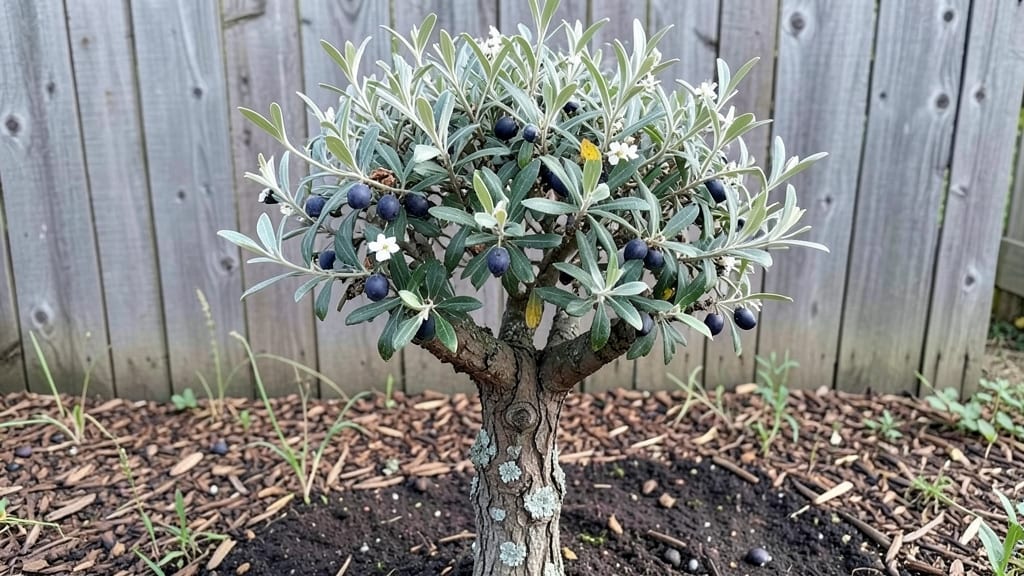
The gardens of Marrakech create a vibrant fusion of Mediterranean herbs and Moroccan vegetables, where rosemary and thyme grow alongside unique varieties like cactus-leaf spinach and Moroccan eggplant. Clever irrigation systems—like hidden channels and terraced slopes—conserve water in the dry climate, while market stalls overflow with seasonal squashes, pomegranates, and saffron-infused produce.
The secret to these gardens lies in their dual-purpose design: they're both lush landscapes and practical food sources. 🌱 Traditional techniques like qanats (underground water channels) and composting olive pits keep soil fertile while conserving every drop of water.
What makes them special is how they balance beauty with functionality—herbs like rosemary aren't just decorative; they're culinary stars in Moroccan dishes. The terraced layouts also prevent erosion, allowing vegetables to thrive even in the harsh desert climate.
For home gardeners, the real magic happens at market day. Vendors sell heirloom varieties like barkoukes (Moroccan chard) and za'atar-infused greens that pack intense flavors. These plants aren't just hardy—they're flavor bombs when used in tajines or fresh salads.
The key to replicating this at home? Start with drought-resistant seeds from local nurseries and mimic the terraced planting style to maximize space and water efficiency.
💡 In This Article
- How Marrakech Gardens Adapt to Arid Climate
- Market Day Vegetable Picks for Home Gardeners
How Marrakech gardens adapt to arid climate
Marrakech's gardens thrive in the desert through a clever combination of ancient engineering and plant biology. The underground qanats—hand-dug channels that tap into deep aquifers—deliver water with minimal evaporation loss.
These systems can transport water over 50 kilometers while losing only 1-2% per kilometer, a feat of precision that dates back to the 8th century. The water flows through porous clay pipes at a controlled 0.5-1 liter per second, ensuring steady hydration without waste.
Terraced layouts are another game-changer, creating microclimates that trap moisture and prevent erosion. Each terrace is typically 1-2 meters high and lined with stone walls that reflect sunlight while holding water against the slopes.
The soil mix includes 30-40% composted animal manure and crushed olive pits, which act as a slow-release fertilizer. This combination boosts organic matter to 5-7% by volume—double the average desert soil—while improving water retention by up to 60%.
Drought-resistant species like cactus-leaf spinach and Moroccan eggplant have adapted to thrive with 30-40% less water than conventional varieties.
Their deep root systems can reach 3-5 feet underground, accessing moisture that other plants can't. The spinach's waxy leaves reduce transpiration by 25% compared to regular spinach, while the eggplant's thick skin prevents dehydration. These plants also produce 20-30% more yield per liter of water than their Mediterranean counterparts.
Biodiversity thrives here because the gardens mimic natural ecosystems. Each terrace supports 3-5 plant species that share similar water needs, creating a balanced competition for resources. For example, rosemary and thyme—both Mediterranean imports—grow alongside za'atar herbs and pomegranate bushes, which have evolved to handle Marrakech's 25-30°C temperature swings daily.
The composting process also introduces beneficial microbes that outcompete pathogens, reducing the need for chemical interventions.
What's fascinating is how these methods work together. The qanats provide consistent water, the terraces prevent loss, and the plant selection ensures nothing goes to waste. Even the pruned branches from fruit trees become mulch, creating a closed-loop system where every part contributes.
This isn't just survival—it's a high-yield, low-impact model that produces 2-3 times more food per acre than conventional desert farming.
The real innovation lies in the adaptability. Gardeners adjust terrace heights based on seasonal rainfall, and they rotate crops every 2-3 years to prevent soil depletion. This dynamic approach ensures the system remains productive even as climate patterns shift. 💫