
Fertilization
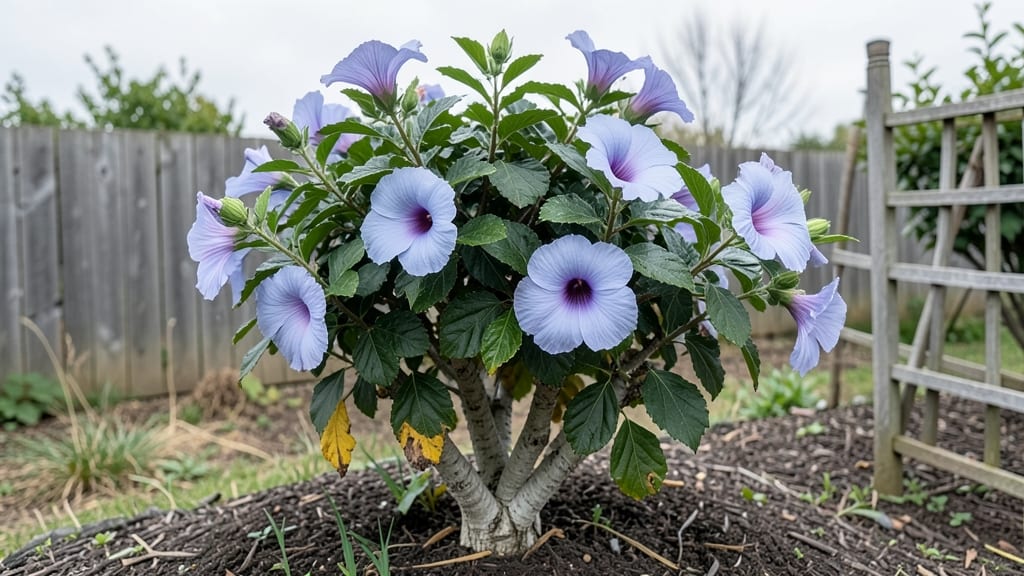
Transform your gazebo gardens in Fresno, California, into a sunlit backyard retreat that effortlessly balances shade and stylish comfort. The key is balancing heat tolerance with afternoon respite—think drought-resistant vines climbing the structure while shade-loving perennials thrive below.
My first Fresno gazebo garden started with a simple metal frame and a few strategic plant choices, and now it’s the coolest spot in the yard on 100-degree days.
You’ll need a sturdy gazebo that handles Fresno’s intense sun—powder-coated metal or polycarbonate panels reflect heat while providing shade. Pair it with native plants like California lilacs or manzanita for year-round interest, and add a drip irrigation system to keep everything lush without wasting water.
The best part? You can squeeze this into even small yards by going vertical with trellises or hanging baskets.
By summer, you’ll have a private oasis where the afternoon breeze filters through foliage and the scent of jasmine or lavender fills the air. The right mix of sun and shade plants means you can enjoy your garden from morning to evening without the harsh glare.
Plus, Fresno’s mild winters let you use the space year-round with seasonal swaps like poinsettias or winter jasmine.
Local nurseries like Sunflower Nursery carry heat-tolerant varieties perfect for this climate, and Fresno’s Master Gardeners program offers free soil tests to optimize your plant choices. Start small—even a 6-foot gazebo with a few climbing roses can make a difference—and let your garden evolve with the seasons.
📚 In This Guide
- What you need
- Instructions
- Tips and common mistakes
- Wrapping up and next steps
What you need
- ● Gazebo Structure: 1 pre-built gazebo kit (8’x8’ or 10’x10’ for small spaces; ensure it’s UV-resistant for Fresno’s sun ☀️)
- ● OR 4–6 galvanized steel or aluminum posts (4” diameter, 8’ tall) + 8–12 crossbeams (2x4 or 2x6 lumber)
- ● Foundation: Concrete footings (4–6 bags of quick-setting concrete mix) or gravel base (50 lbs. for drainage)
- ● 10–12 concrete pavers or bricks (for stability)
- ● Roofing & Siding: Polycarbonate panels (4–6 sheets, 4mm thickness) or asphalt shingles
- ● Roofing screws (50–100, stainless steel)
- ● Exterior-grade paint (1 gallon, weather-resistant)
- ● Tools: Drill + driver bits
- ● Level (4’ or longer)
- ● Post hole digger or auger
- ● Measuring tape, speed square, and chalk line
- ● Circular saw or miter saw
- ● Safety gear (gloves, goggles, ear protection)
- ● Retractable screen or lattice panels (for shade/privacy; 4–6 panels)
- ● Outdoor rug or path (polypropylene, 5’x7’ or 4’x6’)
- ● String lights (solar-powered or LED, 50–100 ft. roll)
- ● Potted plants (succulents, ferns, or drought-resistant varieties for Fresno’s climate)
- ● Bench or seating (foldable or built-in, weatherproof)
- ● Mulch (cypress or shredded bark, 2–3 cubic feet)
- ● Check Fresno’s local building codes (permits may be required for permanent structures).
- ● Test soil pH (aim for 6.0–7.0; adjust with lime or sulfur if needed).
- ● Clear the space (remove rocks, debris, or invasive weeds).
- ● Schedule a weekend or overcast day for assembly to avoid Fresno’s intense afternoon sun.
Instructions for creating a sun-kissed gazebo garden in Fresno
Fresno’s intense sun and compact urban spaces demand a clever approach to shade and greenery.
Select the Perfect Gazebo Location
Position your gazebo where it receives morning sun but afternoon shade—this protects both plants and people from Fresno’s 100°F+ afternoons. Avoid spots where the gazebo will cast harsh shadows over your lawn for more than 4 hours daily, as this can stress grass and slow growth. Check the area’s drainage—Fresno’s clay soil can pool water, so choose a slightly elevated spot or one with natural slope to prevent soggy roots.
I like to sketch a rough layout first, marking where the gazebo will sit relative to your home, driveway, and existing plants. This helps visualize how shade patterns will shift throughout the day. If your yard is small, consider a freestanding gazebo rather than one attached to the house—this gives you more flexibility in plant placement and airflow.
Prepare the Soil and Foundation
Before assembling the gazebo, amend the soil in the surrounding 6-foot radius with 3-4 inches of compost and 1 inch of perlite to improve drainage. Fresno’s heavy clay can suffocate roots, so this step is critical. Mix the amendments into the top 6 inches of soil using a garden fork, breaking up any compacted layers. If you’re installing a permanent gazebo, lay down a gravel base (at least 4 inches deep) to elevate it slightly and prevent moisture buildup.
For container gardening under the gazebo, fill 10-12 gallon pots with a well-draining potting mix—I recommend a blend of 60% potting soil, 20% coconut coir, and 20% perlite. This ensures excess water drains quickly, which is essential in Fresno’s dry climate. Place pots on elevated trays to catch any runoff and keep the area tidy.
Choose Heat-Tolerant and Shade-Loving Plants
Under the gazebo, where light is filtered, opt for partial-shade plants like caladiums, impatiens, and ferns, which thrive in Fresno’s 90-100°F shade. Around the perimeter, where sun touches the edges, plant heat-resistant varieties such as lantana, bougainvillea, and succulents—these can handle full sun exposure without wilting. I always group plants with similar water needs together to simplify care.
For vertical interest, train climbing roses or jasmine along the gazebo’s lattice, where they’ll receive dappled sunlight—perfect for Fresno’s intense but intermittent sun. Mulch the base with 2-3 inches of wood chips to retain moisture and suppress weeds. Avoid organic mulches like straw in hot climates, as they can attract pests.
Install Shade Solutions for Extended Comfort
Even with a gazebo, Fresno’s afternoon sun can still be overwhelming. Hang sheer, UV-protective fabric (like shade sail material) from the gazebo’s roof to filter 20-30% of sunlight, reducing heat while allowing light for plants. Secure the fabric with adjustable clips so you can roll it up on cooler days. For extra cooling, add a small oscillating fan on a low setting—this creates a gentle breeze that keeps both you and the plants comfortable.
Test the shade coverage in late afternoon (when sun is strongest) to ensure the fabric blocks the most intense rays. If you notice plants wilting by 2 PM, the shade isn’t sufficient—adjust the fabric or add a second layer. In Fresno, afternoon shade is non-negotiable for both plant health and human comfort.
Maintain Water Efficiency and Plant Health
Water deeply once or twice weekly, depending on the heat—early morning is best to reduce evaporation. Use drip irrigation under the gazebo to deliver water directly to roots, minimizing waste. I set up a timed system that runs for 15-20 minutes per zone, ensuring the soil stays moist but not soggy. Fresno’s dry air means plants lose moisture quickly, so morning watering is a must.
Monitor plants for pests like spider mites (common in hot, dry conditions) and fungal issues (from overhead watering). Prune leggy growth regularly to encourage bushier, more shade-tolerant habits. If you notice yellowing leaves, it’s often a sign of overwatering or nutrient deficiency—adjust your care routine accordingly. In Fresno, less frequent but deeper watering is always better than light, daily sprinkles.
Tips & tricks for perfect gazebo gardens in Fresno
Fresno's unique climate demands a strategic approach to create a thriving gazebo garden that balances shade, heat tolerance, and water efficiency.
Site Selection Strategy: When evaluating locations in Step 1, pay close attention to how sunlight shifts throughout the day. Use a simple shadow tracing method by marking the gazebo's shadow at 10 AM, noon, and 2 PM on a sunny day. This will reveal exactly where afternoon shade will fall—critical information for positioning your heat-sensitive plants. I've found that positioning the gazebo slightly north of center often creates the most balanced light distribution for Fresno's intense afternoon sun.
Soil Preparation for Clay Soil: The 6-foot radius soil amendment in Step 2 is particularly important in Fresno's heavy clay. For even better results, consider adding 1 cup of gypsum to each cubic yard of amended soil. This helps break down the clay particles over time, improving both drainage and root penetration. The 15-20 minute timed watering system mentioned works beautifully with this amended soil—just be sure to monitor the first few waterings to ensure proper absorption.
Plant Placement Optimization: In Step 3, when arranging your partial-shade plants like caladiums and impatiens, place them on the north side of the gazebo where they'll receive the least direct sunlight. The heat-resistant varieties like lantana and bougainvillea should go on the east and west edges where they'll get morning sun without the harsh afternoon heat. This strategic placement creates microclimates that maximize each plant's potential while working with Fresno's extreme temperature swings.
Shade Fabric Science: The 20-30% sunlight filtration from shade sail material in Step 4 is perfect for Fresno's conditions. For even better heat reduction, choose fabric with a light gray or white tint—these colors reflect more heat than natural shades. When testing shade coverage in late afternoon, pay special attention to how the fabric affects the gazebo's edges. You may need to adjust the fabric's tension or add additional layers to the sides where heat can build up more quickly.
Pro Tips for Gazebo Gardens Fresno California
- Fresno's unique climate demands a strategic approach to create a thriving gazebo garden that balances shade, heat tolerance, and water efficiency.
- Site Selection Strategy: When evaluating locations in Step 1, pay close attention to how sunlight shifts throughout the day.
- Soil Preparation for Clay Soil: The 6-foot radius soil amendment in Step 2 is particularly important in Fresno's heavy clay.
Frequently asked questions
Got questions about creating your dream gazebo garden in Fresno, California? You’re not alone! Here are answers to some of the most common queries to help you plan with confidence.
What’s the best time of year to build a gazebo garden in Fresno’s climate?
Fresno’s hot summers (up to 100°F!) and mild winters make spring (March–May) or fall (September–November) ideal. Avoid peak summer heat—it’s tough on plants and workers! Plant shade-loving species like bougainvillea or oleander once temperatures stabilize in late spring.
Are prefab gazebos cheaper than custom-built ones in Fresno?
Yes! Prefab gazebos (starting at $500–$2,000) are budget-friendly, but custom-built options ($3,000–$10,000+) offer personalized designs. Check local suppliers like Fresno Gazebos & More or Home Depot’s outdoor section for cost-effective kits. Pro tip: DIY assembly can save 20–30%!
How do I protect my gazebo garden from Fresno’s intense sun?
Combine shade cloth (30–50% coverage), fast-growing vines (e.g., morning glories), and retractable awnings. Paint your gazebo’s metal frame white or light gray to reflect heat. For extra privacy, add lattice panels with climbing roses or jasmine—nature’s built-in sunscreen!
What are low-maintenance plants for a Fresno gazebo garden?
Opt for drought-tolerant natives like desert marigold, California fuchsia, or succulents. Lavender and rosemary thrive in heat and repel pests. Bonus: Install a drip irrigation system to save water and time!
My gazebo’s wood is cracking—how do I fix it?
Fresno’s dry air and sun accelerate wood damage. Sand cracks, then seal with exterior wood filler and repaint with UV-resistant stain. For prevention, apply linseed oil annually. If rot is severe, consider replacing affected planks—check for termites first!
Wrapping up and next steps
Creating a gazebo garden in Fresno, California, is all about embracing your space with creativity and purpose.
Whether you’re transforming a tiny patio or a cozy backyard corner, the right plants, materials, and design choices can turn your outdoor oasis into a sun-kissed retreat—complete with privacy and charm. 🌿✨
Ready to dive in? Start by sketching your vision, gathering supplies, and planting with confidence. Your dream garden is just a few steps—and some fresh soil—away! Happy gardening!