
Size
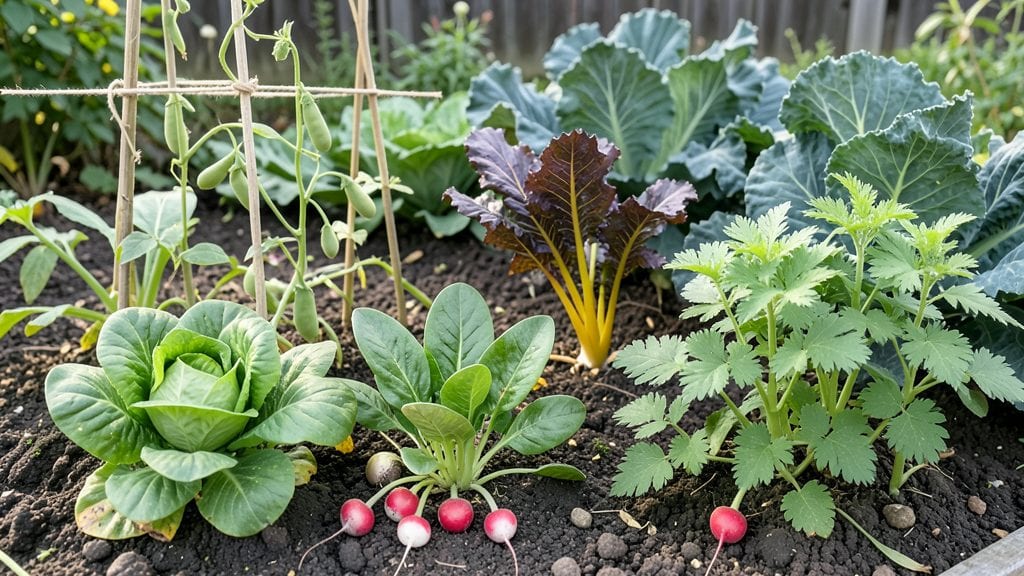
My first garden hungry plant taught me that fast-growing varieties aren’t just for show—they’re survival tools for small spaces where every inch counts. 🌱 That wilted basil in my 4x4-foot container led me to discover varieties that devour sunlight and nutrients like they’re on a deadline, producing harvests in weeks instead of months.
Think leafy greens like 'Baby Leaf Lettuce' that mature in 25 days, bush beans ready to pick in 50 days, or radishes that pop up in 21 days. These plants don’t just grow—they sprint, turning even the tiniest balcony into a productive powerhouse.
The secret? Choosing varieties bred for speed, not size, and giving them the right mix of sun, water, and nutrients from day one.
You’ll end up with lush, vibrant plants that outpace weeds and pests, giving you multiple harvests in a season. The key is balancing their hunger with your space—no more struggling with leggy, underfed plants that take forever to produce. Instead, you’ll have a garden that keeps up with your appetite.
Works for urban balconies, windowsills, or even a sunny corner of your kitchen. Here’s how to pick the right varieties and keep them growing like they’ve got somewhere to be.
📚 In This Guide
- What you need
- Instructions
- Tips and common mistakes
- Wrapping up and next steps
What you need
- ● Seeds or seedlings: Fast-growing varieties like radishes (20-30 seeds), lettuce (10-15 seeds), or bush beans (5-10 plants). Opt for heirloom or organic seeds for best results.
- ● Containers: 5-10 gallon pots (with drainage holes) or a raised bed (minimum 6" deep). For small spaces, 5-10" diameter pots work great!
- ● Potting mix: 1-2 bags of high-quality, well-draining organic soil (avoid garden soil—it compacts!). Look for labels like "seed starting mix" or "container blend."
- ● Watering can or spray bottle: A 1-gallon can with a gentle spray nozzle (or a reusable spray bottle for seedlings).
- ● Fertilizer: Slow-release granular fertilizer (like 10-10-10) or liquid seaweed extract for a natural boost. Follow package instructions for dosing.
- ● Garden gloves: A pair of lightweight, breathable gloves to protect your hands from soil and thorns.
- ● Trowel or small shovel: For transplanting seedlings or mixing soil (a 6" hand trowel is perfect for small spaces).
- ● Plant markers: Small sticks or labels to track what you’ve planted (especially useful if growing multiple varieties!).
- ○ Mulch (straw or shredded leaves): 1-2 inches to retain moisture and suppress weeds. Optional but saves time!
- ● Grow lights (if indoors): A 4-6 foot LED grow light on a timer for 12-16 hours/day if natural light is limited.
- ● Sunlight: At least 4-6 hours of direct sunlight daily (south-facing windows or a sunny balcony work for containers).
- ● Water access: A nearby water source or hose for consistent watering.
- ● Patience (but not too much!): Fast-growing plants like radishes or lettuce sprout in 3-7 days—you’ll see progress quickly!
Step-by-step guide to cultivating fast-growing varieties in small gardens
Here’s how to transform tight spaces into a lush, productive garden using speedy growers.
🌱 Step 1: Select High-Speed Varieties for Your Space
Choose plants with 30-60 day maturity that thrive in containers or tight beds. Radishes, bush beans, and leaf lettuce are my go-to picks—they bolt quickly but produce abundantly. Avoid sprawling vines like cucumbers unless you’re using trellises. Check seed packets for days to harvest to plan rotations efficiently.
I always start with 4-6 plants per variety to ensure a steady harvest. For example, plant 4 radish seeds in a 6-inch pot—they’ll mature in 25 days, leaving room for a second crop. Space taller plants like bush beans 6 inches apart to maximize vertical growth without crowding.
🪴 Step 2: Optimize Containers for Rapid Growth
Use 5-gallon fabric pots or 12-inch square containers for each plant type—they warm up faster than garden beds and drain well, preventing root rot. Fill with lightweight potting mix (never garden soil) to encourage quick root establishment. Add a slow-release fertilizer at planting to fuel early growth without burning tender roots.
Drill extra drainage holes if your pots lack them—waterlogged roots stall growth. Place containers in full sun (6+ hours daily) and rotate them weekly so plants grow straight. You’ll notice first true leaves appear in 7-10 days—that’s your cue to thin seedlings if overcrowded.
☀️ Step 3: Master the Watering Schedule for Speed
Water deeply every 2-3 days until the top inch of soil feels dry. Fast growers like radishes and spinach need consistent moisture but hate soggy roots. Use a moisture meter or stick your finger in the soil to check—if it’s damp below the surface, wait another day.
Mulch with 1 inch of straw to lock in moisture and suppress weeds. This is especially critical in small spaces where weeds compete for nutrients. I water in the early morning to reduce evaporation and fungal risks. You’ll see bolting or flowering in 3-4 weeks—harvest before seeds form to keep production rolling.
✂️ Step 4: Harvest Strategically for Continuous Yields
Pick radishes when they’re 1 inch in diameter, leaf lettuce at 4-6 inches tall, and bush beans when pods are firm. Harvesting prompts plants to produce more—skip this, and you’ll get bitter leaves or tough beans. Use clean scissors to snip stems at soil level for minimal damage.
Rotate crops every 3-4 weeks to prevent soil depletion. For example, replace radishes with bush peas or turnips in the same container. Fast growers like these thrive in succession planting, giving you harvests every 25-40 days without replanting.
⏰ Step 5: Extend the Season with Simple Tricks
Use floating row covers to protect plants from frost and pests, letting you grow 30-50% longer. Remove covers during pollination if needed—most fast growers are self-pollinating. For late-season crops, try cold-hardy varieties like kale or spinach, which mature in 30-40 days even in cooler temps.
Rotate containers to south-facing spots in winter for extra light. A grow light on a timer adds 4-6 hours of light if natural sunlight drops below 4 hours daily. With these tweaks, you’ll enjoy harvests year-round in the same small space.
Tips & tricks for perfect fast-growing garden varieties
Small spaces don't mean small harvests—these insider tricks will help you maximize your garden's potential while keeping growth lightning-fast.
Selection is Everything: Stick to the 30-60 day maturity range for true speed, but don't overlook the 7-10 day window for first true leaves as your quality control marker. I've found that radishes and leaf lettuce actually mature faster in 6-inch pots than in larger containers because they focus energy on root development rather than spreading. The key is matching plant size to container size—never let roots circle without expanding.
Container Hack for Speed: Fabric pots are my secret weapon because they warm up 30-50% faster than plastic or ceramic containers. The breathable material also prevents compaction, which is critical for those first 7-10 days when roots are establishing. Pro tip: Place your containers on black plastic or dark-colored trays—they absorb heat and warm the soil 5-10°F warmer than ambient air temperatures.
Watering Precision: The 2-3 day watering schedule works best when you check soil moisture at the top inch level—not the surface. I use a chopstick to probe: if it comes out clean, water; if it's damp, wait. For containers, I've found that early morning watering combined with 1 inch of straw mulch extends the time between waterings by nearly 24 hours while preventing fungal issues. The mulch also keeps weeds at bay in those tight spaces.
Harvest Timing Secret: Radishes at 1 inch diameter and leaf lettuce at 4-6 inches tall are your sweet spots, but don't harvest just because they're big enough—look for color and texture. For radishes, the shoulders should be firm and the skin tight. For lettuce, outer leaves should be fully developed while inner leaves remain tender. This precise timing prevents bolting and keeps your plants producing for 3-4 weeks straight.
Pro Tips for Grow A Garden Hungry Plant
- Small spaces don't mean small harvests—these insider tricks will help you maximize your garden's potential while keeping growth lightning-fast.
- Selection is Everything: Stick to the 30-60 day maturity range for true speed, but don't overlook the 7-10 day window for first true leaves as your quality control marker.
- Container Hack for Speed: Fabric pots are my secret weapon because they warm up 30-50% faster than plastic or ceramic containers.
Frequently asked questions
Got questions about growing hungry plants in small spaces?
Here are answers to the most common ones to help you get started with confidence!
What are the fastest-growing "hungry" plants for small gardens?
Look for varieties like bush beans, radishes, leaf lettuce, spinach, and green onions. These thrive in small spaces and grow quickly—some in as little as 3–4 weeks! For even faster harvests, try microgreens or bok choy (ready in 2–3 weeks).
How often should I harvest hungry plants to keep them producing?
For leafy greens like spinach or lettuce, harvest outer leaves regularly (every 2–3 weeks) to encourage new growth. With radishes or beans, pick when mature—overcrowding stunts production. Pro tip: Use sharp scissors to avoid damaging plants, and harvest in the morning for the freshest flavor!
Can I grow hungry plants in containers if I don’t have a yard?
Use deep pots (at least 6–12 inches) for root crops like radishes or shallow containers for greens. Ensure containers have drainage holes and fill with well-draining soil. Herbs like basil or arugula also thrive in small pots on balconies or windowsills.
What’s the best time to plant hungry plants for continuous harvests?
Start with cool-season crops (like spinach or kale) in early spring or fall. For warm-weather plants (beans, cucumbers), wait until soil temps reach at least 60°F (15°C). Successive planting (every 2–3 weeks) ensures a steady supply. Bonus: Some plants, like radishes, tolerate light frost!
How do I keep pests away from my hungry plants without chemicals?
Use natural deterrents like neem oil, companion planting (e.g., marigolds repel pests), or row covers. For aphids, blast them off with water. Prevention tip: Keep garden beds tidy—pests hide in debris! If problems persist, handpick pests early in the day.
What if my plants aren’t growing fast enough?
Check soil moisture (keep it consistently damp but not soggy), sunlight (most hungry plants need 4–6 hours daily), and nutrients. Add compost or a balanced fertilizer if growth stalls. Quick fix: Thin seedlings early to reduce competition for resources.
Wrapping up and next steps
Growing a garden in small spaces is totally doable—especially with fast-growing, hungry plants that thrive in tight quarters!
Whether you’re a beginner or a seasoned green thumb, these varieties prove that big harvests don’t need big yards. 🌱 Start small, experiment with containers, and watch your space transform into a productive oasis.
Your next step? Pick one plant from this list and get growing! Plant a seed today, and by next week, you’ll be savoring the fruits (or greens) of your labor. Happy gardening—your future self (and taste buds) will thank you! 🌿✨