
Lawn
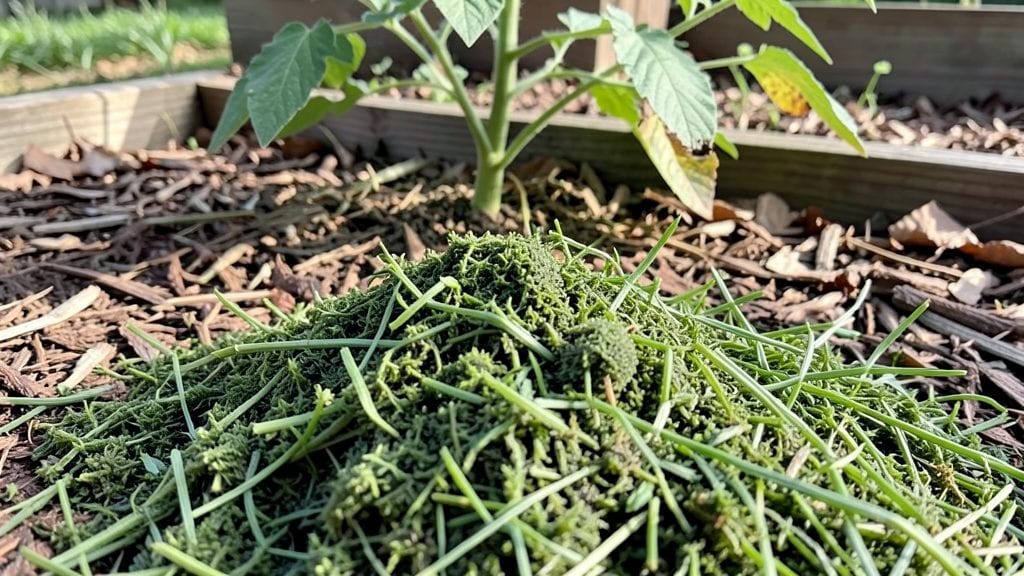
Using grass clippings in garden beds as mulch or compost enriches soil with nitrogen, reduces weeds, and retains moisture—just avoid thick layers that can smother plants or attract pests. Shred clippings first for faster decomposition and even distribution.
Grass clippings are nature's free fertilizer—packed with nitrogen and organic matter that feeds soil microbes. 🌱 When chopped fine and spread thinly, they break down quickly, improving soil structure and locking in moisture.
I’ve seen gardens thrive using this method, especially when mixed with compost or leaves to balance carbon levels. The key is consistency: regular light applications keep weeds at bay while feeding plants naturally over time.
For best results, apply clippings when they’re still damp but not wet—this prevents clumping and speeds up decomposition. Pair them with other organic materials like straw or wood chips to create a balanced mulch layer.
Just remember: thin layers (about ¼-inch thick) work best, while thick piles can suffocate roots or attract pests like fungus gnats.
💡 In This Article
- How Grass Clippings Boost Soil Fertility
- Best Practices for Applying Grass Clippings to Garden Soil
How grass clippings boost soil fertility
Grass clippings are a nitrogen powerhouse, containing about 3-4% nitrogen by dry weight—nearly twice as much as many commercial fertilizers. When you mow grass, you're essentially harvesting this nitrogen-rich material that would otherwise decompose on your lawn.
The clippings break down rapidly, releasing nitrogen in forms plants can absorb, like ammonium and nitrate. This process kickstarts microbial activity in the soil, creating a thriving ecosystem that improves nutrient cycling and soil health over time.
The magic happens through microbial decomposition. Fresh clippings contain about 80-90% moisture, which speeds up the work of soil bacteria and fungi. These microbes decompose the organic matter, converting it into humus—a dark, spongy substance that enhances soil structure.
Unlike synthetic fertilizers that provide a quick nitrogen boost, organic clippings release nutrients gradually, feeding plants over weeks rather than days. This slow-release mechanism mirrors natural nutrient cycles in healthy ecosystems.
Texture plays a crucial role in decomposition rates. Finely shredded clippings (about ½-inch pieces or smaller) decompose in 2-4 weeks, while larger clumps may take months. The increased surface area allows microbes to colonize more quickly.
You'll notice the soil becoming darker and crumbly as organic matter integrates, with improved water retention—similar to how a good sponge holds moisture. This is especially valuable during dry spells when plants need consistent hydration.
Fresh versus dry clippings create different outcomes. Fresh clippings add immediate moisture and nitrogen but require faster action to prevent matting. Dry clippings, on the other hand, contain concentrated nutrients but may need rehydration before breaking down.
The ideal balance is damp clippings—they spread easily without clumping while providing both moisture and nutrients. For maximum benefit, mix them with carbon-rich materials like straw or wood chips to create a balanced mulch that won't deplete soil oxygen.
Here's what happens beneath the surface: As clippings decompose, they create microscopic pores in the soil that improve aeration. These pores allow roots to penetrate deeper while also storing water like a natural reservoir.
The microbial activity generates heat during decomposition, which helps break down tougher organic materials in the soil. Over time, this process transforms compacted soil into a loose, fertile medium that supports robust plant growth.
What most gardeners don't realize is how clippings suppress weeds naturally. The thin layer (about ¼-inch thick) blocks sunlight from reaching weed seeds while retaining soil moisture—creating an inhospitable environment for unwanted plants.
This dual benefit makes grass clippings one of nature's most efficient soil amendments when used correctly. The key is consistency: regular light applications build soil fertility over time, creating a self-sustaining garden ecosystem.