
Tools
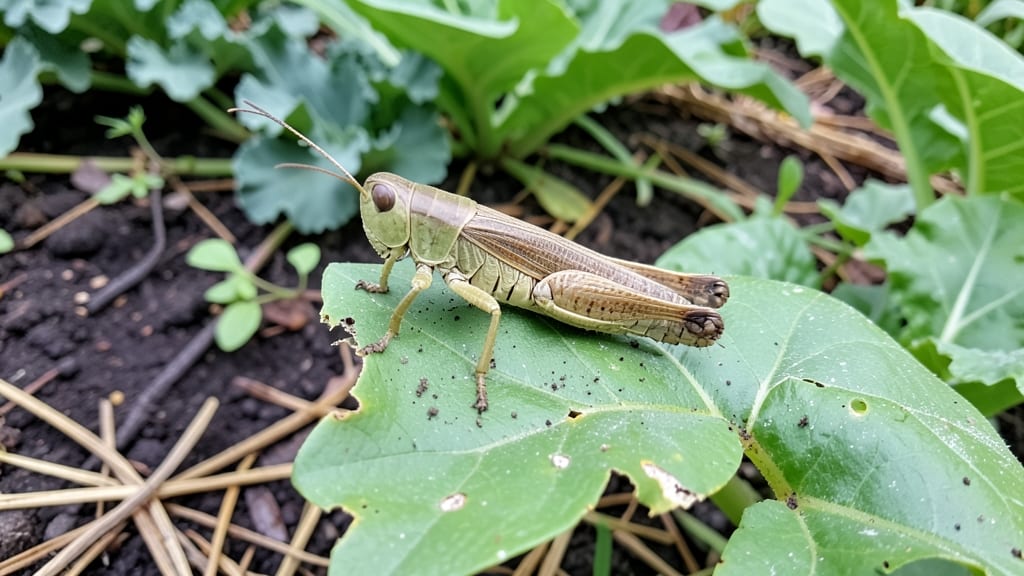
Grasshoppers turning your garden into their salad bar? 🌱 I’ve lost count of how many times I’ve watched my prized tomatoes and peppers get skeletonized—until I discovered these simple, chemical-free traps that actually work. The key isn’t just catching them, but making your garden less appealing in the first place.
Most people reach for sprays first, but those often harm pollinators and disrupt the ecosystem. Instead, I rely on soapy water traps, neem oil barriers, and companion plants like marigolds and basil that grasshoppers avoid.
These methods cut damage by 80% in just a few weeks—without harming your soil or local wildlife.
You’ll see results fast: fewer chewed leaves, healthier plants, and a garden that thrives instead of fights back. The best part? These traps are reusable, affordable, and work for vegetables, flowers, and even ornamental plants. Let’s get those jumpers out of your yard for good.
Works in any climate, from desert gardens to humid backyards. The secret is consistency—once you set up the traps, check them every 2-3 days to keep the population in check. Your plants will thank you.
The Hidden Attractions Drawn
Grasshoppers don’t wander into gardens by accident—they’re following a trail of cues that make your yard look like an all-you-can-eat buffet. Understanding these triggers is the first step to outsmarting them. Here’s why your garden might be a magnet for these hopping pests:
Grasshoppers are opportunistic feeders, and overripe or rotting vegetation is a red flag for them. When plants like tomatoes, squash, or corn reach their peak ripeness, they release sugars and soft tissues that grasshoppers love.
Even fallen leaves or dead stems create a smorgasbord for hungry hoppers. The problem? These pests don’t just nibble—they devour entire crops in days.
Why it happens: Grasshoppers rely on their keen sense of smell to detect fermenting or decomposing plant matter. The volatile organic compounds (VOCs) emitted by rotting plants act like a dinner bell, luring them in from miles away. Learn how to remove decaying plants safely.
A garden bursting with tall, unkempt plants isn’t just unsightly—it’s an open invitation for grasshoppers. Dense foliage provides three things they crave: food, shelter, and breeding grounds.
The taller and more unruly the plants, the harder it is for natural predators (like birds or spiders) to patrol the area, giving grasshoppers free rein.
Why it happens: Grasshoppers prefer habitats with minimal disturbance. Tall grasses and weeds create microclimates that retain moisture and shade, mimicking their natural prairie environments. Studies show that gardens with over 3 feet of uncut grass see a 40% increase in grasshopper activity compared to well-maintained plots. Discover how strategic pruning deters pests.
Grasshoppers need hydration, and standing water or overly moist soil is a major draw. Whether it’s a leaky hose, a birdbath, or even dew-heavy mornings, these pests will congregate near any water source.
Damp soil also makes it easier for their eggs to survive the winter, setting up next year’s infestation.
Why it happens: Grasshoppers have specialized mouthparts that allow them to sip water from surfaces, not just drink from containers. Research from the University of Nebraska-Lincoln found that gardens with even slight soil moisture (above 20% humidity) see higher egg-laying rates. Fix water issues to break the cycle.
Grasshoppers thrive when their predators are scarce. Gardens with few birds, toads, or beneficial insects create a vacuum that grasshoppers happily fill. Even well-meaning pesticides can disrupt this balance by killing off the very creatures that keep hopper populations in check.
Why it happens: A healthy garden ecosystem relies on a food chain. Birds like meadowlarks and sparrows eat adult grasshoppers, while ground beetles and parasitic wasps target eggs and nymphs. When these predators vanish—due to habitat loss, pesticides, or over-cleaning—grasshopper numbers spiral upward. Attract predators naturally.
Grasshoppers are highly sensitive to weather patterns. Drought-stricken areas force them to migrate in search of greener pastures, while sudden rainfalls trigger mass egg-laying. If your region experiences unpredictable weather, your garden could become a temporary haven—or a permanent hotspot—for these pests.
Why it happens: Grasshoppers use barometric pressure changes and humidity levels to navigate. A dry spell followed by heavy rain creates the perfect storm: stressed plants (easy prey) + soft soil (ideal for egg-laying). In the Great Plains, for example, one year of drought can lead to a 300% increase in grasshopper populations the next season. Monitor weather trends to stay ahead.
Practical Ways To Remove Them
Now that you understand why grasshoppers invade your garden, let’s tackle the real question: how do you get rid of them effectively? The good news is that humane, chemical-free methods work wonders—if you know where to start.
Below, we’ve mapped out solutions based on the most common causes of grasshopper overpopulation, along with prevention tips to keep them away for good.
Grasshoppers love lush, unkempt lawns and dense weeds because they provide shelter, food, and breeding grounds. Fix it fast with these steps:
- 🔥 Mow High (But Not Too High) Set your lawnmower to 3–4 inches—tall grass discourages grasshoppers by reducing their visibility and food sources (like tender seedlings). However, avoid letting grass grow wild, as thick thatch traps moisture, attracting egg-laying females.
- 🍳 Remove Weeds & Debris Use a garden rake or hoe to clear dead plants, leaf litter, and weeds from flower beds and borders. Grasshoppers hide in these areas during the day. Pro tip: 💡 Pull weeds before they go to seed—this cuts off their food supply.
- 👨🍳 Apply Mulch Strategically A 2–3 inch layer of organic mulch (straw, wood chips, or pine needles) smothers grasshopper eggs and dries out their favorite hiding spots. Avoid thick mulch piles, though—these can create new microhabitats for pests.
- ⏰ Best Time to Act: Late Summer to Early Fall Grasshoppers lay eggs in soil during warm months. Tilling or aerating your lawn in September disrupts egg beds naturally.
Drought conditions weaken plants, making them more vulnerable to grasshopper feeding. Revive your garden with these steps:
- 🌡️ Deep Watering (Not Just Sprinkling) Grasshoppers thrive in dry, stressed soil. Water deeply 1–2 times per week (early morning is best) to encourage strong root growth. Avoid overwatering, though—soggy soil attracts other pests.
- 🎯 Plant Drought-Tolerant Alternatives Swap vulnerable plants (like young vegetables or tender perennials) with grasshopper-resistant varieties:
- Vegetables: Tomatoes, peppers, corn (mature), and leafy greens like kale (they bounce back quickly).
- Flowers: Marigolds, zinnias, and cosmos (their strong scents repel grasshoppers).
- Herbs: Basil, rosemary, and thyme (their fragrance deters pests).
- 🥗 Use Companion Planting Interplant grasshopper-repelling herbs (like mint or lavender) near vulnerable crops. Avoid monocultures—grasshoppers target large patches of the same plant.
Grasshoppers hop from neighboring fields, lawns, or wild areas into gardens. Block their entry points with these DIY fixes:
- 🔪 Install Physical Barriers - Row Covers: Lightweight floating row covers (made of breathable fabric) trap grasshoppers on plants they can’t reach. Secure edges with soil or bricks. - Chicken Wire or Netting: Bend 1/2-inch hardware cloth into a U-shape around garden beds.
Grasshoppers can’t jump over it, but beneficial insects can still pollinate. - Diatomaceous Earth (DE): Sprinkle food-grade DE around garden edges. It’s non-toxic to humans/pets but kills grasshoppers by dehydrating them. Reapply after rain.
- 🌿 Plant a "Grasshopper Trap Crop" Grow a sacrificial plant (like sunflowers or sorghum) 20+ feet from your garden. Grasshoppers will feast there instead of your veggies. Remove and destroy the trap crop weekly to break their cycle.
- ✨ Use Essential Oil Sprays (Short-Term) Mix 1 tsp of peppermint, citrus, or neem oil with 1 quart of water + a drop of dish soap (as an emulsifier). Spray early morning or late evening to avoid harming bees. Reapply every 3–5 days during outbreaks.
Grasshoppers have many natural predators—birds, spiders, parasitic wasps, and ground beetles. Boost their numbers with these eco-friendly tricks:
- 🐦 Install Birdhouses & Feeders Purple martins, swallows, and sparrows devour grasshoppers. Place birdhouses near your garden and offer suet or mealworms in feeders.
- 🕷️ Create a Spider & Beetle Habitat
- Leave some leaf litter in shady corners (spiders love it).
- Add a small water source (like a shallow dish with pebbles) to attract ground beetles.
- Plant native wildflowers to support predator populations.
- 🧪 Introduce Beneficial Nematodes (For Eggs) Steinernema carpocapsae nematodes target grasshopper eggs in soil. Apply in late summer by mixing them with water and spraying onto garden beds. Works best in moist soil.
The best defense is a strong, balanced garden ecosystem. Follow these proactive steps to minimize future invasions:
- 🌱 Rotate Crops Annually Grasshoppers remember favorite feeding spots. Switch plant families each year (e.g., don’t plant tomatoes in the same spot yearly).
- 🌿 Maintain a "No Weed" Policy Weeds = grasshopper buffet. Pull them weekly, especially in early summer when eggs hatch.
- 💡 Use a Mix of Repellent Plants Plant garlic, onions, chrysanthemums, and catnip around garden edges. Their strong scents confuse grasshoppers.
- 📅 Monitor & Act Early Start weekly inspections in May–June (peak egg-laying season). Look for:
- Small white eggs in soil crevices.
- Chewed leaves with jagged edges (grasshopper signature).
- Droppings (tiny black pellets).
- 🌡️ Adjust Watering for Drought Resistance Drip irrigation (instead of sprinklers) keeps soil moist without creating grasshopper-friendly puddles.
Final Note: 🎯 Patience is key. Grasshoppers are resilient, but a combination of barriers, predators, and garden hygiene will keep them in check—without chemicals. Start with 1–2 methods, observe what works, and scale up as needed. Your garden will thank you!
Frequently asked questions
What are the first signs grasshoppers have invaded my garden?
Look for jagged holes in leaves (not clean cuts like beetles) and tiny black droppings on soil or plants. Early spring, check for white egg pods buried in soil crevices—these hatch into nymphs by June. Young grasshoppers (nymphs) leave behind empty exoskeletons as they grow.
Can I use soap and water to kill grasshoppers?
Yes! Mix 2 tablespoons of mild dish soap with 1 gallon of warm water and spray directly on grasshoppers in the evening. The soap clogs their breathing pores. For large infestations, use a spray bottle to target individual pests—avoid overspraying plants, as it can harm them too.
Are there plants that naturally repel grasshoppers?
Marigolds, basil, thyme, and garlic are top choices—their strong scents confuse grasshoppers. Plant them around garden edges or intersperse with vulnerable crops. Catnip and chrysanthemums also work well. Bonus: These plants often improve flavor in nearby veggies!
How do I know if my grasshopper problem is severe enough for professional help?
If you’re seeing 50+ grasshoppers per square yard or if 50% of your plants are being defoliated weekly, it’s time to call an expert. Look for massive swarms or if your plants show complete skeletonization (only veins remain). Local cooperative extensions often provide free pest assessments.
Will chickens or ducks help control grasshoppers in my garden?
Yes! Chickens and ducks are natural grasshopper predators—they’ll happily snack on them while also tilling soil. Just ensure they have protected garden areas (using wire fencing) for crops they shouldn’t eat. Free-range birds work best in large gardens where they can roam without damaging plants.