
Vegetables
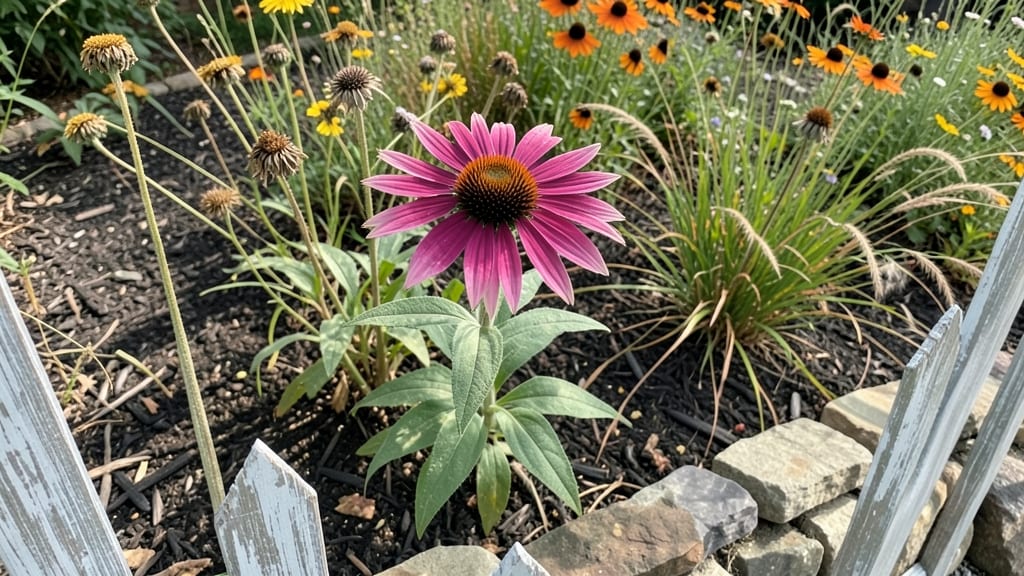
Wild Earth Gardens turn your yard into a thriving ecosystem where plants and wildlife coexist beautifully. 🌿 I stumbled upon this approach after watching my vegetable garden become a battleground between pests and plants—until I swapped neat rows for native wildflowers and shrubs.
The transformation was stunning: fewer pests, happier soil, and a garden that feels alive rather than manicured.
The magic happens through plant selection and layout. Instead of fighting nature, you work with it by choosing native species that attract beneficial insects, birds, and pollinators. Think goldenrod for late-season bees, milkweed for monarchs, or black-eyed Susans for vibrant summer color.
These plants thrive with minimal fuss—no fancy fertilizers or constant watering—because they’re perfectly adapted to your local climate.
What you’ll end up with is a garden that’s not just pretty but functional. The air hums with pollinators, the soil stays rich from natural decomposition, and your vegetables grow stronger because the ecosystem balances itself.
My tomatoes now produce more than ever, and the neighbors keep asking how I keep pests away—no secret, just smarter design.
This approach works for any space, from a tiny urban balcony to a sprawling backyard. Start small with a single wildflower patch or a native shrub, and watch how quickly your garden becomes a sanctuary.
The best part? It’s a living system that only gets better over time—no yearly overhauls needed.
📚 In This Guide
- What you need
- Instructions
- Tips and common mistakes
- Wrapping up and next steps
What you need
- ● Native plants: 5–10 species (e.g., milkweed, coneflowers, goldenrod) to attract pollinators and beneficial insects.
- ● Compost: 2–3 cubic yards (homemade or store-bought) to enrich soil naturally.
- ● Mulch: 1–2 bags of wood chips or straw to suppress weeds and retain moisture.
- ● Water source: Garden hose with adjustable nozzle or drip irrigation kit for efficient hydration.
- ● Garden gloves: 1 pair (heavy-duty for handling soil and plants).
- ● Pruners: 1 pair (bypass pruners for clean cuts).
- ● Measuring tape: 1 (for spacing plants accurately).
- ● Hand trowel: 1 (for transplanting seedlings).
- ● Soil test kit: 1 (to check pH and nutrient levels).
- ● Birdhouses/insect hotels: 2–3 (to encourage natural pest predators like ladybugs and birds).
- ● Beneficial nematodes: 1–2 packets (for targeting soil pests like grubs).
- ● Neem oil spray: 1 bottle (organic, for occasional pest deterrence).
- ● Rain gauge: 1 (to monitor watering needs).
Step-by-Step guide to creating a humane wild earth garden
Transform your garden into a thriving ecosystem without chemicals or harm.
🌱 Step 1: Design for Diversity and Shelter
Start by planning spaces that invite beneficial insects and wildlife. Include native flowering plants—like milkweed, coneflowers, and goldenrod—these attract pollinators while providing food for birds and butterflies. I always dedicate at least 20% of the garden to these species, even in small spaces.
Add layered plantings with tall, medium, and ground-cover varieties to create microhabitats. For example, place sunflowers or hollyhocks at the back, surrounded by lavender and thyme in the middle, with creeping thyme or clover at the front. This structure gives pests fewer opportunities to hide while offering shelter for beneficial predators like ladybugs and lacewings.
🪴 Step 2: Introduce Natural Predators
Purchase or attract beneficial insects such as ladybugs, lacewings, and parasitic wasps. These predators feed on common garden pests like aphids, mites, and caterpillars. Release them in the early morning or late evening when temperatures are cooler—between 60-75°F—to reduce stress on the insects.
Set up bird-friendly habitats by installing birdhouses, nesting boxes, and shallow water sources. Birds like chickadees and wrens hunt caterpillars and beetles, while bats (if you live in a suitable climate) can control mosquitoes and moths. Place birdhouses 5-10 feet off the ground and face the entrance away from prevailing winds.
☀️ Step 3: Use Companion Planting Strategies
Plant strong-smelling herbs like rosemary, sage, and mint near vulnerable plants to repel pests naturally. These herbs release aromas that deter insects without harming the environment. I also interplant marigolds around the garden edges—their bright flowers attract hoverflies, which prey on aphids and other soft-bodied pests.
Avoid monocultures; instead, mix vegetables and flowers in the same bed. For example, pair tomatoes with basil and nasturtiums. The basil deters whiteflies, while nasturtiums lure aphids away from your tomatoes. This approach disrupts pest life cycles and encourages biodiversity.
💧 Step 4: Maintain Healthy Soil and Water Wisely
Focus on soil health by adding compost and organic matter regularly. Healthy soil supports strong plant growth, making them less susceptible to pests. I top-dress garden beds with 2-3 inches of compost every spring and again in early fall. This also improves water retention, reducing the need for frequent irrigation.
Water plants early in the morning to allow foliage to dry quickly, discouraging fungal diseases and slugs. Use drip irrigation or soaker hoses to deliver water directly to the roots, minimizing moisture on leaves. Overhead watering can spread fungal spores and attract pests like slugs and snails.
✂️ Step 5: Monitor and Intervene Gently
Inspect plants weekly for signs of pest activity, focusing on the undersides of leaves and new growth. Early detection is key—remove affected leaves or pests by hand if possible. For example, I gently pluck aphid-infested leaves and drop them into soapy water (a mix of 1 tablespoon dish soap per gallon of water).
If pests persist, use neem oil or insecticidal soap as a last resort. Always apply these sprays in the evening to avoid harming bees and other pollinators. Neem oil disrupts the life cycle of pests like mites and whiteflies while being safe for the environment when used correctly.
Tips & tricks for perfect wild earth gardens
Creating a thriving, humane garden ecosystem takes a few thoughtful strategies that go beyond basic planting. Here's what I've learned from years of building gardens that actually work without chemicals.
Layered Plantings Pay Off: When designing your garden in Step 1, think vertically as well as horizontally. Tall sunflowers or hollyhocks at the back create shade that reduces evaporation while providing perches for birds. The middle layer with lavender and thyme acts as a natural pest barrier, and the ground cover like creeping thyme prevents weeds from taking over. This three-tier approach creates microclimates that support different beneficial species throughout the growing season.
Timing Matters for Beneficial Insects: The 60-75°F temperature range mentioned in Step 2 is critical when releasing beneficial insects. I've found that early morning releases work best because cooler temperatures reduce stress on the insects. If you're releasing ladybugs or lacewings, do it before 9 AM or after 6 PM. Also, avoid releasing them on windy days - the insects need time to orient themselves and find shelter in your garden.
Soil Health is Non-Negotiable: That 2-3 inches of compost you add in Step 4 isn't just about nutrients - it's about creating the right environment. I've seen gardens where homeowners added compost but didn't incorporate it properly, leading to poor water absorption. Work the compost into the top 6 inches of soil rather than just spreading it on top. This creates better root growth and makes your plants more resilient to pests naturally.
Companion Planting Secrets: The tomato-basil-nasturtium trio in Step 3 is just the beginning. I've found that adding a few extra companion plants can make an even bigger difference. For example, planting garlic around the perimeter deters many pests while improving soil health. And if you're growing brassicas like cabbage, try adding dill nearby - it attracts predatory wasps that eat cabbage worms. These small additions create a more balanced ecosystem.
Pro Tips for Wild Earth Gardens
- Creating a thriving, humane garden ecosystem takes a few thoughtful strategies that go beyond basic planting.
- Layered Plantings Pay Off: When designing your garden in Step 1, think vertically as well as horizontally.
- Timing Matters for Beneficial Insects: The 60-75°F temperature range mentioned in Step 2 is critical when releasing beneficial insects.
Frequently asked questions
Got questions about creating a wild earth garden? You’re not alone!
Here are some of the most common concerns—and practical answers—to help you get started with humane pest control that keeps your soil and plants thriving.
What are the easiest plants to start with in a wild earth garden?
Begin with native perennials, herbs, and resilient vegetables like marigolds, basil, or kale. These plants naturally repel pests, attract beneficial insects, and require minimal intervention. Pro tip: Avoid monocultures—diverse plantings confuse pests and support a balanced ecosystem!
How long does it take to see results from wild earth pest control?
Results vary, but you’ll notice a difference in 4–8 weeks as beneficial insects (like ladybugs or lacewings) establish themselves. Soil health improves faster with compost and mulch, reducing pests long-term. Patience is key—let nature rebuild its defenses!
What do I do if pests still show up despite my efforts?
Don’t panic! First, identify the pest (e.g., aphids vs. slugs) and adjust your approach. For soft-bodied bugs, introduce neem oil or insecticidal soap sparingly. For slugs, set up beer traps or copper barriers. Remember: Even "pests" have a role—remove only the problematic ones!
Is wild earth gardening more expensive than traditional methods?
Not at all! While initial setup (like mulch or native plants) may cost more upfront, it saves money long-term by reducing chemical inputs and water needs. Think of it as an investment in sustainable, low-maintenance gardening. Start small to test what works for your budget!
Can I combine wild earth methods with other gardening styles?
Wild earth principles complement organic, permaculture, or even container gardening. For example, add companion plants to your raised beds or use mulch in urban pots. The goal is harmony—adapt the philosophy to fit your space!
Wrapping up and next steps
Creating a Wild Earth Garden isn’t just about keeping pests at bay—it’s about fostering a thriving, balanced ecosystem where your plants and wildlife flourish. By embracing humane, nature-inspired solutions, you’re nurturing healthier soil, stronger crops, and a harmonious outdoor space. 🌱
Ready to transform your garden? Start small—pick one technique from this guide and observe the changes. Over time, you’ll see how a little patience and creativity can yield big rewards for both your plants and the creatures that call your garden home.