
Companion Plants
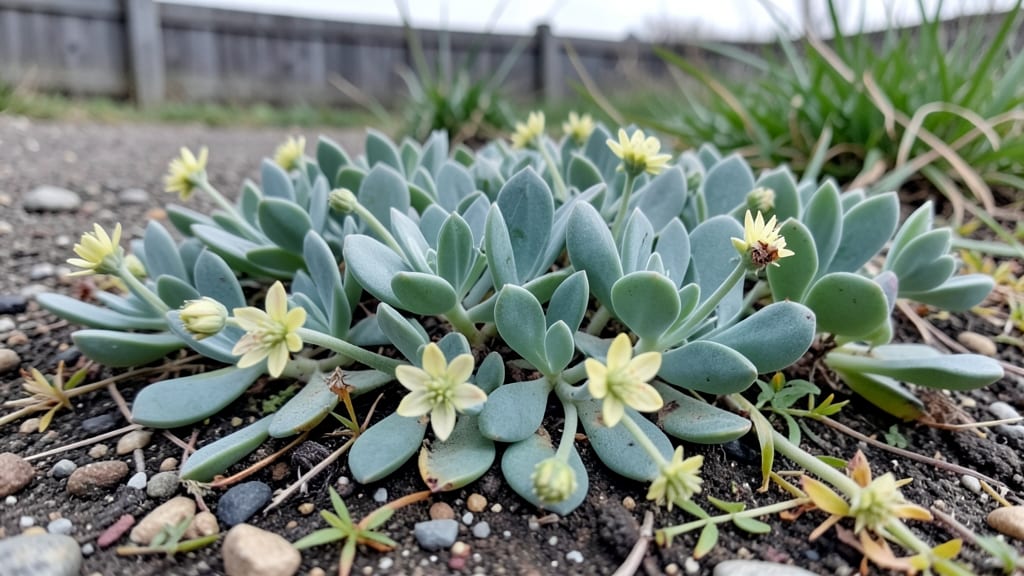
Creating a gravel garden starts with the right plants—ones that thrive in dry, well-draining soil with minimal fuss. 🌿 I’ve designed my own gravel garden over the past three years, and the secret lies in pairing drought-resistant plants with the right spacing and gravel type.
The result? A landscape that stays lush even when summer skips the rain.
The best gravel garden plants include succulents like sedum and sempervivum, which store water in their leaves, plus hardy perennials like lavender and Russian sage. These thrive in 60-70°F temperatures and need watering only every 2-3 weeks once established.
Pair them with 1-2 inches of sharp-edged gravel to prevent soil compaction and encourage drainage.
You’ll end up with a garden that’s shockingly low-maintenance yet stunning—think silvery foliage, deep purples, and soft blues that pop against the gravel’s neutral tones. The key is grouping plants by water needs and using gravel to reflect sunlight, keeping roots cooler.
Plus, weeds struggle to take hold in this setup.
This design works for sunny patios, slopes, or even urban rooftops where water conservation matters. The same principles apply whether you’re using pea gravel, decomposed granite, or crushed stone. Let’s get your gravel garden looking effortlessly polished!
📚 In This Guide
- What you need
- Instructions
- Tips and common mistakes
- Wrapping up and next steps
What you need
- ● Gravel: 3–4 inches of pebbles (¾–1 inch in diameter) (e.g., decomposed granite, river rock, or lava rock). Calculate ~1.5 cubic feet per square foot of garden area.
- ● Soil: Well-draining mix (e.g., 60% native soil + 30% coarse sand + 10% perlite or pumice). Aim for 2–3 inches over a weed barrier.
- ● Weed Barrier Fabric: Landscape fabric (3–4 mm thick) to suppress weeds without smothering plants.
- ● Drought-Tolerant Plants: 3–5 perennial or succulent varieties (e.g., sedum, lavender, yarrow, or ornamental grasses). Check local climate zones!
- ○ Mulch (Optional): Fine gravel or bark chips (½ inch layer) to retain moisture and enhance aesthetics.
- ● Garden shovel or spade
- ● Rake (for leveling gravel)
- ● Wheelbarrow (for hauling materials)
- ● Gloves & knee pads (because comfort matters!)
- ● Measuring tape & string (for layout precision)
- ● Watering can or hose with a gentle spray nozzle
Step-by-Step guide to designing a stunning gravel garden
Here's how to create a drought-resistant, low-maintenance landscape that thrives with minimal effort.
🪴 Step 1: Select the Right Drought-Resistant Plants
Choose plants that naturally thrive in dry conditions and complement your garden's aesthetic. For a 4-plant gravel garden, I recommend a mix of sedum (for texture), lavender (for fragrance), yarrow (for bold foliage), and Russian sage (for height and color). These varieties handle heat and drought beautifully while requiring almost no supplemental water once established.
Look for native species in your region—they'll need the least care. Avoid plants with thick, lush foliage like hostas or ferns; they'll wilt quickly in gravel. Instead, focus on succulents, ornamental grasses, and drought-tolerant perennials that store water efficiently in their leaves and roots.
💧 Step 2: Prepare the Soil and Base Layer
Start by clearing the area of weeds and grass, then loosen the soil to a depth of 6-8 inches using a shovel or garden fork. This ensures roots can penetrate easily. Next, spread a 2-inch layer of coarse gravel (like decomposed granite) over the entire area. This layer improves drainage and prevents soil compaction, which is critical for drought-resistant plants.
For a 4-plant garden, a 3-foot by 3-foot area works well. After laying the gravel base, add a 1-inch layer of sharp sand to create a stable foundation. This prevents the gravel from sinking into the soil over time. Water the area lightly to settle everything before planting.
☀️ Step 3: Plant and Space for Optimal Growth
Dig holes twice as wide and just as deep as the root balls of your plants. Space them according to their mature size—18-24 inches apart for most perennials. For example, lavender needs 18 inches of space, while Russian sage can handle 24 inches. Place each plant in its hole, ensuring the top of the root ball sits just below the soil line—burying too deep can suffocate roots.
Backfill with a mix of native soil and compost (about 1 part compost to 3 parts soil) to encourage root establishment. Water deeply right after planting to help the soil settle and eliminate air pockets. Avoid overwatering, though—gravel gardens thrive on infrequent, deep watering rather than frequent shallow waterings.
✂️ Step 4: Add Gravel and Mulch for Long-Term Care
Once plants are in the ground, spread a 2-3 inch layer of decorative gravel (like pea gravel or small river rocks) around and slightly over the root zones. This helps retain moisture near the roots while keeping the soil surface dry, which prevents fungal diseases. Avoid piling gravel directly against plant stems—leave a 1-2 inch gap to prevent rot.
For a polished look, use gravel in complementary colors to your plants. For example, light gray gravel pairs well with lavender and silver foliage plants, while darker gravel contrasts beautifully with deep purple blooms. Water lightly after adding gravel to settle it into place, then let nature take its course.
🌿 Step 5: Maintain with Minimal Effort
Gravel gardens require almost no maintenance once established. Water deeply once every 2-3 weeks during the first growing season to help roots establish, then taper off to once a month in the second year. Prune spent blooms in early spring to encourage new growth, and remove any weeds that pop up—gravel makes it easy to spot and pull them before they take hold.
Fertilize lightly in early spring with a slow-release, low-nitrogen fertilizer (like a 5-10-5 blend) to support growth without encouraging excessive foliage. Over time, your gravel garden will become a self-sustaining ecosystem where plants thrive with minimal intervention. Enjoy the beauty without the upkeep!
Tips & tricks for perfect gravel garden planting
Creating a stunning gravel garden isn't just about choosing the right plants—it's about understanding how to maximize their drought-resistant potential while enhancing their natural beauty.
Plant Selection Strategy: When selecting your 4-plant gravel garden, prioritize plants with similar water needs to create a cohesive ecosystem. For example, pair sedum and yarrow together—they both thrive in dry conditions and complement each other's textures beautifully. Russian sage's deep roots help break up compacted soil, benefiting all nearby plants. I always check each plant's mature height at the nursery to ensure they'll fit comfortably in their 18-24 inch spacing.
Soil Preparation Insight: The 6-8 inch soil loosening in Step 2 is crucial for root penetration, but don't overlook the importance of removing all weeds first. I use a garden fork to gently lift weeds with their roots intact—this prevents regrowth and gives your drought-resistant plants a clean slate. For the 2-inch gravel base, I recommend using decomposed granite because its angular shape creates better drainage than smooth river rocks.
Planting Technique Tip: When creating those twice-as-wide holes in Step 3, I make them slightly deeper than specified and add a handful of compost to the bottom. This gives roots extra room to establish downward while benefiting from the compost's nutrients. For the 1 part compost to 3 parts soil mix, I measure by volume rather than weight—this ensures consistent moisture retention without making the soil too dense.
Long-Term Maintenance Hack: The 2-3 inch decorative gravel layer in Step 4 serves multiple purposes beyond aesthetics. I always leave that 1-2 inch gap around stems to prevent rot, but I also create small gravel mounds around each plant's base. These mounds help direct rainwater toward the roots while keeping the soil surface dry. For color coordination, I match gravel tones to the plants' foliage—silver-blue gravel with lavender creates a stunning contrast that lasts all season.
Pro Tips for Gravel Garden Plants
- Creating a stunning gravel garden isn't just about choosing the right plants—it's about understanding how to maximize their drought-resistant potential while enhancing their natural beauty.
- Plant Selection Strategy: When selecting your 4-plant gravel garden, prioritize plants with similar water needs to create a cohesive ecosystem.
- Soil Preparation Insight: The 6-8 inch soil loosening in Step 2 is crucial for root penetration, but don't overlook the importance of removing all weeds first.
Frequently asked questions
Got questions about creating a stunning gravel garden?
You’re not alone! Here are some of the most common queries—plus straightforward answers to help you design with confidence.
What are the best low-maintenance plants for a gravel garden?
Stick with drought-tolerant, shallow-rooted perennials like sedum, lavender, orice, and ornamental grasses. Succulents (e.g., echeveria) thrive too! Avoid heavy feeders like roses—they’ll compete for moisture in gravel.
How long does it take for a gravel garden to establish?
Most gravel gardens show visible progress in 3–6 months, but full maturity (especially for perennials) takes 1–2 years. Focus on mulching and watering deeply during the first year to help roots establish.
Do gravel gardens need irrigation?
Yes! While gravel reduces evaporation, new plants still need regular watering (every 2–3 days for the first month, then weekly). Once established, drip irrigation or soaker hoses work best to keep roots hydrated without overwatering.
Can I mix gravel with soil in my garden?
A 50/50 mix of gravel and amended soil (add compost) improves drainage while retaining moisture. For slopes or sandy soil, use larger gravel (1–2 inches) to prevent erosion and encourage deep root growth.
How do I keep pests away from gravel gardens?
Gravel deters many pests, but aphids, snails, and slugs can still appear. Use diatomaceous earth for crawling pests or introduce beneficial nematodes. Plant marigolds or garlic chives as natural repellents!
Will gravel gardens survive winter?
Yes! Most gravel plants are hardy in zones 4–10. Mulch around bases with 3–4 inches of straw or shredded leaves to protect roots. Avoid heavy mulch on top of gravel—it can smother plants.
Wrapping up and next steps
Creating a gravel garden is all about blending drought-resistant beauty with effortless charm—no green thumb required! 🌵 With the right plants like lavender, sedum, or ornamental grasses, you’ll enjoy a stunning, low-maintenance space that thrives on minimal water and care.
The key? Start small, experiment boldly, and let nature do the work!
Ready to transform your outdoor space? Pick 2-3 plants from this guide, sketch a simple layout, and dive in! Your future self (and your water bill) will thank you. 🌸✨