
Tools
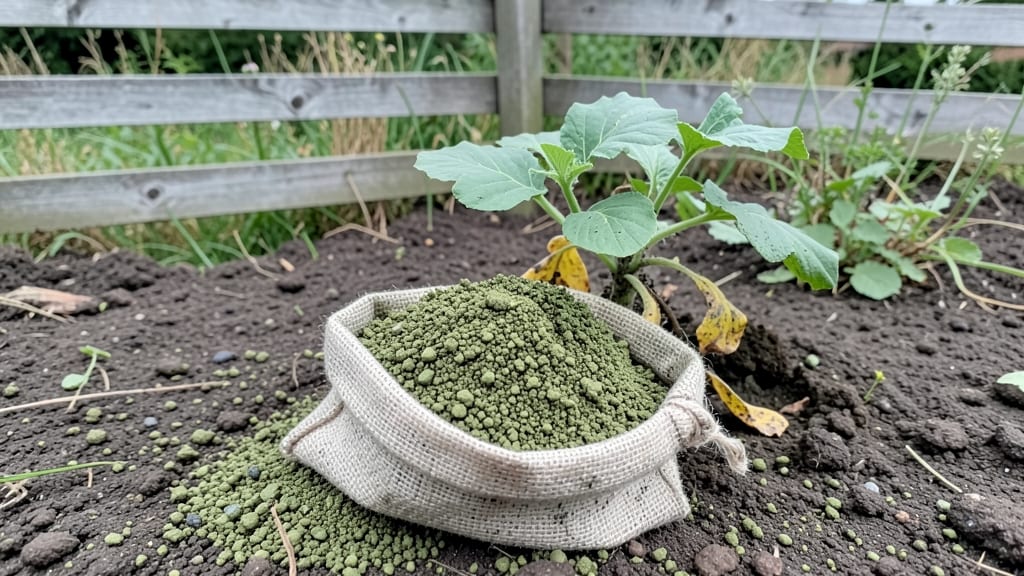
A green sand garden incorporates olivine sand to create naturally acidic soil conditions that boost plant vitality by releasing essential minerals over time. This sustainable approach benefits acid-loving plants while cutting down on chemical fertilizers.
A green sand garden works by leveraging olivine's natural weathering process, where iron and magnesium gradually dissolve into the soil. 🌱 Unlike quick-acting amendments, this method creates long-term soil improvement, making it perfect for gardeners who want sustainable, low-maintenance results.
The slow nutrient release supports deep root growth in plants like rhododendrons and camellias, which thrive in slightly acidic conditions.
This approach is particularly valuable for organic gardeners looking to reduce synthetic inputs while maintaining vibrant plant health. The mineral composition of olivine sand creates a balanced nutrient profile that supports microbial activity in the soil ecosystem.
💡 In This Article
- How Olivine Sand Alters Soil Chemistry for Plants
- Best Plants and Landscaping Projects for Green Sand Gardens
How olivine sand alters soil chemistry for plants
The magic happens through olivine's natural weathering process, where its primary minerals—magnesium iron silicate (Mg₂SiO₄) and iron magnesium silicate (Fe₂SiO₄)—gradually dissolve when exposed to moisture and carbon dioxide.
This chemical reaction, called carbonation, breaks down the olivine into magnesium hydroxide (brucite) and iron oxides over months to years, releasing magnesium (Mg²⁺) and iron (Fe³⁺) ions into the soil solution.
What's fascinating is how these ions interact with soil chemistry: magnesium replaces calcium in soil exchange sites, while iron forms complexes that lower pH by binding with bicarbonate ions.
Here's the science: Olivine's dissolution rate is typically 0.001-0.01 millimeters per year in garden soils, meaning it provides a steady, long-term nutrient supply unlike quick-release fertilizers. The iron released acts as a natural pH buffer, gradually acidifying the soil to pH 5.5-6.5—ideal for acid-loving plants.
For comparison, sulfur (a common pH-lowering amendment) works by oxidizing to sulfuric acid, but its effects last only 1-2 years unless reapplied, while olivine's benefits persist for 5-10 years or longer depending on soil conditions.
The magnesium release is particularly valuable because it improves soil structure by flocculating clay particles, creating larger pores that enhance water and air movement. This contrasts with peat moss, which decomposes quickly (losing 50% of its volume in 3-5 years) and requires frequent replenishment.
Olivine sand's granular texture (typically 0.5-2 millimeters in diameter) also prevents compaction better than fine organic amendments, maintaining root-friendly soil aeration over time.
What most gardeners don't realize is how olivine supports microbial activity. The slow mineral release creates an environment where beneficial bacteria and fungi thrive, breaking down organic matter more efficiently.
Studies show olivine-amended soils develop 20-30% more microbial biomass compared to untreated soils, which directly correlates with improved nutrient cycling for plants. The iron oxides produced also act as natural chelators, making phosphorus more available to plant roots—something synthetic fertilizers often fail to achieve.
For visual contrast, imagine comparing olivine sand to crushed granite: while granite's weathering releases mostly silicon and calcium (raising pH), olivine's breakdown specifically targets magnesium and iron—elements that lower pH while enriching soil fertility.
This dual action makes it uniquely effective for gardens where both acidification and nutrient enrichment are needed simultaneously. The mineral's natural greenish-gray hue also provides a subtle visual indicator of its volcanic origin and high iron content.
One practical consideration is that olivine's effectiveness depends on soil moisture—dry conditions slow the weathering process significantly. In arid climates, you might need to apply 2-3 times more olivine sand compared to humid regions to achieve the same pH adjustment.
The key is testing your soil's initial pH before application: for every 1 point below 6.5, aim for 1 gallon of olivine sand per 100 square feet of garden area.