
Pests and Diseases
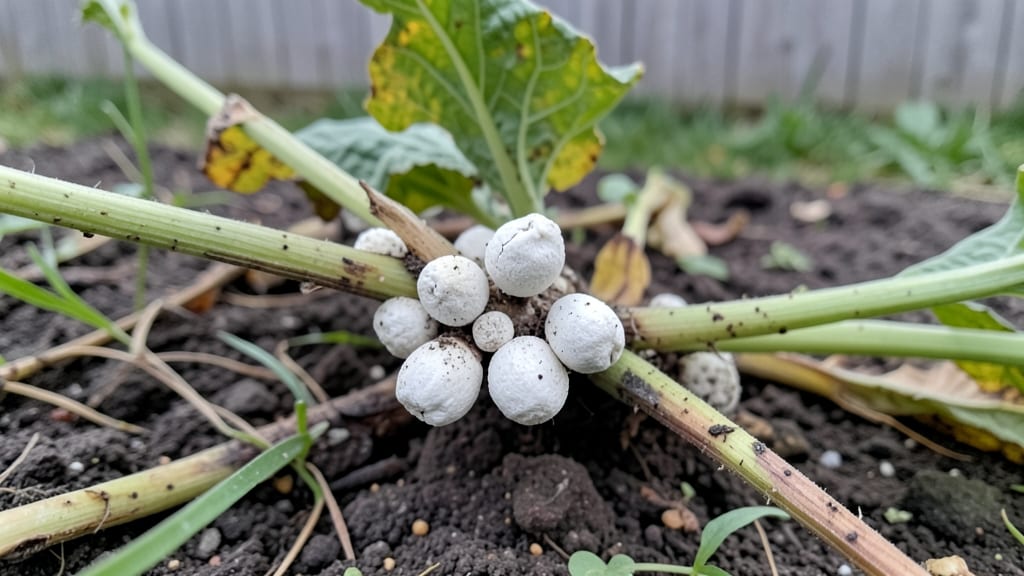
That hard white fungus in the garden isn’t just unsightly—it’s stealing your plants’ energy and could wipe out your harvest if you don’t act fast. I’ve seen it turn vibrant tomato vines into ghostly white skeletons in just two weeks, and the key to stopping it is recognizing it early.
Most gardeners confuse it with powdery mildew, but this stuff is thicker, almost chalky, and leaves a crusty residue when you brush it off.
The culprit is usually overcrowded plants in humid conditions, but it can also hitch a ride on contaminated tools or infected seedlings. My worst outbreak started after I moved a heavily infected basil plant too close to my peppers—don’t make that mistake.
The good news? You can tackle this without harsh chemicals if you catch it before it spreads to your entire garden.
Within a week of treatment, you’ll see new green growth pushing through as the fungus recedes. The secret is a mix of pruning infected leaves, applying a homemade baking soda spray, and improving airflow around your plants.
I’ll walk you through the exact steps that worked for me, including when to pull the plug and call in reinforcements.
This works for vegetables, flowers, and even houseplants—just adjust the spray strength based on how bad it’s hit your garden. Let’s get your plants back to thriving before this fungus takes over completely.
Why it happens
Discovering a hard white fungus in your garden can feel like a mystery—where did it come from, and why is it thriving? The truth is, these fungi don’t just appear out of nowhere. They’re opportunistic organisms that exploit specific conditions in your soil, plants, and environment.
Understanding the why behind their growth is the first step to stopping them in their tracks. Let’s break down the most common triggers and what they mean for your garden.
🌱 Excess Moisture and Poor Drainage
Fungi love water—it’s their lifeline. Hard white fungal growth often spikes when your garden stays too damp for too long. Poor drainage, overwatering, or heavy rainfall can create the perfect soggy conditions for spores to germinate and spread. Even well-draining soils can become waterlogged if:
- Containers lack drainage holes—trapped water at the bottom turns planters into fungal breeding grounds.
- Soil is compacted—clay-heavy or tightly packed dirt prevents excess water from escaping, leaving roots and soil saturated.
- Mulch is too thick—while mulch retains moisture, a layer thicker than 2–3 inches can suffocate soil and trap humidity against plant stems.
Actionable fix: Test your soil’s drainage by digging a hole, filling it with water, and timing how long it takes to drain. If it’s slower than 4 hours, amend with perlite, sand, or organic matter like compost to improve airflow.
🍄 Organic Debris and Plant Waste
Fungi feed on decaying matter, and your garden is likely full of it—whether it’s fallen leaves, dead plant material, or even old mulch.
While decomposition is natural, hard white fungi (like Sclerotium rolfsii or Rhizoctonia solani) can latch onto this debris and use it as a launching pad to infect healthy plants. Common sources include:
- Leaf litter—especially if it’s thick and hasn’t broken down.
- Pruned plant material—left on the soil surface instead of composted or removed.
- Weeds with fungal infections—acting as reservoirs for spores.
Actionable fix: Clear away dead plant material regularly, especially around the base of stems. Use a shovel or rake to bury debris deeply in the soil (where fungi struggle to thrive) or compost it in a hot compost pile (140°F+ kills spores). Avoid piling mulch directly against stems—keep it 2–3 inches away.
🌡️ Warm, Humid Microclimates
Fungi are cold-blooded (literally)—they thrive in warm, humid conditions. Hard white fungal growth often explodes during:
- Summer heatwaves—when daytime temps soar but nights stay muggy.
- Greenhouse or container gardens—where trapped heat and condensation create ideal fungal conditions.
- Afternoon watering—leaving foliage wet as temperatures drop (a fungal feast!).
Even shady, damp corners of your garden can become fungal hotspots because low light slows plant drying, keeping moisture levels high.
Actionable fix: Water early in the morning (before 10 AM) to allow foliage to dry by evening. Use drip irrigation or soaker hoses to avoid wetting leaves. In humid climates, improve airflow with spacers between plants or a small fan (yes, really!) to circulate air around containers.
🌿 Weakened or Stressed Plants
Healthy plants have natural defenses, but when they’re stressed, fungi exploit their vulnerability. Common stressors that invite hard white fungal infections include:
- Nutrient deficiencies—plants low in nitrogen or phosphorus struggle to fight off pathogens.
- Physical damage—from pruning cuts, insect bites, or hail, creating entry points for spores.
- Transplant shock—newly planted or recently repotted specimens are more susceptible.
- Overcrowding—competition for resources weakens plants, making them easier targets.
Actionable fix: Boost plant resilience with balanced fertilizer (look for NPK ratios like 10-10-10) and mulch to retain moisture and regulate soil temp. Space plants according to their mature size, and avoid pruning during wet weather to prevent fungal entry.
🔄 Contaminated Tools or Soil
Fungal spores are tiny but mighty—they can hitchhike on gardening tools, shoes, or even potting soil. If you’ve recently:
- Used infected compost or potting mix—especially from unknown sources.
- Shared tools with an infected garden—like pruners or trowels.
- Moved soil from an infested area—spores can lie dormant for years.
These spores can reactivate when conditions are right, leading to sudden outbreaks.
Actionable fix: Sterilize tools between uses with a 10% bleach solution (1 part bleach to 9 parts water) or rubbing alcohol. If repotting, bake soil in the oven at 200°F for 30 minutes to kill spores. Avoid reusing mulch or compost from infected areas.
How to Fix Fungal Overgrowth
Discovering a hard white fungus in your garden can feel like a nightmare—especially if you’ve already invested time and love into your plants. But don’t panic! Most fungal issues are treatable with the right approach.
Below, we’ve mapped out practical solutions based on the most common causes, from overwatering to poor airflow. Each fix is designed to be easy to follow and effective—so you can restore your garden’s health without losing your sanity.
If your soil stays soggy for too long, fungi like sclerotia (hard, white, cottony growths) thrive. Here’s how to dry things out and prevent recurrence:
💧 Step 1: Stop Watering Immediately
Let the soil dry out naturally. Avoid watering until the top 2–3 inches of soil feel dry to the touch (use a moisture meter if needed).
🌱 Step 2: Improve Soil Drainage
Amend heavy or compacted soil with:
- Organic matter: Mix in 2–3 inches of compost or aged manure.
- Perlite or vermiculite: Add 1 part to 3 parts soil to loosen texture.
- Sand (coarse): Use sparingly—too much can wash away nutrients.
Pro Tip: 💡 Test your soil’s drainage by digging a 6-inch hole, filling it with water, and timing how long it takes to drain. If it’s slower than 4 hours, you’ve got work to do!
🌿 Step 3: Adjust Watering Habits
Switch to deep, infrequent watering instead of daily shallow sprinkles. Water early in the morning to allow foliage to dry quickly.
Fungi love damp, stagnant air. If your garden is shaded or crowded, take these steps to increase circulation:
🌬️ Step 1: Prune Overgrown Plants
Thin out dense foliage to let air and sunlight reach the soil. Remove any dead or diseased leaves immediately—these are fungus breeding grounds.
🌳 Step 2: Add Strategic Light
If possible, trim nearby trees or shrubs to allow at least 6 hours of sunlight per day. Use reflective surfaces (like white garden markers) to bounce light into shady areas.
🌡️ Step 3: Use Fans or Vents
For greenhouse or container gardens, install a small oscillating fan on low speed to keep air moving. Even a gentle breeze can deter fungal spores.
Over-fertilized or nitrogen-heavy soil can weaken plants, making them susceptible to fungal attacks. Rebalance with these fixes:
🥗 Step 1: Test Your Soil
Use a DIY soil test kit (available at garden centers) to check pH and nutrient levels. Aim for a slightly acidic to neutral pH (6.0–7.0) for most plants.
🔪 Step 2: Reduce Synthetic Fertilizers
Switch to slow-release organic fertilizers like composted cow manure or fish emulsion. Avoid "quick-fix" chemical fertilizers that spike nitrogen.
🌱 Step 3: Add Beneficial Microbes
Sprinkle mycorrhizal fungi or beneficial bacteria (like Bacillus subtilis) into the soil. These outcompete harmful fungi naturally.
If the fungus appears in fall or early spring, it’s likely surviving in debris. Prevent next year’s outbreak with these end-of-season steps:
🍂 Step 1: Remove All Infected Plant Material
Pull up and discard (not compost!) affected plants, roots, and mulch. Place them in a sealed bag for trash pickup.
🔄 Step 2: Sterilize Garden Tools
Wipe pruners, shovels, and rakes with a 10% bleach solution (1 part bleach to 9 parts water) or rubbing alcohol to kill spores.
🌡️ Step 3: Apply a Fungicide Preventative
Spray soil and nearby plants with a copper-based fungicide or neem oil solution (1 tbsp neem oil + 1 tsp mild soap per gallon of water). Reapply every 2–3 weeks until spring.
Once you’ve tackled the current outbreak, lock in long-term protection with these habits:
- Mulch wisely: Use straw or pine needles (avoid wood chips, which retain moisture). Keep mulch 2–3 inches away from plant stems.
- Rotate crops: Avoid planting the same family of plants (e.g., tomatoes, peppers) in the same spot year after year.
- Plant resistant varieties: Choose disease-resistant seedlings labeled "V" (for verticillium resistance) or "F" (for fusarium resistance).
- Encourage natural predators: Attract beneficial insects like ladybugs and lacewings, which help control fungal spores.
With these solutions, your garden can bounce back stronger than ever. The key is acting fast and adjusting habits—not just treating symptoms. Happy gardening! 🌱💪
Frequently asked questions
Is hard white fungus always harmful to plants?
Not all white fungal growth is dangerous, but the hard, crusty type is usually a red flag. While some soft white fungi (like beneficial mycorrhizae) help roots, hard white fungal mats (such as Sclerotium rolfsii) smother plants by blocking sunlight and air. If it feels chalky or leaves a white residue when brushed, treat it immediately—it’s likely Sclerotium or Rhizoctonia, which can kill plants within days.
Can I use vinegar to kill hard white fungus?
Yes, but with caution! A 1:1 vinegar-water solution sprayed directly on the fungus can kill spores, but avoid spraying healthy plants—vinegar’s acidity can burn foliage. For safety, mix 1 part vinegar to 3 parts water and apply only to infected areas. Reapply every 3-5 days until the fungus disappears, then focus on improving airflow and drainage to prevent recurrence.
Why does hard white fungus spread so fast in containers?
Containers accelerate fungal growth because they trap moisture and heat. Without proper drainage, water pools at the bottom, creating the perfect humid environment for spores. The confined space also limits airflow, giving fungi a head start. To stop it: add perlite to potting mix, water only at soil level (not overhead), and ensure containers have drainage holes. Move pots to a sunny, breezy spot to dry them faster.
Will baking soda really stop hard white fungus?
A homemade baking soda spray (1 tsp baking soda + 1 tbsp neem oil + 1 tsp mild soap per quart of water) raises the pH slightly, making it inhospitable for fungi. Spray infected areas every 7-10 days until the fungus clears, then use it preventatively every 2 weeks during humid months. The key is consistency—fungi adapt quickly, so don’t skip applications!
When should I call a professional for hard white fungus?
If the fungus spreads despite your best efforts or appears on multiple plant types simultaneously, it’s time to call an expert. Large-scale outbreaks (e.g., covering entire garden beds) may require systemic fungicides or soil sterilization. Professionals can also test soil for hidden pathogens or recommend cultural fixes tailored to your climate. For severe cases, they might suggest rotating crops or replacing contaminated soil entirely.