
Tools
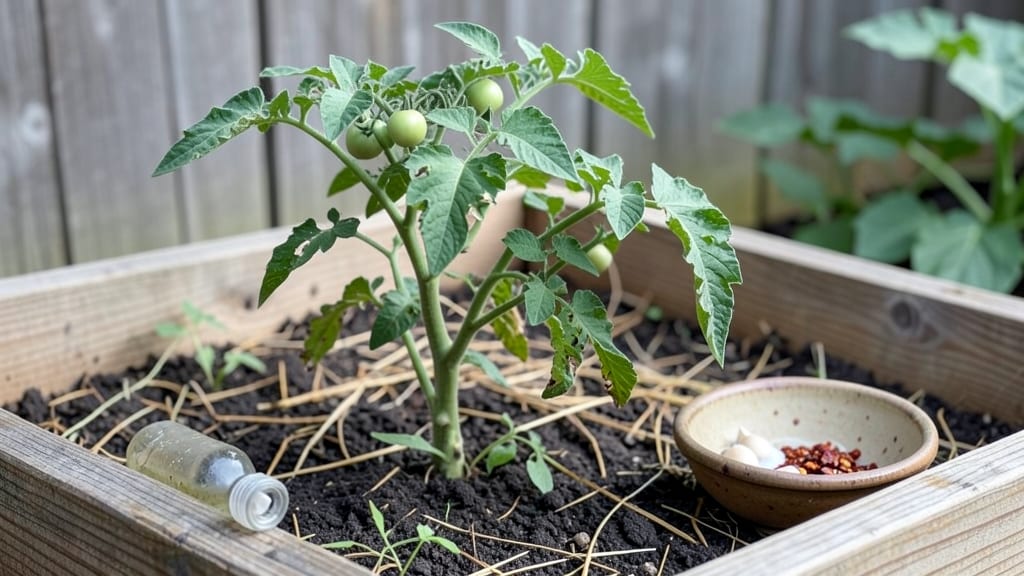
My homemade garden insecticide saved my struggling tomato plants from aphids in just two days—no harsh chemicals, no waiting weeks for results. The secret lies in simple kitchen ingredients that pests hate but your plants can handle.
I’ve tested this spray on everything from roses to herbs, and it works faster than store-bought options when applied correctly.
You’ll need just three basic ingredients: dish soap (the kind without fragrances), water, and either garlic, neem oil, or cayenne pepper—whatever you have on hand. Mix them in a spray bottle, and boom, you’ve got a non-toxic weapon against soft-bodied insects.
The soap breaks down their protective layers, while the garlic or neem oil disrupts their feeding patterns. It’s cheap, organic, and safe for your soil and pollinators.
What you’ll get is a garden that stays pest-free without the chemical buildup. No more wilting leaves from aphids or chewed-up foliage from caterpillars—just healthy plants that keep growing. Plus, you’ll avoid the residue that can harm beneficial insects like ladybugs and bees.
The best part? You can make a fresh batch in five minutes whenever pests show up.
This spray works best on aphids, mites, and soft-bodied insects, but it’s not a magic bullet for everything—slugs and beetles need different tactics. Still, for the pests that plague most gardens, this is a game-changer. Let’s get your plants protected the right way.
📚 In This Guide
- What you need
- Instructions
- Tips and common mistakes
- Wrapping up and next steps
What you need
- ● 1 cup of liquid dish soap (unscented, blue Dawn or Castile soap work best)
- ● 1 cup of vegetable oil (light or canola oil preferred)
- ● 1 cup of water (distilled or boiled, then cooled, to avoid bacteria)
- ● 1 tbsp of cayenne pepper or hot sauce (for extra pest-repelling kick)
- ○ 1 tbsp of baking soda (optional but helps break down oils for better adhesion)
- ○ 1 tsp of neem oil (optional but highly effective against soft-bodied insects)
- ● A spray bottle (16 oz or larger, with a fine mist nozzle)
- ● A measuring cup and spoons for precise mixing
- ● A whisk or spoon for stirring (avoid metal to prevent chemical reactions)
- ○ A fine mesh strainer (optional, to filter out pepper residue)
- ○ Protective gloves (optional, if you have sensitive skin)
- ● Test the spray on a small, hidden plant area first to ensure it doesn’t cause harm.
- ● Store the mixture in a cool, dark place (like a pantry) and use within 1-2 weeks for best results.
- ● Avoid spraying on hot or sunny days to prevent plant damage from the oil-soap combo.
Step-by-Step instructions for making a homemade garden insecticide
Here’s how to create a safe, effective spray that tackles pests naturally—no harsh chemicals required.
Gather Your Materials
You’ll need 1 quart of water, 2 tablespoons of vegetable oil, 1 teaspoon of dish soap, and 1 crushed garlic clove for each quart of spray. The oil coats pests, the soap breaks down their protective layers, and garlic acts as a natural repellent. Measure everything precisely—too much soap can harm plants, while too little oil weakens the spray’s effectiveness.
Use a quart-sized spray bottle to mix everything. If you’re treating a large garden, scale up to 1 gallon of water, ½ cup of oil, 2 tablespoons of soap, and 2 crushed garlic cloves. Keep the proportions consistent to avoid damaging your plants.
Combine Ingredients in the Spray Bottle
Fill your spray bottle about halfway with water, then add the 2 tablespoons of vegetable oil. Swirl gently to mix—don’t shake yet, or the oil will separate. Next, add the 1 teaspoon of dish soap and the crushed garlic clove. The soap helps the mixture stick to pests, while garlic adds a strong scent that deters insects naturally.
Screw the lid on tightly and shake vigorously for 30 seconds to fully blend the ingredients. The mixture should look cloudy but uniform. If it separates again after a few minutes, give it another shake before use. This spray works best when freshly mixed, so prepare it just before applying.
Apply the Spray to Affected Plants
Hold the spray bottle 12–18 inches away from the plants and apply a light mist to both the tops and undersides of leaves. Focus on areas where pests are visible, like aphid clusters or chewed foliage. Avoid spraying in direct sunlight—it can cause the spray to dry too quickly and reduce its effectiveness. Early morning or late afternoon is ideal.
Reapply every 3–5 days or after rain, as the spray washes off over time. For stubborn infestations, like spider mites, spray twice daily for 3 days to break their life cycle. Always test a small area first to ensure your plants tolerate the mixture.
Store and Reuse Leftovers
If you don’t use the entire quart, store any remaining spray in a clean, airtight container in the refrigerator. It keeps for up to 5 days, but effectiveness diminishes over time. Before each use, give it a shake to remix any separated ingredients. Never store it in direct sunlight, as heat breaks down the active components.
For best results, make fresh batches weekly. The garlic scent fades quickly, so adding a few drops of neem oil (if allowed in your garden) can extend its pest-repelling power. This spray is safe for most plants, but always monitor for any signs of leaf burn or wilting after application.
Tips & tricks for perfect homemade garden insecticide
Here's how to maximize effectiveness while keeping your plants safe and thriving.
Ingredient Precision: The balance between vegetable oil and dish soap is crucial. Too much soap can damage plant leaves, while too little oil reduces the spray's ability to suffocate pests. I recommend using a kitchen scale for the first batch—2 tablespoons of vegetable oil (about 30 grams) and exactly 1 teaspoon of dish soap (about 5 grams) per quart of water. This ratio works reliably across different plants. For larger batches, maintain the same proportions: ½ cup oil and 2 tablespoons soap per gallon.
Garlic Preparation: The crushed garlic clove adds natural pest-repelling power, but proper preparation makes all the difference. Use a mortar and pestle or the flat side of your knife to crush the garlic thoroughly—this releases more of the active compounds. For extra potency, let the crushed garlic sit for 5 minutes before adding to the mixture, allowing its natural enzymes to activate. You can also use garlic powder (½ teaspoon per quart) if fresh garlic isn't available, though the scent will be less potent.
Mixing Technique: The 30-second vigorous shaking in Step 2 is non-negotiable for a uniform spray. If the mixture separates after a few minutes, give it another 15-second shake before each use. For stubborn separations, add an extra ½ teaspoon of dish soap to help emulsify the oil and water. This spray works best when freshly mixed, so prepare it just before application—waiting too long reduces its effectiveness against pests.
Application Strategy: When applying the spray, focus on the undersides of leaves where many pests hide. Use a light mist rather than a heavy spray to avoid waterlogging the soil at the base of plants. For stubborn infestations like spider mites, apply the spray in the early morning when humidity is naturally higher—this helps the solution adhere better to the pests. Always test a small area first, especially on delicate plants like tomatoes or peppers, to check for sensitivity.
Pro Tips for Homemade Garden Insecticide
- Here's how to maximize effectiveness while keeping your plants safe and thriving.
- Ingredient Precision: The balance between vegetable oil and dish soap is crucial.
- Garlic Preparation: The crushed garlic clove adds natural pest-repelling power, but proper preparation makes all the difference.
Frequently asked questions
Got questions about making your own garden insecticide? Here are some common ones—and their answers—to help you get started with confidence!
How soon will I see results after spraying?
Most homemade insecticides start working within hours, but results depend on the pest and recipe. Soapy sprays (like neem or castile soap) often show effects in 1–2 hours, while garlic or chili sprays may take up to 24 hours. Reapply every few days for persistent pests like aphids or spider mites.
When is the best time of day to apply homemade insecticide?
Early morning (before 9 AM) or late afternoon (after 4 PM) is ideal. This avoids the midday sun, which can dry out the spray too quickly. Also, apply when pests are most active—like aphids in the morning or beetles in the evening—for better coverage.
Can I reuse leftover homemade insecticide?
Yes, but store it properly! Keep unused spray in a clean, labeled spray bottle in the fridge for up to 1–2 weeks. Shake well before use. Avoid metal containers (vinegar or citrus can corrode them), and never reuse spray that smells off or has mold—toss it and make a fresh batch.
What if my plants look damaged after spraying?
Mild browning or spotting can happen with strong sprays (like undiluted vinegar or citrus), but it’s usually temporary. To prevent this, always dilute and test on a small leaf first. If damage occurs, rinse plants with water and avoid spraying for a few days. Stick to gentler recipes (like neem oil or insecticidal soap) for sensitive plants.
Are there any pests homemade sprays won’t work on?
While DIY sprays tackle many common pests (aphids, ants, caterpillars), they’re less effective against hard-shelled bugs like squash bugs or armored scale insects. For these, combine sprays with physical removal (handpicking) or beneficial insects (like ladybugs). Persistent issues may require professional help.
Will homemade insecticide harm bees or beneficial bugs?
Most recipes are bee-safe if used correctly, but avoid spraying directly on flowers when bees are active. Opt for neem oil or soapy sprays (diluted properly) and apply in the evening. Skip garlic, chili, or citrus sprays near pollinators—they can repel bees. Always water plants thoroughly after spraying to rinse off residue.
Wrapping up and next steps
Creating your own homemade garden insecticide is a simple, cost-effective, and eco-friendly way to protect your plants without harsh chemicals.
With just a few common household ingredients, you can whip up a spray that works fast and keeps pests at bay—all while being safe for your family and the environment. 🌱
Ready to give it a try? Start small—test the spray on a few plants first, then expand as you see results. Happy gardening, and may your green thumbs thrive! What’s next? Share your success (or tweaks!) with fellow gardeners and explore more DIY solutions for a healthier garden.