
Size
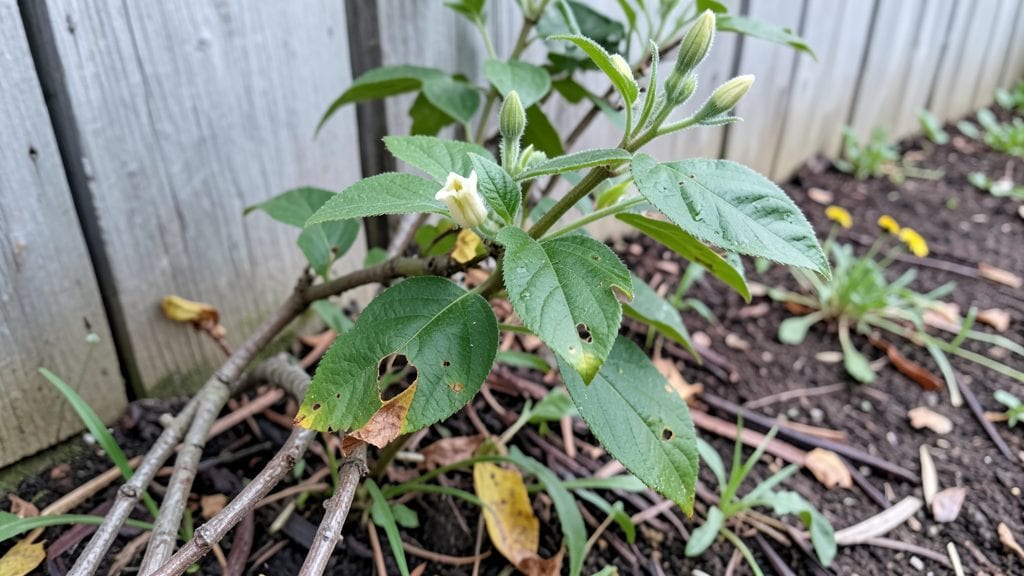
Growing honeysuckle in your garden means waking up to a yard that smells like summer all year long. 🌿 I planted my first vine last spring, and within months, it had climbed a trellis and blanketed the air with its sweet, intoxicating scent—even in partial shade where other plants struggled.
The secret lies in their adaptability: these hardy climbers thrive in sun or shade, making them perfect for almost any spot.
You’ll need a sturdy support structure—trellises, fences, or even arbors work—since honeysuckle vines can grow 10 to 25 feet long in a single season. The soil doesn’t need to be fancy, but well-draining dirt prevents root rot, and a little compost at planting time gives them a head start.
Once established, they’re drought-tolerant, which means less fuss and more fragrance for you.
By late summer, you’ll have a lush, fragrant curtain of blooms that hummingbirds and butterflies can’t resist. The flowers attract pollinators while keeping pests at bay, and the glossy green leaves add year-round interest.
Prune in early spring to shape the vine and encourage new growth—it’s the easiest way to keep them looking their best.
Whether you’re wrapping a patio, softening a fence, or adding height to a shady corner, honeysuckle delivers beauty and scent with minimal effort. Let’s get your garden smelling like a meadow in no time.
📚 In This Guide
- What you need
- Instructions
- Tips and common mistakes
- Wrapping up and next steps
What you need
- ● Honeysuckle plants: 2–5 Lonicera varieties (e.g., L. periclymenum for shade, L. sempervirens for sun). Choose from bare-root, potted, or cuttings.
- ● Pro tip: 💡 Opt for disease-resistant cultivars like L. 'Graham Thomas' for low-maintenance blooms!
- ● Soil amendments: 5–10 lbs of compost or well-rotted manure per plant (improves drainage and fertility).
- ● 1–2 cups of perlite or sand (if your soil is heavy clay).
- ● Planting tools: 1 garden trowel (for digging small holes).
- ● 1 hand pruners (sterilized with rubbing alcohol).
- ● 1 measuring tape (to space plants 3–6 ft apart).
- ● Mulch (2–3 inches of wood chips or straw) to retain moisture.
- ● A trellis, arbor, or fence (for climbing varieties; 6–10 ft tall).
- ● Slow-release fertilizer (balanced 10-10-10, 1 tbsp per plant annually).
- ● Pest deterrents: neem oil or soapy water spray (for aphids).
Step-by-Step guide to planting and growing honeysuckle vines
Here’s how to establish fragrant, fast-growing honeysuckles that’ll climb trellises or cascade over fences.
🌱 Step 1: Choose the Right Planting Location
Honeysuckle thrives in full sun to partial shade, making it versatile for gardens with varying light. For best fragrance and blooms, plant in a spot with at least 6 hours of sunlight daily. If your garden is shadier, opt for varieties like Lonicera sempervirens (Coral Honeysuckle), which tolerates morning sun and afternoon shade better than others.
Check the soil by digging a small hole—it should drain well but retain moisture. If your soil is heavy clay, mix in 2-3 inches of compost to improve drainage. Honeysuckle roots spread widely, so space plants 6-10 feet apart to avoid overcrowding. This ensures airflow and reduces disease risk.
🪴 Step 2: Plant Bare-Root or Container-Grown Vines
For bare-root plants, soak the roots in lukewarm water for 1-2 hours before planting to rehydrate them. Dig a hole twice as wide as the root ball but only as deep as the root system—planting too deep suffocates the roots. Gently loosen the roots if they’re circling and position the vine so the top of the root ball sits just below soil level. Backfill with native soil, tamping lightly to remove air pockets.
For container-grown honeysuckles, remove the plant from its pot and tease the roots at the edges if they’re circling. Place it in the hole at the same depth it was growing in the container. Water deeply to settle the soil and eliminate gaps. Mulch around the base with 2-3 inches of organic mulch (like shredded bark) to retain moisture and suppress weeds.
☀️ Step 3: Provide Support and Water Consistently
Honeysuckle needs a sturdy trellis, fence, or arbor to climb—install support immediately after planting. Use flexible ties or soft garden twine to loosely attach the main stems to the structure. Avoid tying too tightly, as the vine will thicken as it grows. Train the vine by gently weaving new growth along the support each week during the first growing season.
Water deeply once a week for the first month, ensuring the soil stays evenly moist but not soggy. After establishment, honeysuckles are drought-tolerant but produce more fragrant blooms with regular watering during dry spells. You’ll know it’s thriving when new growth appears within 4-6 weeks and the first flowers bud in early summer.
✂️ Step 4: Prune for Health and Abundant Blooms
Prune honeysuckles in late winter or early spring before new growth begins. Remove dead, diseased, or crossing branches first, cutting back to a healthy bud or lateral stem. Thin out overcrowded growth to improve airflow—this prevents fungal issues and encourages stronger blooms. For varieties that flower on new wood (like Lonicera periclymenum), prune lightly in summer to shape the vine without reducing next year’s flowers.
Watch for suckers—shoots growing from the base of the plant. Remove these promptly, as they divert energy from the main vine. After flowering, trim back one-third of the oldest stems to rejuvenate the plant. You’ll see a surge of new growth by mid-summer, signaling the pruning worked.
🌿 Step 5: Maintain and Enjoy Year-Round Interest
Honeysuckles are low-maintenance once established, but a light fertilizer application in early spring with 10-10-10 (follow package rates) boosts vigor. Avoid heavy fertilizers, which can reduce flowering. Monitor for pests like aphids or spider mites—spray with neem oil if needed, but honeysuckles rarely need intervention.
In fall, cut back any dead or damaged growth, but leave the structure intact for winter. The vine’s glossy foliage and reddish stems add winter interest, and some varieties (like Lonicera japonica) even produce berries for birds. By year two, your honeysuckle will be a fragrant, lush climber—ready to transform your garden into a sensory haven.
Tips & tricks for perfect honeysuckle growth
Here's what I've learned after years of growing honeysuckles—these tricks will help you avoid common pitfalls and get the most fragrant, vigorous vines.
Soil Preparation is Everything: In Step 1, don't skip that soil test! The 2-3 inches of compost recommendation is non-negotiable for heavy clay soils. I've seen honeysuckles struggle in compacted soil, but adding compost creates that perfect balance of drainage and moisture retention. For sandy soils, consider mixing in a bit of peat moss instead—it holds moisture better while still allowing roots to breathe.
Root Soaking Secret: That 1-2 hour lukewarm water soak in Step 2 isn't just about hydration—it's about waking up dormant roots. I've found that soaking for the full 2 hours gives bare-root plants a much better start. If you're short on time, at least 30 minutes will help, but don't skip this step entirely—it makes all the difference in establishment.
Watering Wisdom: The instructions mention watering deeply once a week for the first month, but here's the thing about honeysuckles: they actually prefer slightly drier conditions after establishment. After that initial 4-6 week period when you're watching for new growth, let the top inch of soil dry out between waterings. This encourages deeper root growth and prevents root rot—something I learned the hard way after losing a few plants to overwatering.
Pruning Pro Tip: When you're doing that late winter pruning in Step 4, look for stems that are thinner than a pencil—these are often dead or dying and should be removed completely. The one-third oldest stem pruning is perfect for maintaining that lush, flowering growth. I've found that pruning just after flowering gives the plant time to recover before winter, resulting in stronger new growth the following spring.
Pro Tips for Honeysuckles Grow A Garden
- Here's what I've learned after years of growing honeysuckles—these tricks will help you avoid common pitfalls and get the most fragrant, vigorous vines.
- Soil Preparation is Everything: In Step 1, don't skip that soil test!
- Root Soaking Secret: That 1-2 hour lukewarm water soak in Step 2 isn't just about hydration—it's about waking up dormant roots.
Frequently asked questions
Got questions about growing honeysuckles? You’re not alone!
Here are answers to the most common queries—from planting tips to troubleshooting—so you can cultivate fragrant climbers with confidence.
When is the best time to plant honeysuckles?
Plant honeysuckles in early spring or fall when soil temperatures are mild (50–70°F). This gives roots time to establish before extreme heat or cold. Avoid planting in summer—young plants struggle with drought stress. Pro tip: If planting in containers, use well-draining soil and water consistently until established!
How long does it take for honeysuckles to flower?
Most honeysuckles bloom within 1–3 years of planting, depending on the variety and growing conditions. Patience pays off! For faster blooms: Prune lightly in late winter to encourage new growth. Some varieties (like Lonicera periclymenum) may take slightly longer but reward you with scented, tubular flowers in late spring or summer.
Can honeysuckles grow in containers?
Dwarf varieties like Lonicera fragrantissima thrive in 10–15 gallon containers with well-draining potting mix. Choose a pot with drainage holes and place it where vines can climb a trellis or fence. Remember: Container-grown honeysuckles need regular watering (especially in hot weather) and may require winter protection in colder zones.
Are honeysuckles prone to pests or diseases?
Honeysuckles are generally hardy, but watch for aphids, spider mites, or powdery mildew in humid climates. Preventative care: Prune for airflow, water at the base (not leaves), and use neem oil if pests appear. Overcrowding or poor drainage can lead to root rot—always plant in well-amended soil with good drainage.
What’s the best way to prune honeysuckles?
Prune in late winter or early spring before new growth starts. Remove dead, crossing, or overcrowded branches to improve airflow. For flowering varieties, trim lightly to shape—avoid heavy pruning, as it can reduce blooms. Bonus: Cutting back old wood encourages vigorous new growth and more fragrant flowers!
Can I grow honeysuckles from cuttings?
Yes! Take 4–6 inch semi-hardwood cuttings in early summer, dip in rooting hormone, and plant in moist perlite or sand. Keep them in bright, indirect light and maintain humidity (use a plastic bag or propagator). Roots typically form in 4–8 weeks. Tip: Bottom heat (like a heating mat) speeds up rooting!
Wrapping up and next steps
Growing honeysuckles in your garden is a rewarding journey that brings fragrance, beauty, and wildlife support to your outdoor space—whether basking in full sun or thriving in dappled shade.
With the right soil prep, pruning know-how, and a little patience, these versatile climbers will reward you with lush vines and intoxicating blooms year after year.
Ready to transform your garden? Start by choosing your favorite variety and picking a sunny or shady spot to plant. Grab your supplies and get growing today—your future fragrant haven awaits! 🌿✨