Lawn
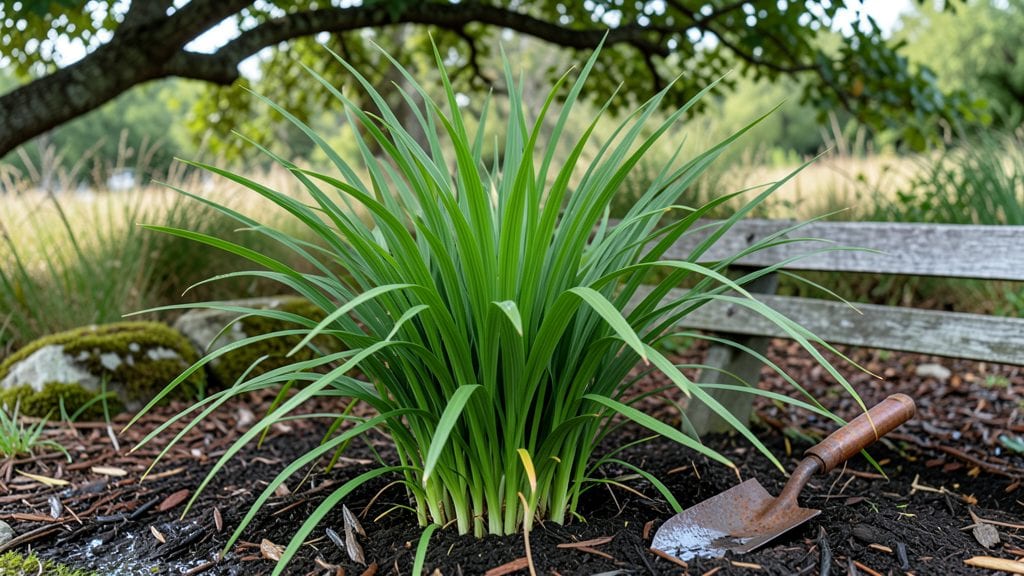
Lemon grass in the garden transforms a plain yard into a fragrant paradise with almost no effort. 🌿 I planted mine last spring, and now the air hums with citrusy freshness whenever a breeze stirs—no cooking required.
This hardy perennial thrives where most herbs would struggle, making it the perfect low-maintenance addition for both culinary and ornamental spaces.
The secret to happy lemon grass lies in mimicking its tropical roots: warm soil, consistent moisture, and protection from frost.
You’ll need well-draining soil mixed with compost, a sunny spot (at least 6 hours of light daily), and a container or ground space where roots can spread—18–24 inches of width works perfectly. Even in containers, it grows vigorously, making it ideal for patios or small gardens.
By summer’s end, you’ll have 3–4 foot tall clumps with hollow, lemon-scented stalks that double as natural pest repellent. Snip what you need for cooking, and the plant keeps producing—no replanting needed.
The best part? It spreads slowly, so you won’t end up with an unruly jungle. Just divide the clumps every 2–3 years to keep them healthy.
Works beautifully in tropical-themed gardens, near patios, or even as a living border. Once established, it’s nearly indestructible—drought-tolerant once rooted, and deer tend to avoid it. Here’s how to get started without overcomplicating things.
📚 In This Guide
- What you need
- Instructions
- Tips and common mistakes
- Wrapping up and next steps
What you need
- ● Lemon grass plants or seeds: 3–5 healthy lemon grass corms (preferred for faster growth) or 10–20 seeds (if starting from scratch).
- ● Tip: Choose organic, disease-free plants for the best results! 🌱
- ● Well-draining soil: 5–10 gallons of sandy loam soil (mix garden soil with perlite or coarse sand for optimal drainage).
- ● pH level: 5.5–6.5 (slightly acidic). Test your soil if unsure!
- ○ Containers (optional but recommended for colder climates): 2–3 large pots (12–18 inches in diameter) with drainage holes, or
- ● A raised garden bed (minimum 12 inches deep).
- ● Basic gardening tools: Trowel or small shovel
- ● Gloves (to protect your hands from sharp lemongrass edges!)
- ● Pruners (for trimming mature stalks)
- ● Fertilizer: Balanced 10-10-10 fertilizer (2–3 tbsp per plant) or compost (for organic growth).
- ● Mulch: 2–3 inches of organic mulch (straw, pine needles, or shredded leaves) to retain moisture.
- ● Hardiness zones: 9–11 (year-round outdoor growth). In colder zones (below 30°F/-1°C), grow in containers and bring indoors during winter.
- ● Sunlight: Full sun (6+ hours daily) for robust growth. Tip: Partial shade (4–6 hours) works in hot climates to prevent wilting! ☀️
- ● Water source: Drip irrigation or a watering can (lemon grass loves consistent moisture but hates soggy roots!).
- ● Soil moisture meter (to monitor watering needs)
- ● Pest control spray (neem oil for aphids or mites)
- ● Support stakes (for tall varieties in windy areas)
- ● Label tags (to track planting dates and varieties)
Step-by-step guide to planting and cultivating lemon grass
This fragrant perennial thrives with minimal fuss—just follow these steps for lush, productive growth.
🌱 Step 1: Choose the Right Location and Prepare the Soil
Lemon grass demands full sun—at least 6-8 hours daily—to develop its signature citrusy aroma and strong stalks. I always pick the warmest, sunniest spot in my garden, often near the patio where I can easily harvest. The soil should drain well; lemon grass hates soggy roots, which rot quickly.
Loosen the top 12 inches of soil with a garden fork, breaking up any compacted layers. Amend with 2-3 inches of compost to enrich the soil naturally. Lemon grass tolerates a range of soil types but thrives in sandy loam—the kind that crumbles easily when moist. If your soil feels heavy or clay-like, mix in 1 part perlite to improve drainage.
🪴 Step 2: Plant Corms or Divide Established Clumps
Lemon grass grows from corms (thick, bulb-like roots) or by dividing mature clumps. Plant 2-3 inches deep, spacing them 18-24 inches apart—they spread aggressively and need room to establish strong stalks. If planting from seed, start indoors 8-10 weeks before the last frost, as germination is slow and seedlings are delicate.
Gently press the soil around the corms to secure them without compacting. Water deeply right after planting to settle the soil and encourage root contact. Avoid overwatering now; the corms need to dry slightly between waterings once established. I like to mulch with 2 inches of shredded bark to retain moisture and suppress weeds—just keep it 2 inches away from the stalks to prevent rot.
☀️ Step 3: Water and Fertilize for Optimal Growth
Lemon grass is drought-tolerant once established but needs consistent moisture during its first growing season. Water 1-2 times weekly, aiming for 1 inch of water per week, and more during dry spells. You’ll know it’s thirsty when the lower leaves start curling slightly—this is your cue to water deeply.
Fertilize lightly in early spring with a balanced, organic fertilizer (10-10-10 ratio). Over-fertilizing leads to lush foliage but weak, flavorless stalks. I use ½ cup per plant, worked into the top 4 inches of soil. Avoid high-nitrogen fertilizers—they promote leafy growth at the expense of the aromatic stalks you’re after.
✂️ Step 4: Harvest and Prune for Long-Term Productivity
Harvest stems when they reach 12-18 inches tall, cutting just above the lower leaves with a sharp knife or pruners. The best time is late summer or early fall, when the stalks are thick and the flavor is strongest. You’ll see fresh growth within 2-3 weeks, and the plant will keep producing year after year.
In winter, cut back dead or yellowing leaves to encourage new growth in spring. Lemon grass is hardy in USDA zones 9-11—in colder climates, dig up corms before frost and store them in a cool, dry place until spring. I’ve found that dividing clumps every 3-4 years rejuvenates the plant and prevents overcrowding.
🌿 Step 5: Protect and Maintain for Year-Round Fragrance
Watch for lemongrass borers—tiny pests that tunnel into stalks, causing wilting. If you spot chewed leaves or sawdust-like frass, remove affected stalks immediately and treat with neem oil. Lemon grass is generally pest-resistant, but slugs may nibble young shoots; a beer trap (a shallow dish of beer) works wonders overnight.
To keep your lemon grass thriving, rotate plants every 2-3 years to prevent soil depletion. The older the clump, the less fragrant the stalks become. If you notice stalks becoming thin or flavor fading, it’s time to dig up and divide the plant. With proper care, your lemon grass will reward you with aromatic, culinary-quality stalks for decades.
Tips & tricks for perfect lemon grass cultivation
Between us, lemon grass is one of those plants that rewards patience with incredible flavor—but only if you nail a few key details. Here’s what nobody tells you about growing this fragrant perennial like a pro.
Sunlight Secret: That 6-8 hours of daily sun isn’t just about growth—it’s about flavor development. The more intense sunlight your lemon grass gets, the more concentrated its citrusy aroma becomes. I’ve noticed the most potent stalks come from plants in full afternoon sun, especially in containers where you can move them to follow the sun’s arc. If you’re in a shadier climate, supplement with a grow light for 4-6 hours daily during the plant’s first year.
Soil Texture Matters: The instructions mention sandy loam, but here’s the thing: lemon grass roots need to breathe. If your soil feels dense when moist, mix in an extra 1 part perlite or coarse sand to the 2-3 inches of compost called for. I’ve seen plants in pure garden soil develop root rot because water couldn’t drain fast enough—don’t make my mistake. Test your soil’s drainage by digging a hole, filling it with water, and timing how long it takes to drain completely. If it’s more than 30 minutes, amend further.
Planting Depth Precision: Those 2-3 inches for planting corms might seem like a wide range, but depth affects everything. Plant too shallow and the corms won’t anchor properly; too deep and they’ll struggle to push through the soil. I use my finger to create a hole just slightly deeper than the corm’s widest point, then press it in gently until the top is just below soil level. This ensures the corm has room to expand while staying stable during watering.
Harvesting Timing: The 12-18 inch height range is perfect, but here’s the critical detail: harvest when the stalks are thickest—usually in the morning after dew has dried. The flavor compounds are most concentrated at this time. I’ve found that waiting until late summer or early fall, as suggested, gives you the bonus of avoiding any potential frost damage to tender new growth. Always cut just above the lower leaves to encourage new shoots from the base.
Pro Tips for Lemon Grass In The Garden
- Between us, lemon grass is one of those plants that rewards patience with incredible flavor—but only if you nail a few key details.
- Sunlight Secret: That 6-8 hours of daily sun isn’t just about growth—it’s about flavor development.
- Soil Texture Matters: The instructions mention sandy loam, but here’s the thing: lemon grass roots need to breathe.
Frequently asked questions
Got questions about growing lemon grass in your garden? Here are some of the most common ones—and their answers!
How do I know when lemon grass is ready to harvest?
Lemon grass is ready to harvest when the stalks are about 12–18 inches tall and the leaves are fully unfurled. The base of the stalk should feel firm, not woody or hollow. Use a sharp knife to cut the stalks about 2–3 inches above the ground—this encourages regrowth. For the best flavor, harvest in the morning when the oils are most concentrated!
Can lemon grass survive winter in cold climates?
Lemon grass is a tropical plant, so it won’t survive freezing temperatures. In USDA zones 8–11, it thrives year-round outdoors. For colder zones (7 or below), grow it in containers and bring it indoors before frost or mulch heavily and cover with frost cloth. Alternatively, replant fresh stalks each spring from a nursery.
What pests or diseases should I watch for with lemon grass?
Lemon grass is generally pest-resistant, but keep an eye out for aphids, spider mites, or fungal issues like leaf spot in humid conditions. To prevent problems:
- Ensure 6+ hours of sunlight daily for strong growth.
- Water at the base (avoid wetting leaves to reduce fungus).
- Remove yellow or damaged leaves promptly.
- Use neem oil if pests appear.
Can I grow lemon grass from grocery store stalks, or do I need seeds?
Yes! You can regrow lemon grass from store-bought stalks—just save the bottom 2–3 inches (with roots) and place it in water or soil. It’ll sprout new leaves in 1–2 weeks. For seeds, they’re harder to find (lemon grass is usually propagated vegetatively), so buying live plants or stalks from a nursery is the easiest route.
What’s the best companion plant for lemon grass in the garden?
Lemon grass pairs well with herbs like basil, mint, and cilantro—they share similar growing conditions (sunny, well-drained soil). Avoid planting it near strong-scented herbs like rosemary or lavender, as they may compete for nutrients. For a low-maintenance garden, try pairing it with tomatoes, peppers, or citrus trees—the fragrance even repels pests like mosquitoes!
Wrapping up and next steps
Growing lemon grass in your garden is a rewarding way to add fragrance, culinary versatility, and year-round beauty to your outdoor space! 🌿 With minimal effort, this hardy perennial thrives in warm climates, repels pests, and even boosts your kitchen with its zesty flavor.
Whether you're a seasoned gardener or just starting, lemon grass is a fantastic, low-maintenance choice.
Ready to take the next step? Start by selecting a sunny spot, gathering your supplies, and planting your first clumps. Before you know it, you’ll be harvesting fresh lemon grass for teas, dishes, or natural remedies—all while enjoying the soothing scent it brings to your garden. Happy planting! 🌱✨