
Light Requirements
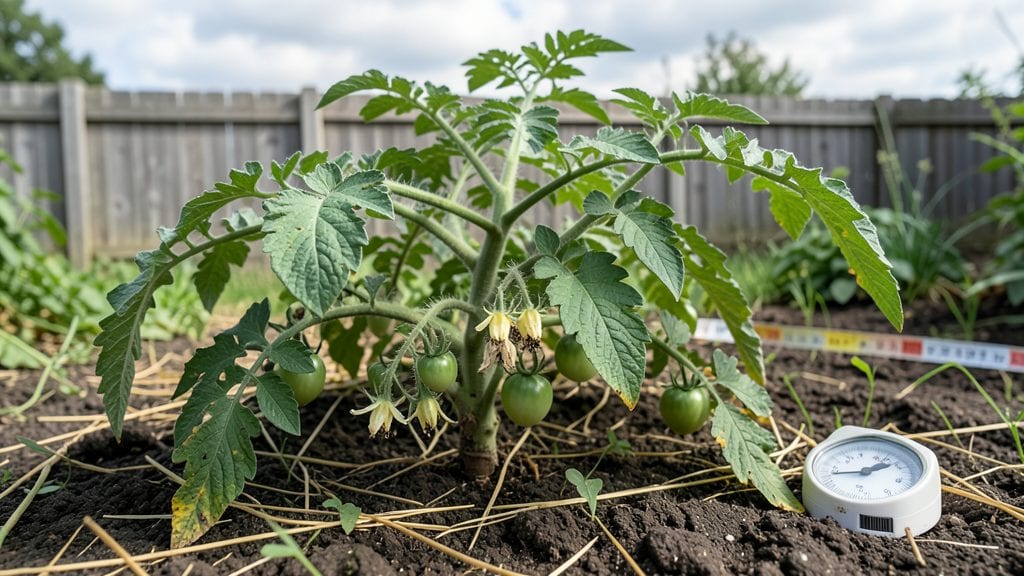
A garden needs 6 to 8 hours of direct sunlight daily to thrive — the difference between lush harvests and struggling plants.
Struggling to keep your garden thriving? The secret might be simpler than you think—most plants fail not because of poor soil or water, but because they’re getting the wrong amount of sunlight. Too little, and your veggies stay stunted; too much, and their leaves crisp like overcooked chips.
Here’s the truth: full sun (6+ hours) is ideal for tomatoes, peppers, and herbs, while partial shade (3-6 hours) suits greens and leafy crops. Even shade-loving plants need some light to survive. I’ll show you how to measure sunlight in your space and adjust your garden layout for maximum growth.
By the end, you’ll know exactly where to place every plant—no guesswork, just healthy, productive greens all season long.


Sunlight requirements by plant type: full sun vs. partial shade vs. full shade explained
Understanding how many hours of sunlight your garden needs is the first step to creating a thriving outdoor space.
Most gardeners assume all plants need the same amount of light, but the truth is far more nuanced. Full sun lovers like tomatoes and lavender demand 6+ hours of direct sunlight daily, while delicate ferns and hostas thrive in full shade with less than 3 hours of light.
Even partial shade plants—those needing 3-6 hours of sun—require careful placement to avoid stress.
Before you rush to rearrange your garden, let’s clarify these categories with specific examples. Knowing whether your garden gets morning sun, afternoon shade, or all-day light will determine which plants will flourish.
For instance, roses and peppers need full sun, while coleus and caladiums prefer partial shade. Misjudging these needs often leads to yellowing leaves, stunted growth, or even plant death.
To make this easier, I’ve created a quick-reference guide below that breaks down the exact sunlight requirements for common garden plants. This will help you visualize which plants belong where in your space.
Remember, light intensity matters just as much as duration—south-facing windows and open spaces provide stronger light than north-facing areas.
🌱
| Sunlight Category | Hours of Sunlight | Example Plants | Key Characteristics |
|---|---|---|---|
| Full Sun | 6+ hours | Tomatoes, Lavender, Peppers, Sunflowers, Roses | Needs intense light; avoid afternoon shade |
| Partial Shade | 3-6 hours | Coleus, Impatiens, Ferns, Begonias, Hostas | Tolerates morning sun + afternoon shade |
| Full Shade | <3 hours | Caladiums, Hosta, Astilbe, Liriope, Japanese Painted Fern | Survives under trees; avoids direct sun |
Now that you’ve got the basics, let’s dive deeper into how to measure sunlight in your garden accurately. Many gardeners assume their space gets full sun when it might actually be partial shade due to nearby trees or buildings.
To test your garden’s light exposure, place a sunlight tracker (like a simple chalk mark on a stick) in different spots for a week. Mark the hours the sun hits each location—this will reveal if you have morning sun, afternoon shade, or a mix.
For example, if your garden gets 6 hours of morning sun but the afternoon is blocked by a fence, you’ll need to group partial shade plants there. Conversely, a south-facing patio with no obstructions will be ideal for full sun plants like zucchini or marigolds.
Pro tip: Seasonal changes matter too—what’s partial shade in summer might become full sun in winter when trees lose leaves.
One common mistake is assuming all shade plants are the same. Some, like hostas, can tolerate dappled shade (filtered light through trees), while others, like caladiums, need deep shade (no direct light at all).
Pay attention to leaf color—if leaves turn yellow or bleach out, your plant is getting too much sun. Conversely, leggy growth or pale leaves mean it’s not getting enough light.
Let’s talk about seasonal adjustments. In summer, your garden might get 8 hours of sun, but in winter, that could drop to 4 hours. This shift affects perennials and woody plants more than annuals.
If you’re planting a sun-loving shrub like butterfly bush, check its winter sunlight exposure—some areas might become too shady once deciduous trees lose their leaves.
To optimize your garden layout, start by mapping your space. Use stakes or spray paint to mark areas with different light exposures. Then, group plants with similar needs together. For instance, place tomatoes and roses in the sunniest spot, while coleus and impatiens go in the partially shaded area.
This not only saves time but also ensures each plant gets the perfect amount of light for its growth stage.
If you’re still unsure about your garden’s light conditions, consider using a light meter (available at garden centers) or a free app like Gardenate to track sunlight patterns. These tools can give you precise data on light intensity, helping you avoid guesswork. Remember, the goal is
How to assess your garden’s sunlight and adjust plant placement for maximum growth
Most gardeners assume all sunlight is equal, but the truth is more nuanced. Your garden’s morning sun behaves differently from afternoon sun, and seasonal shifts can drastically alter light exposure. Without understanding these patterns, even well-intentioned plant placement can lead to stunted growth or wasted space.
The key is to map your garden’s light zones and match them to plants that thrive in those conditions.
Start by observing your garden over at least one week—preferably two—to account for cloudy days. Note when shadows move across different areas, especially between sunrise and sunset.
A simple DIY method is to place a white board or chalkboard in key spots and mark the shadow edges every hour. This visual record will reveal which areas get direct sun all day versus those with only dappled or filtered light.
- Full Sun: 6+ hours of direct sunlight daily. Ideal for tomatoes, peppers, and lavender.
- Partial Sun: 3-6 hours of sunlight. Perfect for roses, hydrangeas, and basil.
- Partial Shade: 3-6 hours of filtered light. Suited for hostas, ferns, and impatiens.
- Full Shade: Less than 3 hours of sunlight. Best for caladiums, astilbes, and maidenhair ferns.
- Morning Sun: Cooler, less intense light—great for delicate flowers like snapdragons.
- Afternoon Sun: Hotter rays—better for heat-tolerant plants like okra or zucchini.
- Seasonal Adjustments: Summer sun is 20% stronger than spring/fall—account for this when planning.
Once you’ve mapped your garden’s light zones, it’s time to strategically place plants. Group full-sun lovers like sunflowers and marigolds in the brightest spots, while shade-tolerant plants like heuchera or astilbe can thrive under trees or along north-facing walls.
Pro tip: Use mulch or shade cloth to protect sensitive plants from harsh afternoon sun if needed.
Don’t forget to consider vertical space—trellises and cages can help maximize sunlight exposure for climbing plants like pole beans or cucumbers. Tall plants should face north to avoid shading shorter neighbors.
And if your garden has microclimates (like a south-facing slope or a sheltered corner), treat them as separate zones with unique light requirements.
Seasonal changes can throw off even the best-laid plans. In summer, your garden might get extra sunlight, while winter brings shorter days and weaker light. Adjust by moving heat-sensitive plants to slightly shadier spots in peak summer or using seasonal shade structures like row covers.
Regularly reassess your garden’s light conditions—especially after new constructions or tree growth—to keep your plants happy and healthy.
By treating sunlight like a precious resource and matching it to your plants’ needs, you’ll transform your garden into a thriving ecosystem. Start small, observe carefully, and soon you’ll be growing bigger blooms, juicier tomatoes, and lush foliage with ease. Happy planting! 🌱