
Light Requirements
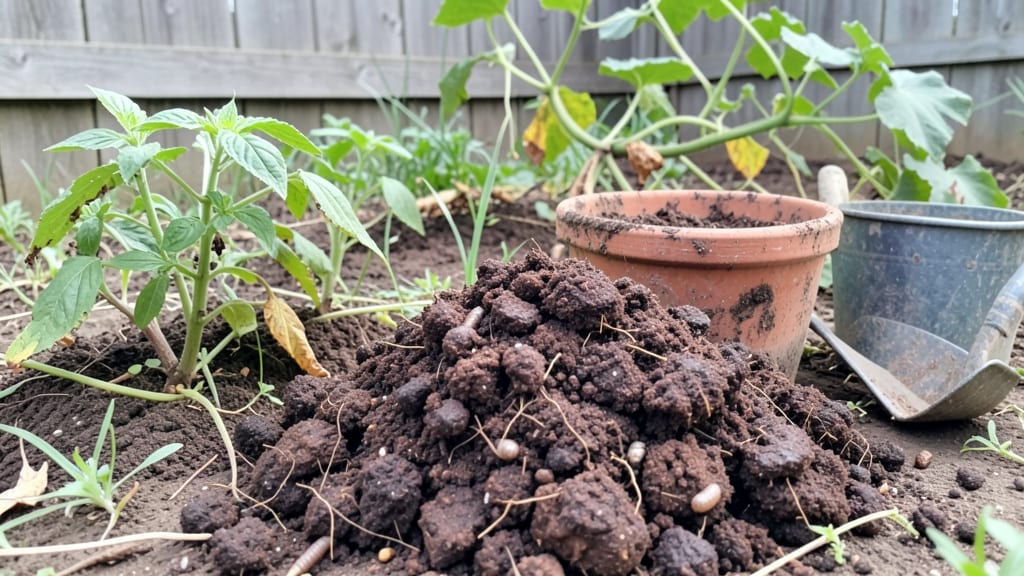
To determine how much manure for garden soil, use a 1:2 ratio for fresh manure (manure to soil) with heavy feeders like tomatoes, while composted manure works at 1:4 to 1:6 for most plants. Overapplying risks root burn or pest attraction.
Manure isn't just fertilizer—it's a nutrient powerhouse that changes based on whether it's fresh or aged. 🌱 Fresh manure releases nitrogen quickly, which can scorch plants if overused, while composted manure provides steady, balanced nutrition.
I've seen gardeners double their tomato yields by sticking to the 1:2 ratio, but for delicate flowers, I always halve that amount to avoid stressing the roots. The key is testing your soil first—most garden centers offer pH kits for under $15.
Different plants have wildly different appetites. Leafy greens like spinach thrive with a lighter hand—think 1:6 composted manure—while root vegetables such as carrots need even less to prevent forked growth. Perennials? They're the patient type and can handle a spring top-dressing of composted manure at 1:4.
The secret weapon here is mulching after application: it locks in moisture and slows nutrient release, giving your plants time to soak up what they need without waste.
💡 In This Article
- Manure Application Science: Nitrogen Levels and Soil Impact
- Plant-Specific Manure Dosage Guide by Growth Stage
Manure application science: nitrogen levels and soil impact
Fresh manure releases nitrogen in a rapid, volatile burst because its carbon-to-nitrogen (C:N) ratio is typically 10:1 to 25:1, meaning microbes break down nitrogen quickly to balance the carbon. This creates a high-ammonia environment that can scorch plant roots if not properly aged.
Composted manure, however, has a more stable C:N ratio of 15:1 to 30:1 due to microbial decomposition, releasing nutrients slowly over months. The transformation happens because composting converts volatile ammonia into stable organic nitrogen compounds like urea and amino acids.
Different animal manures behave uniquely in the soil. Cow manure, with its 20-30% moisture content, breaks down steadily and improves soil structure by adding organic matter that holds 3-5 times its weight in water.
Horse manure, denser and hotter when fresh (140-160°F internally), requires 6-12 months of composting to avoid burning plants. Chicken manure, the most potent with 4-6% nitrogen by weight, needs 6-12 months of composting or a 1:10 dilution ratio when fresh to prevent root damage.
The composting process reduces ammonia volatility by 50-70% through microbial action that converts ammonia (NH₃) into ammonium (NH₄⁺), which plants can absorb more efficiently. This is why composted manure smells earthy rather than pungent.
The microbial activity also creates glomalin, a sticky glycoprotein that binds soil particles into aggregates, improving aeration and water retention. Without proper composting, fresh manure can raise soil pH temporarily, making nutrients like phosphorus and iron less available to plants.
Soil texture plays a hidden role in manure effectiveness. Sandy soils, with low cation exchange capacity (CEC), release nutrients faster, requiring more frequent but lighter applications. Clay soils, with high CEC, hold nutrients longer but may need manure mixed into the top 6-8 inches for root access.
A simple test: rub a handful of moist soil between fingers—if it forms a loose ball that crumbles, it's ideal for manure incorporation.
Here's what happens when you overapply: The excess nitrogen triggers a luxury consumption response, where plants absorb more than they need, leading to leafy growth at the expense of fruiting. For example, tomatoes may produce abundant foliage but few tomatoes.
The opposite problem—underapplication—leads to chlorosis (yellowing leaves) as plants starve for nitrogen. The sweet spot? A 1:4 composted manure ratio for most vegetables maintains balanced growth without waste.
Pro tip: Mix manure with 1-2 inches of finished compost before applying to buffer the nitrogen release. This creates a two-phase nutrient release: immediate availability from composted manure and slow-release from the compost.
For container gardens, use 1 part composted manure to 3 parts potting mix—containers dry out faster and need gentler feeding.