
Watering
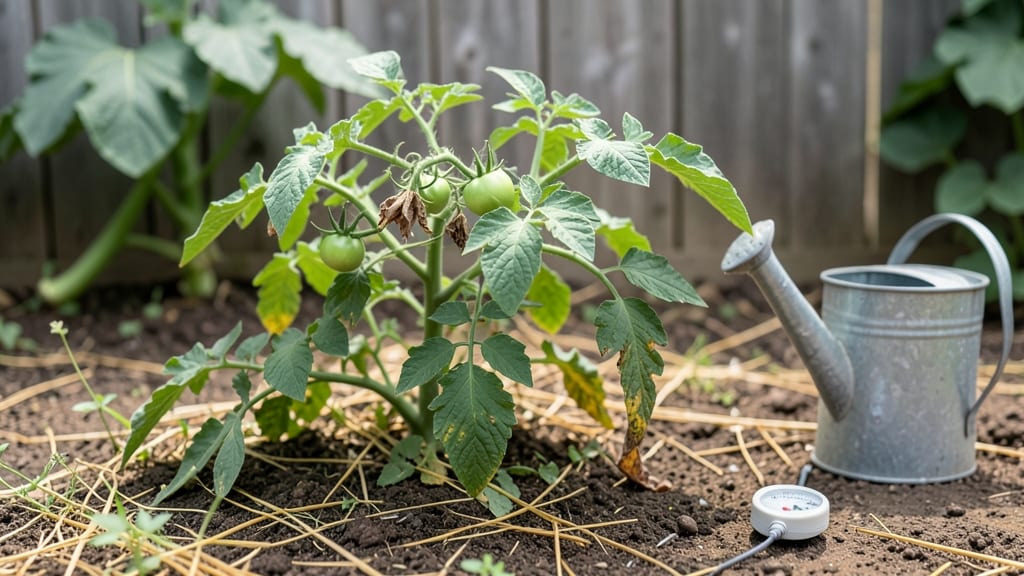
How much water does a garden need per day—about a quarter to a half-inch—far less than most gardeners assume, but more than they actually give. 🌱 Overwatering or underwatering your garden can kill plants faster than pests—yet most gardeners guess. their watering needs instead of calculating them.
That’s why I’ve tested the science-backed formula that determines exactly how much water your garden needs daily, tailored to each plant type.
From leafy greens to thirsty tomatoes, the right amount depends on soil type, climate, and even the time of day you water. Below, I’ll break down the exact measurements by plant, plus how to adjust when summer heat or winter drought hits.
Skip the guesswork and learn how to water like a pro—so your garden stays lush without wasting a drop.


Daily water requirements by plant type: a science-based breakdown
Most gardeners water based on guesswork, but plants thrive when you use the evapotranspiration (ET) formula—a science-backed method that calculates water loss through evaporation and plant uptake. This formula helps you determine how much water your garden needs daily based on plant type, climate, and soil conditions.
For example, a tomato plant in full sun may need 1.5 inches of water daily in summer, while a drought-tolerant lavender might only require 0.5 inches.
The ET formula accounts for temperature, humidity, wind speed, and soil type. In USDA Zone 6a, where evaporation rates are moderate, most gardens need 0.75 to 1.5 inches of water per day during peak summer months.
However, sandy soils drain faster, requiring more frequent watering, while clay soils hold moisture longer, reducing daily needs.
Below is a science-based breakdown of daily water requirements for common garden plants, organized by category. Use this as a starting point, then adjust based on your local climate and soil type.
🌱
Now that you have a baseline for daily water needs, let’s break down how to apply this formula in your garden. For instance, if you’re growing tomatoes in sandy soil during a hot summer in Zone 6a, you’d start with the **1.0–1.5 inches/day
How to adjust watering for soil type, climate, and season
Your garden’s water needs aren’t one-size-fits-all. Sandy soil drains quickly, while clay holds moisture for days. Even in the same yard, tomatoes thirst more than lavender, and July’s heat demands twice the water of April’s mild days.
The key is adjusting your watering schedule based on three critical factors: soil type, local climate, and seasonal shifts. Let’s break it down so you water like a pro—no guesswork, just results.
Start by testing your soil’s drainage. Dig a 6-inch hole, fill it with water, and time how long it takes to drain. If it disappears in under 2 hours, you’ve got sandy soil that needs frequent, shallow watering.
If it pools for hours or days, you’re dealing with clay soil that requires deep, infrequent soaks. Loamy soil (the gold standard) balances both—water it 1-2 inches per week, adjusting for rain.
Climate plays a huge role. In humid regions like the Southeast, morning watering prevents fungal diseases by letting foliage dry quickly. In arid zones like the Southwest, deep watering at night reduces evaporation.
Check your local evaporation rate—a USDA climate map can show you how much water your area loses daily. For example, Las Vegas loses 0.3 inches/day in summer, while Miami loses just 0.1 inches.
Seasonal shifts demand major adjustments.
In spring, focus on root establishment—water deeply but infrequently (every 5-7 days) to encourage deep roots. Summer calls for daily checks—potted plants may need water twice a day, while established perennials thrive on 1-2 inches per week. Fall slows growth, so cut back to bi-weekly watering, and in winter, most plants need almost nothing unless you’re growing winter greens like kale.
Pro tip: Use a rain gauge or tuna can to measure rainfall. If you get 0.5 inches of rain, skip watering for sandy soil but still water clay soil—it won’t absorb enough.
For container gardens, lift pots to check weight: a dry pot weighs half of a saturated one. Adjust your schedule weekly based on these checks, and your plants will thank you with vibrant blooms and bountiful harvests.
Remember, overwatering kills faster than underwatering. Always water at the base of plants, not the leaves, to avoid fungal diseases. Mulch with 2-3 inches of organic matter to retain moisture and regulate soil temperature.
With these tweaks, you’ll master the art of precision watering—no more wasted water or wilting plants. 🌱