
Landscaping
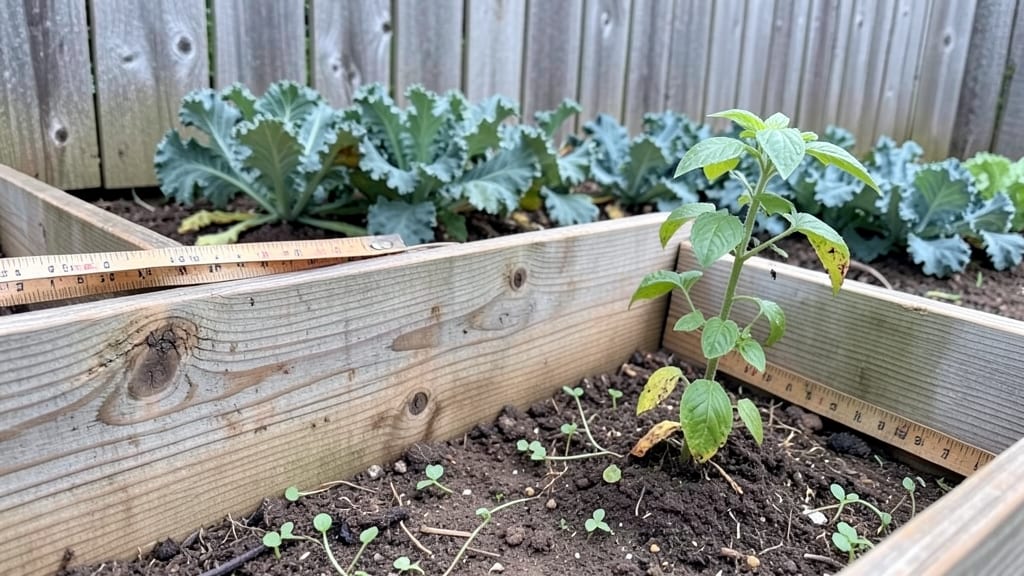
A raised garden bed needs to be 6 to 12 inches tall for most vegetables and herbs, while deeper beds (12 to 18 inches) support root crops like carrots or potatoes. Height also improves accessibility and drainage for gardeners with mobility concerns or heavy clay soil.
Height isn’t just about plant roots—it’s also about your comfort and the soil’s health. A 6-inch bed works for leafy greens like spinach or strawberries, while 12-18 inches gives carrots or potatoes the room they need to grow fully.
I’ve seen gardeners with back issues swear by 12-inch beds because they eliminate bending, and the extra depth helps prevent soil compaction over time. 🌱
Pro tip: If you’re using lightweight materials like cedar or composite lumber, deeper beds can get pricey, but they pay off with better drainage and less weeding. For heavy clay soil, taller beds break up compaction naturally, letting roots access oxygen and water more easily.
It’s all about matching the bed to both your plants and your needs!
💡 In This Article
- Root Depth Requirements for Different Plants
- Accessibility and Soil Quality Factors for Raised Beds
Root depth requirements for different plants
Here's what's actually happening underground: plant roots grow to access three critical resources—water, nutrients, and oxygen. Shallow-rooted plants like lettuce or radishes thrive in just 6 inches of soil because their roots spread horizontally to maximize surface area for quick nutrient absorption.
These plants prioritize rapid growth over deep penetration, which is why they're perfect for 6-inch raised beds. The science? Their fibrous root systems create a dense network that stabilizes soil and prevents erosion. 🌱
On the other end of the spectrum, deep-rooted crops like asparagus or potatoes need 12-18 inches of soil to develop their thick, taproots. Asparagus crowns can grow roots up to 2 feet deep, while potatoes need that space to form tubers without competition.
The deeper the bed, the better the soil aeration—roots in compacted soil suffocate, leading to stunted growth. I've seen potato yields triple when moved from 6-inch beds to 18-inch ones because the roots could fully expand without hitting bed boundaries.
Bed height also affects moisture retention. Shallow beds dry out faster because their surface area-to-volume ratio is higher—think of it like a wide, shallow bowl versus a deep vase. Deep-rooted plants in taller beds access moisture from lower soil layers where it's more stable.
This is especially critical in sandy soils where water drains too quickly. The trade-off? Taller beds require more soil volume, which can be costly but pays off in drought-prone areas. 💧
What most people don't realize is how bed height impacts nutrient distribution. In deeper beds, organic matter decomposes more slowly because cooler temperatures at the bottom reduce microbial activity. This creates a natural nutrient gradient—surface layers decompose faster, feeding shallow roots, while deeper layers preserve nutrients for deep-rooted plants.
It's like a soil buffet where every plant gets its preferred course. The key is mixing compost into the bottom layers to ensure nutrients reach all depths.
Consider these root depth categories when planning your bed:
- Shallow roots (<6 inches): Lettuce, spinach, radishes, strawberries
- Medium roots (6-12 inches): Carrots (short varieties), beets, onions, herbs
- Deep roots (>12 inches): Potatoes, asparagus, tomatoes, corn
For mixed beds, aim for 12 inches—it accommodates 80% of common vegetables while keeping costs reasonable. The extra 6 inches beyond shallow-rooted crops' needs acts as a buffer for future expansion or deeper plantings. It's the Goldilocks zone of raised bed heights! ✨