
Size
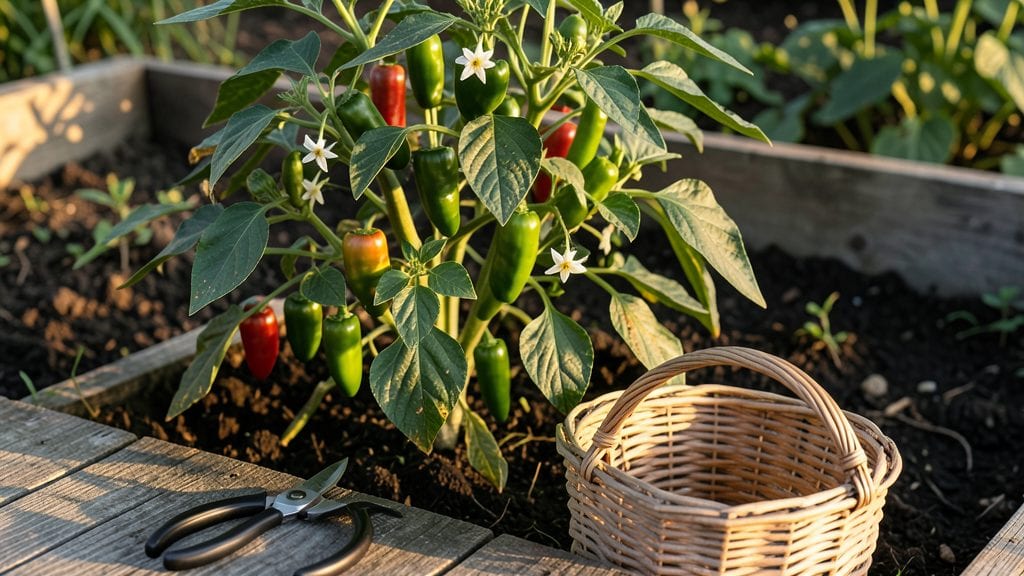
Growing a salsa garden means fresh, vibrant flavors straight from your backyard—no grocery store trip required. ✨ I’ve turned my tiny balcony into a spice explosion with just a few key ingredients: heat-loving peppers, crisp onions, and fragrant herbs packed into containers.
The secret isn’t space—it’s knowing which plants play well together and how to keep them happy in just a few square feet.
You’ll need sun-hungry peppers like jalapeños or serranos, onions that thrive in heat, and cilantro that won’t bolt too fast. A 5-gallon container for each pepper plant and a window box for onions and herbs cut down on mess while maximizing flavor.
The soil? Light, well-draining mix with compost—think moist but not soggy, like a wrung-out sponge. Water consistently, but let the top inch dry between drinks to avoid root rot.
By midsummer, you’ll be harvesting bright green peppers, sharp onions, and fresh cilantro—everything you need for homemade salsa that tastes 100 times better than store-bought. The best part? No weeds, no pests (with a little companion planting), and zero guesswork.
Once you taste that first batch, you’ll never buy salsa again. Let’s get those seeds in the ground!
Works for balconies, patios, or even sunny windowsills—no yard required. Here’s how to make it happen without the fuss.
📚 In This Guide
- What you need
- Instructions
- Tips and common mistakes
- Wrapping up and next steps
What you need
- ● Peppers (3–5 plants): 1–2 jalapeño (mild heat, versatile)
- ● 1 serrano (medium heat, classic salsa kick)
- ● 1 bell pepper (sweet, for balance—red, yellow, or green)
- ○ Optional: 1 habanero or cayenne (for spice lovers!)
- ● Onions (2–3 plants): 1 yellow onion (sharp flavor)
- ● 1 white onion (milder, great for blending)
- ○ Optional: 1 green onion (for fresh garnishes)
- ● Herbs (2–3 plants): 1 cilantro (fresh or dried)
- ● 1 oregano (dried or fresh)
- ○ Optional: 1 thyme or basil (for extra depth)
- ● Tomatoes (1–2 plants): 1 roma (meaty, low-seed) or cherry tomato (sweet, for fresh salsa)
- ● Containers: 5–7 5–10 gallon pots (with drainage holes) or 1 raised bed (at least 12" deep)
- ○ Optional: Self-watering planters (for busy gardeners!)
- ● Soil: High-quality potting mix (sterile, well-draining)
- ○ Optional: Compost or worm castings (for extra nutrients)
- ● Fertilizer: Balanced liquid fertilizer (10-10-10 or 5-5-5) or organic options like fish emulsion
- ● Tools: Hand trowel or small shovel
- ● Gloves (to protect your hands from thorns!)
- ● Pruning shears (for harvesting)
- ○ Optional: Garden kneeler pad, spray bottle (for watering), and a sunny spot tracker (if indoors)
- ● Sunlight: At least 6–8 hours of direct sun daily (peppers are sun-worshippers!)
- ● Space: Containers should be 12–18 inches apart for airflow (or cluster in a raised bed).
- ● Water: Consistent moisture (but no soggy soil—peppers hate wet feet!).
- ● Climate: Start seeds indoors 8–10 weeks before last frost (or buy transplants).
- ● Peppers thrive in warm soil (70°F+)—wait until after frost or use a heat mat.
Step-by-step instructions for designing a compact salsa garden
Here’s how to pack bold flavors into small spaces with the right layout and care.
🌱 Step 1: Plan Your Layout for Maximum Flavor and Space Efficiency
Start by sketching a 4-foot square grid on paper—this is your planting zone. Place 1-2 pepper plants (like jalapeños or serranos) in the center, where they’ll get the most sun. These need 6+ hours of direct light daily, so position them where they won’t be shaded by taller plants.
Around the perimeter, add 4-6 onion sets (like red or yellow varieties) spaced 4 inches apart. Onions tolerate partial shade and act as natural pest deterrents. Leave 8-inch gaps between pepper plants and onions—this prevents root competition and makes harvesting easier.
🪴 Step 2: Prepare Containers or Raised Beds for Drainage and Soil Health
Use 5-gallon fabric grow bags (if container gardening) or a 4’x4’ raised bed with 12-inch-high sides to maximize root space. Fill with a mix of 50% potting soil, 30% compost, and 20% perlite—this ensures aeration while retaining moisture. Avoid garden soil; it compacts in containers and suffocates roots.
Add a 1-inch layer of coarse sand at the bottom of each container or bed to improve drainage. Peppers and onions hate soggy roots, so this prevents waterlogging. Mix in 1 tablespoon of balanced fertilizer (10-10-10) per plant hole to give them a nutrient boost at planting time.
✂️ Step 3: Plant Peppers and Onions with Precision Spacing
Dig holes twice as wide as the root ball but no deeper—peppers and onions dislike being buried too deep. Place 1 pepper plant per hole, firming soil gently around the base to eliminate air pockets. Water deeply until moisture seeps 1 inch below the surface—this encourages roots to spread outward.
For onions, push sets 1 inch deep with the pointed end up. Space them 4 inches apart in a ring around the peppers. Mulch the entire bed with 2 inches of straw to retain moisture and suppress weeds. Avoid synthetic mulches; they trap heat and can scorch young plants.
☀️ Step 4: Maintain Light, Water, and Fertility for Peak Production
Rotate containers quarter-turn weekly so all sides get even sun exposure—this prevents leggy growth. If indoors, supplement with a LED grow light kept 6 inches above plants for 12 hours daily. You’ll know light is sufficient when leaves stay deep green and stems stay sturdy, not stretched.
Water deeply every 2-3 days—check by sticking your finger 1 inch into soil. If it feels dry, water until moisture reaches 2 inches down. Overwatering causes blossom-end rot in peppers and rot in onions. Fertilize again at 6 weeks with a half-strength liquid fertilizer to avoid burning roots.
🌿 Step 5: Prune and Harvest for Continuous Flavor
Once peppers reach 6 inches tall, pinch off the first few flowers to encourage bushier growth. This redirects energy to stronger stems and more robust fruit later. Harvest jalapeños when 3-4 inches long and serranos at 4-5 inches for peak heat and flavor—both turn red when fully ripe but lose spiciness if left too long.
Pull up onions when tops yellow and flop over (usually 10-12 weeks after planting). Cure them in a dry, shaded spot for 2 weeks before storing. This process concentrates their sweetness and extends shelf life. You’ll have enough for 2-3 batches of homemade salsa by late summer!
Tips & tricks for perfect salsa garden design
Small spaces don't mean small flavors—here's how to maximize every inch of your compact salsa garden.
Light Optimization: The 6+ hours of direct sunlight your peppers need is non-negotiable, but you can maximize it by placing your 4-foot square garden on a south-facing surface. If growing indoors, position your containers near the brightest window—south or west-facing windows get the most light. For indoor setups, those 12 hours of LED grow light exposure become even more critical. I've found that moving containers to follow the sun's arc throughout the day (every few hours) gives peppers an extra boost of light, especially in cloudy conditions.
Soil Science: That 50-30-20 soil mix (potting soil, compost, perlite) is your foundation, but don't skimp on the compost quality. I always use well-aged compost—fresh manure can burn young plants. For containers, consider adding a slow-release fertilizer like worm castings to the mix. The 1-inch sand layer at the bottom is crucial for drainage, but don't skip adding a handful of coarse sand to the soil mix itself—this prevents compaction over time, which peppers and onions hate.
Watering Wisdom: The 2-3 day watering schedule works for average conditions, but adjust based on your climate. In hot weather, you might need daily watering until plants establish roots. The key is that 2-inch moisture depth—use a moisture meter if you're unsure. I've learned the hard way that overwatering is worse than underwatering for peppers and onions. For containers, I water until I see moisture dripping from the drainage holes at the bottom.
Harvest Timing: Those 3-4 inch jalapeños and 4-5 inch serranos will be at their peak when they're still firm but starting to show color. The 10-12 week onion timeline is a guideline—watch for the tops to yellow and flop over, which means they're ready to cure. For continuous harvests, pick peppers regularly—the more you harvest, the more your plants will produce. I've found that harvesting in the morning gives peppers time to develop their full flavor before nightfall.
Pro Tips for Grow A Salsa Garden
- Small spaces don't mean small flavors—here's how to maximize every inch of your compact salsa garden.
- Light Optimization: The 6+ hours of direct sunlight your peppers need is non-negotiable, but you can maximize it by placing your 4-foot square garden on a south-facing surface.
- Soil Science: That 50-30-20 soil mix (potting soil, compost, perlite) is your foundation, but don't skimp on the compost quality.
Frequently asked questions
Got questions about growing your own salsa garden? You’re not alone—let’s tackle the most common ones to keep your peppers, onions, and herbs thriving!
How much space do I really need for a salsa garden?
Even small spaces can work! A 4’ x 4’ raised bed fits 4-6 pepper plants, 3-4 onions, and herbs like cilantro or basil. Use vertical gardening (trellises, hanging pots) to save space. If you’re tight on room, try container gardening—just ensure pots are at least 12” deep for peppers.
When’s the best time to plant my salsa garden?
Wait until after the last frost (when soil is at least 60°F for peppers) and 6-8 weeks before your first fall frost if you want a second harvest. Start seeds indoors 8-10 weeks before transplanting for a head start. Check your USDA hardiness zone for local timing!
Can I grow salsa ingredients without a green thumb?
Peppers and onions are beginner-friendly—just give them full sun (6+ hours/day) and well-draining soil. Herbs like cilantro and basil grow fast too. Use self-watering containers or drip irrigation to avoid over/under-watering. Even windowsill gardens work for small batches!
What should I do if my peppers get pests or diseases?
Start with prevention: Use row covers for early pests, rotate crops yearly, and avoid overhead watering (fungus magnet!). For pests, try neem oil or soapy water sprays. If you spot aphids, blast them off with water. Yellowing leaves? Check for overwatering or nutrient deficiency—feed with balanced fertilizer if needed.
Which peppers are best for salsa?
Go for heat-loving varieties like jalapeños, serranos, or habaneros for kick, or mild options like poblano or Anaheim for balance. For colorful salsa, mix in red or yellow bell peppers (sweet but great roasted). Pro tip: Harvest peppers when firm and vibrant—don’t wait for them to turn fully ripe if you want consistent flavor!
Wrapping up and next steps
Growing your own salsa garden is a rewarding journey that brings fresh, vibrant flavors right to your kitchen—no matter how small your space! 🌱 With the right sun-loving plants, a few essential tools, and a dash of patience, you’ll soon be harvesting peppers, onions, and herbs that pack a punch.
Whether you’re a beginner or a seasoned gardener, every bite of homemade salsa will taste like success.
Ready to take the next step? Start small—plant a single pepper or herb this week! Track your progress, experiment with varieties, and soon, you’ll be sharing jars of homemade salsa with friends (or keeping it all for yourself). Happy gardening!