
Picking
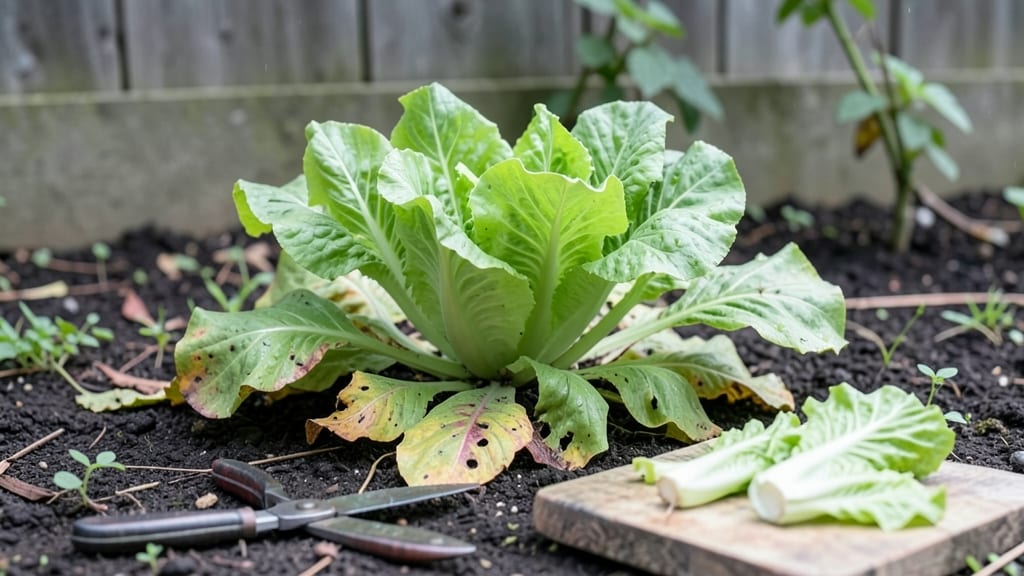
Learn how to pick lettuce leaves from your garden the right way to keep your plants thriving and your harvest fresh—no need to cut. 🌱 I’ve found plucking just a few leaves at a time lets the plant regrow while giving you crisp greens for salads. the whole head.
The key is patience and precision, so you don’t shock the plant or waste your effort.
You’ll need a sharp pair of kitchen scissors or clean fingers for the job. Start by harvesting outer leaves first—they’re fully mature and ready to eat, while the inner leaves stay tender.
Avoid pulling leaves by the stem, as this can uproot or damage the plant. Instead, snip or gently twist leaves at their base, leaving the growing point intact.
Your lettuce will reward you with weeks of fresh harvests if you pick regularly but never take more than a third of the plant at once. Store picked leaves in a damp paper towel inside a sealed container, where they’ll stay crisp for 5-7 days in the fridge.
The secret? Consistency—the more you harvest, the more your lettuce will produce.
This method works for all lettuce types, from loose-leaf to romaine, and even extends the harvest season. Whether you’re growing in containers or garden beds, the same principles apply. Ready to turn your lettuce patch into a never-ending salad supply?
📚 In This Guide
- What you need
- Instructions
- Tips and common mistakes
- Wrapping up and next steps
What you need
- ● Sharp kitchen scissors or pruning shears – Opt for bypass-style (not anvil) to avoid crushing leaves. A 4-6 inch blade works best for precision.
- ● Clean, reusable harvesting basket or bowl – A sturdy, shallow container (10–12 inches wide) prevents bruising. Avoid plastic that may scratch leaves.
- ○ Gloves (optional but recommended) – Lightweight gardening gloves protect hands from dirt, thorns (if growing loose-leaf varieties), and potential blisters.
- ● Spray bottle with water – A 16–32 oz. misting bottle keeps leaves hydrated during harvest, especially in hot weather.
- ● Kitchen towel or damp cloth – A soft, absorbent towel gently removes dirt and debris post-harvest.
- ● Mature lettuce plants – Harvest when leaves are 4–6 inches tall (butterhead/romaine) or 3–5 inches (loose-leaf varieties) for optimal tenderness.
- ● Morning harvest timing – Pick leaves early in the day (before 10 AM) when they’re crisp and hydrated.
- ● Clear weather – Avoid harvesting after rain or in extreme heat to prevent soil splatter or wilting.
- ● Harvesting knife with a serrated edge – Useful for cut-and-come-again methods on larger heads (e.g., romaine).
- ● Portable cooler or insulated bag – Keeps leaves fresh if transporting long distances (pack with ice packs).
- ● Food-safe sanitizing spray – A 1% vinegar or hydrogen peroxide solution (1 part to 3 parts water) disinfects tools between uses.
- ● Labeling tags or notebook – Track harvest dates and varieties if growing multiple types.
Step-by-Step instructions for harvesting lettuce leaves without harming plants
Here’s how to keep your lettuce thriving while enjoying crisp, fresh leaves all season long.
🌿 Step 1: Wait Until Leaves Reach the Right Size
Harvest lettuce when outer leaves reach 3-4 inches long—this is the sweet spot for tender, flavorful greens. Younger leaves are delicate but still edible, while larger ones can turn bitter. Check the base of the plant for at least 4-6 mature outer leaves before cutting. This ensures the center keeps growing.
I always start with the largest, oldest leaves first—they’re more mature and less likely to regrow. If you see yellowing or wilting on outer leaves, those are prime candidates for harvest. Avoid cutting into the inner heart unless you’re ready to harvest the whole head.
✂️ Step 2: Use the Right Tools for Clean Cuts
Sharp, clean scissors or pruning shears work best for harvesting lettuce. A dull blade crushes stems and invites disease. I keep a small pair of bypass pruners in my gardening tote—just a few inches long, so I can reach into tight spaces without disturbing other plants.
Make cuts at a 45-degree angle, about ½ inch above a leaf node (the small bump where leaves attach). This angle helps water run off and prevents rot. Never tear leaves by hand—it damages the plant and makes it vulnerable to pests.
💧 Step 3: Harvest Outer Leaves Only (For Continuous Growth)
To encourage regrowth, always harvest only the outer leaves, leaving the inner heart intact. The center contains the plant’s growing point, so protecting it means more harvests. I like to leave 3-4 inner leaves untouched—this keeps the plant strong while giving you fresh greens for weeks.
If your lettuce bolts (sends up a flower stalk), it’s past the point of regrowth. In this case, harvest the entire head before it becomes bitter. For heat-tolerant varieties like romaine or leaf lettuce, you can often coax one more round of growth by trimming back the bolted stalk and keeping the plant well-watered.
☀️ Step 4: Keep Plants Thriving After Harvesting
After harvesting, water the base of the plant deeply but gently to avoid dislodging soil. Lettuce roots are shallow, so a light soak keeps them happy. I use a watering can with a fine rose attachment to direct moisture right at the roots without disturbing the soil surface.
Fertilize lightly with a balanced liquid fertilizer (like 10-10-10) every 3-4 weeks to replenish nutrients. Avoid heavy-handed feeding—lettuce prefers lean soil. If you notice new growth slowing, a handful of compost worked into the top inch of soil gives a gentle boost without overloading the plant.
⏰ Step 5: Time Your Harvests for Best Flavor
Morning is the best time to harvest lettuce—leaves are crispest and most hydrated after a cool night. Avoid picking after a hot afternoon, when leaves can wilt quickly. I also harvest on cloudy days to reduce stress on the plant.
Store harvested leaves in a plastic bag with a paper towel to absorb moisture, and refrigerate for up to 5-7 days. For maximum freshness, rinse leaves in cold water and spin dry before storing. This keeps them crunchy longer and ready for salads, sandwiches, or cooking.
Tips & tricks for perfect lettuce harvesting
A few simple tricks will help you keep your lettuce thriving while getting the freshest leaves possible.
Leaf Selection: When harvesting, focus on leaves that are 3-4 inches long and show signs of maturity like slight yellowing at the edges. These are the perfect candidates for picking—younger leaves are too tender and may not regrow as well. I always prioritize the outermost leaves first, as they're the most mature and least likely to regrow, leaving the inner heart intact for continued growth.
Tool Technique: The 45-degree angle cut mentioned in Step 2 is crucial—it helps water run off the stem and prevents rot. If you don't have bypass pruners, a small pair of kitchen scissors will work in a pinch, but always sterilize them first with rubbing alcohol to prevent disease transmission. Never use your fingers to pluck leaves, as this can tear the plant and create entry points for pests.
Regrowth Strategy: After harvesting, always leave 3-4 inner leaves untouched to protect the growing point. This simple practice can extend your harvest by weeks. For bolted plants, you can still get one more round of growth by trimming back the flower stalk and keeping the plant well-watered—just be prepared for smaller, more bitter leaves.
Post-Harvest Care: That deep but gentle watering after harvesting is key—lettuce roots are shallow, and too much pressure can damage them. I like to water in the morning so the leaves have time to dry before evening, which helps prevent fungal issues. A light application of compost after watering gives the plant a gentle nutrient boost without overwhelming it.
Pro Tips for Pick Lettuce Leaves From Your Garden
- A few simple tricks will help you keep your lettuce thriving while getting the freshest leaves possible.
- Leaf Selection: When harvesting, focus on leaves that are 3-4 inches long and show signs of maturity like slight yellowing at the edges.
- Tool Technique: The 45-degree angle cut mentioned in Step 2 is crucial—it helps water run off the stem and prevents rot.
Frequently asked questions
Got questions about harvesting your lettuce? You’re not alone! Here are some of the most common queries—and their simple solutions—to help you pick like a pro.
When is the best time to pick lettuce leaves?
Harvest lettuce in the early morning when leaves are crisp and cool. Avoid picking after a hot day or heavy rain, as leaves may be limp or dirty. For loose-leaf varieties, you can start harvesting as soon as the first few leaves reach 4–6 inches tall. For head lettuce, wait until the head is firm but still tender.
Can I pick lettuce leaves without killing the plant?
Use the cut-and-come-again method: snip outer leaves 1–2 inches above the base, leaving the inner leaves to regrow. Avoid pulling leaves—this can damage the plant’s roots. With proper care, a single lettuce plant can produce multiple harvests over weeks or even months.
What’s the best tool to use for harvesting lettuce?
You don’t need fancy tools! A sharp pair of scissors or clean pruning shears works best for clean cuts. For small gardens, even a chef’s knife can do the trick. Just ensure your tool is sanitized to prevent disease. Avoid using your fingers—it can bruise the leaves and attract pests.
How do I know if my lettuce is ready to harvest?
Check for these signs:
- Leaf size: Loose-leaf varieties are ready when individual leaves are 4–6 inches long.
- Head formation: For romaine or iceberg, wait until the head feels firm but still yields slightly when pressed.
- Color: Vibrant green or deep red hues indicate maturity (avoid harvesting if leaves look pale or yellowed).
- Bolting: If your lettuce sends up tall flower stalks, it’s past its prime—harvest quickly before it becomes bitter.
What should I do if my lettuce bolts before I can harvest it?
Bolting (sending up flower stalks) is common in hot weather. If it happens, harvest immediately—the leaves may still be edible, though they’ll taste bitter. To prevent bolting next time, plant lettuce in partial shade, use shade cloth, or opt for heat-tolerant varieties like Jericho or Black Seeded Simpson.
Can I harvest just a few leaves at a time, or should I take the whole plant?
For loose-leaf varieties, pick outer leaves as needed—the plant will keep producing! For head lettuce, harvest the entire head when mature. If you’re unsure, start with a few leaves and monitor the plant’s health. Over-harvesting can stress the plant, so balance is key.
Wrapping up and next steps
Picking lettuce leaves from your garden is easier—and more rewarding—than you might think! 🌱 By using the right techniques, like harvesting outer leaves first and avoiding over-picking, you’ll keep your plants thriving while enjoying a steady supply of fresh greens.
Whether you’re a beginner or a seasoned gardener, these steps ensure a gentle harvest that benefits both your plants and your meals.
Now that you’re ready to pick like a pro, why not take it a step further? Try experimenting with different varieties or even preserving your harvest by fermenting, freezing, or making salads. Your garden—and your taste buds—will thank you! 🥗✨