
Pests
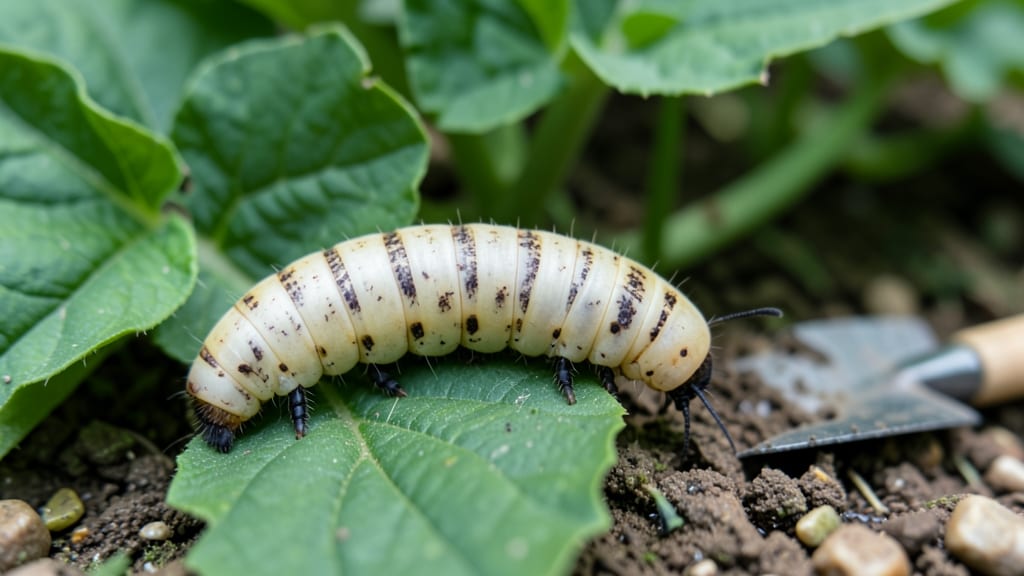
Identifying garden grubs can save your plants before they’re gone—those squirming, soil-dwelling critters chew roots and stems like tiny, relentless lawnmowers. 🌱 I’ve pulled up plants only to find fat, creamy-white grubs feasting on roots, and once you know what to look for, you’ll spot them before they strike.
The key is size, color, and where they hide: some are smooth and shiny, others fuzzy or armored, and their damage tells the real story.
Most grubs fall into three categories: cutworms (sleek, brown, and night-active), Japanese beetle larvae (white with a brown head, burrowing deep), or lesser-known types like wireworms (thin, hard-bodied, and stubborn). Cutworms leave clean-cut stems at soil level, while beetle larvae create ragged holes in roots and bulbs.
The trick is checking under mulch or flipping over plants—grubs don’t like the light, so they’ll reveal themselves when disturbed.
Once you’ve got them pinned down, the fix depends on the culprit. Cutworms? Collars around stems or handpicking at night. Beetle larvae? Milky spore or neem oil in the soil. Wireworms?
Crop rotation and deep tilling. The goal isn’t just to kill them—it’s to outsmart them before they outsmart you. Your garden’s health starts with knowing who’s really running the show underground.
Here’s where it gets interesting—some grubs are actually helpful. Earthworms and soldier fly larvae break down organic matter, while others are just passing through. The difference? Earthworms have bristles, not legs, and leave castings behind.
Learn to tell the good from the bad, and you’ll stop wasting time on pests that don’t belong in your “problem” pile. Let’s dig in—literally.
Root Causes Of Grub Infestations
Grubs—those squirming, soil-dwelling larvae—don’t just appear out of nowhere. Their presence in your garden is usually the result of a mix of environmental factors, pest behavior, and even human activity. Understanding why they thrive helps you take targeted action to prevent future outbreaks.
Below, we break down the most common reasons these tiny troublemakers invade your yard, from natural lifecycle patterns to unintentional gardener mistakes.
Most garden grubs are larvae of beetles, particularly Japanese beetles, June bugs, or European chafer beetles. These insects follow a predictable life cycle:
- Adult beetles lay eggs in late spring or summer, often in warm, moist soil near grass roots or garden beds.
- Eggs hatch into grubs within 2–4 weeks, feeding voraciously on roots, stems, and organic matter.
- Grubs overwinter in the soil, emerging as adults the following year to repeat the cycle.
If your yard has consistent grub activity, it’s likely because:
- Adult beetles are frequent visitors to your area (common in regions with mild winters).
- Your soil provides an ideal nursery: moist, well-drained, and rich in organic material (like compost or decaying plant matter).
- Grubs are surviving long enough to mature, meaning they’re not being disrupted by natural predators (birds, toads, or beneficial nematodes).
💡 Pro Tip: If you’ve noticed chewed grass blades or wilting plants in the same spots year after year, adult beetles are probably returning to lay eggs in those locations.
Grubs aren’t picky—they’ll thrive in almost any soil, but they prefer conditions that mimic their natural habitat. Here’s what makes your garden a grub buffet:
| Soil Factor | Why Grubs Love It | How to Fix It |
|---|---|---|
| High Moisture | Grubs need moisture to survive; soggy soil (especially after rain or overwatering) keeps them hydrated and active. | Improve drainage with sand or compost; avoid overwatering. |
| Rich in Organic Matter | Decaying leaves, compost, or mulch provide food and shelter for grubs. | Reduce excessive mulch; use grub-resistant plants like marigolds or daffodils. |
| Compacted or Loose Soil | Grubs burrow easily in soft soil but avoid hardpan. Loose soil also makes it harder for predators to reach them. | Aerate your lawn in fall to break up compacted layers. |
| Warm Microclimates | Grubs are most active in 60–85°F soil. South-facing slopes or mulched beds trap heat, speeding up their lifecycle. | Use reflective mulch (like gravel) or plant heat-tolerant ground covers. |
⚠️ Warning: If your garden has recently been amended with fresh compost or manure, grubs may be drawn to the sudden food source. Spread compost thinly and avoid piling it near root zones.
Sometimes, well-meaning gardening practices accidentally create the perfect grub habitat. Here’s how you might be contributing:
- Over-fertilizing with nitrogen:
Grubs adore lush, fast-growing grass—exactly what nitrogen-heavy fertilizers produce. A thick, green lawn is a grub magnet.
🔥 Fix: Switch to a balanced fertilizer (e.g., 10-10-10) or use organic options like composted chicken manure sparingly.
- Ignoring lawn health:
Stressed, thin, or patchy grass leaves roots vulnerable to grub feeding. Weak plants also can’t recover from damage.
🌱 Fix: Overseed bare spots in fall (grubs are less active then) and water deeply but infrequently to encourage deep roots.
- Skipping pest monitoring:
If you don’t check for adult beetles in June–July, you might miss the window to disrupt their egg-laying cycle.
👀 Fix: Set up beer traps (bury a container filled with beer; beetles drown in it) or use sticky traps to monitor populations early.
- Planting grub favorites:
Some plants (like black walnut, birch, or apple trees) attract beetles that lay eggs nearby. Others (like grasses) provide food for the larvae.
🌿 Fix: Replace high-risk plants with grub-deterring species like:
- Daffodils (toxic to grubs)
- Marigolds (repel beetles)
- Clover (crowds out grubs)
In a healthy ecosystem, grubs are kept in check by predators. But if their natural enemies are missing, populations explode. Common grub predators include:
- Birds (robins, skunks, crows)
- Toads and frogs (they dig up grubs)
- Ground beetles (adults eat grub eggs)
- Beneficial nematodes (microscopic worms that parasitize grubs)
Why might you have few of these helpers?
- Pesticide use: Broad-spectrum chemicals kill both pests and their predators.
- Lack of habitat: Over-manicured lawns offer no hiding spots for toads or beetles.
- Seasonal timing: Predators may not be active during peak grub seasons (late summer/fall).
🎯 Solution: Encourage predators by:
- Leaving leaf litter in garden edges for beetles.
- Avoiding neonicotinoid pesticides (they harm beneficial insects).
- Planting native wildflowers to support predator populations.
Quick Fixes for Garden Grub Problems
Once you’ve identified the type of grubs wreaking havoc in your garden, it’s time to take action. Below are targeted solutions tailored to common causes—from organic fixes to chemical interventions—along with prevention tips to keep your garden grub-free long-term.
If your lawn looks like a buffet for birds or skunks, grubs are likely the culprits. Here’s how to tackle them:
🍳 Organic & Natural Solutions (Best for Eco-Friendly Gardens)
- 👨🍳 Beneficial Nematodes: These microscopic predators hunt grubs naturally. Apply them in the early evening (they avoid light) by mixing with water and spraying over the lawn.
Reapply every 4-6 weeks during grub season. - 🥘 Neem Oil Spray: A natural insect repellent that disrupts grub feeding.
Mix 1 tbsp neem oil + 1 tsp mild soap per gallon of water, spray on affected areas, and reapply every 7-10 days. - 🔪 Milky Spore or Beauveria Bassiana: Biological controls that infect and kill grubs. Milky spore works best in warm climates, while Beauveria is faster-acting.
Apply as a soil drench in spring or fall.
🔪 Chemical Treatments (For Severe Infestations)
- 💊 Imidacloprid or Chlorantraniliprole Granules: Slow-release treatments that kill grubs when they feed.
Spread evenly over the lawn in early summer (when grubs are young) and water lightly to activate. - 🎯 Grub-Specific Insecticides: Look for trichlorfon (Dylox) or carbofuran (Furadan)—these are fast-acting but should be used only as a last resort due to toxicity to pets and wildlife.
💡 Prevention Tips for Lawn Grubs
- 🌡️ Mow High: Keep grass at 3-4 inches to discourage egg-laying by beetles.
- 🎯 Aerate & Overseed: Improves soil health, making grass more resilient to grub damage.
- 🚫 Avoid Overwatering: Wet soil attracts beetles—water deeply but 2-3 times per week instead of daily.
- 🍂 Fall Cleanup: Remove thatch and debris where beetles lay eggs.
If your seedlings are being severed at the base or roots are chewed to bits, these grubs are likely the villains.
🍳 Organic & Natural Solutions
- 👨🍳 Diatomaceous Earth (DE): Sprinkle food-grade DE around plant bases—it dehydrates grubs on contact.
Reapply after rain. - 🥘 Collar Barriers: Wrap the base of young plants with cardboard or aluminum foil (6 inches tall) to block cutworms from climbing up. - 🔪 Hand-Picking: Check plants at dusk (when cutworms are active) and drop them into soapy water.
🔪 Chemical Treatments (For Stubborn Cases)
- 💊 Carbaryl (Sevin): A broad-spectrum insecticide that kills cutworms and wireworms. Apply at dusk to avoid harming bees.
- 🎯 Soil-Injected Grub Killer: For wireworms, use fipronil granules (e.g., Captain Jack’s) and water into the soil.
💡 Prevention Tips for Plant Grubs
- 🌱 Rotate Crops: Avoid planting the same family (e.g., tomatoes, potatoes) in the same spot yearly.
- 🚫 Mulch Strategically: Use straw or wood chips (not thick layers) to deter egg-laying.
- 🌙 Trap Crops: Plant radishes or lettuce nearby—wireworms prefer these over your prized veggies.
- 🌱 Healthy Soil: Encourage predatory insects (ground beetles, spiders) by avoiding harsh chemicals.
If your garden beds look moldy or rotting, sowbugs and pill bugs (not true grubs) may be breaking down organic matter too aggressively.
🍳 Organic & Natural Solutions
- 👨🍳 Copper Barrier: Line raised beds with copper tape—these pests avoid it.
- 🥘 Dried Blood Meal: Sprinkle around plants—it repels them naturally.
- 🔪 Remove Hideouts: Clear wood piles, thick mulch, and debris where they nest.
💡 Prevention Tips for Sowbugs & Pill Bugs
- 🌱 Reduce Moisture: They thrive in damp areas—improve drainage.
- 🚫 Avoid Over-Mulching: Keep mulch 2-3 inches deep max.
- 🌱 Use Gravel Pathways: They dislike walking on rough surfaces.
✨ Pro Tip: Always test a small area before applying treatments—some plants (like onions) are sensitive to chemicals! For severe infestations, combine methods (e.g., nematodes + hand-picking) for best results.
Frequently asked questions
How do I tell the difference between harmful grubs and earthworms?
Harmful grubs have distinct features: they’re usually cream-colored or brown, have short legs (6 or fewer), and a smooth, plump body. Earthworms have bristles along their sides, no legs, and leave behind castings. Also, grubs curl up when disturbed while earthworms wiggle away. Check under mulch or flip over plants to spot them.
What time of year should I look for grubs in my garden?
Grubs are most active from late spring through fall, with peak activity in June–August. This is when adult beetles lay eggs that hatch into hungry larvae. Check your soil after rain—grubs come to the surface when it’s damp. Early detection gives you the best chance to control them before damage spreads.
Can I use coffee grounds to get rid of grubs?
Coffee grounds won’t kill grubs directly, but they can help deter them indirectly. The acidity and strong smell may discourage beetles from laying eggs in your soil. For better results, mix used grounds with neem oil or diatomaceous earth and spread around plants. However, they work best as a preventive measure, not a cure.
Why do I keep finding grubs even after treating my lawn?
Grubs can return if their adult beetle parents keep visiting your yard to lay more eggs. Treatments like nematodes or milky spore take time to establish, so reapply as directed. Also, check for hidden moisture or organic matter (like thick mulch) that might be attracting them. Combine treatments with cultural controls, like aerating soil or reducing nitrogen fertilizers.
Are there any plants that naturally repel grubs?
Yes! Planting daffodils, marigolds, or catnip can help deter grubs because their scents repel beetles. Other options include garlic, thyme, or wormwood, which disrupt grub feeding patterns. Interplant these with your vegetables or around lawn edges to create a natural barrier. Just avoid overcrowding—grubs still need food, so balance is key.