
Shrubs
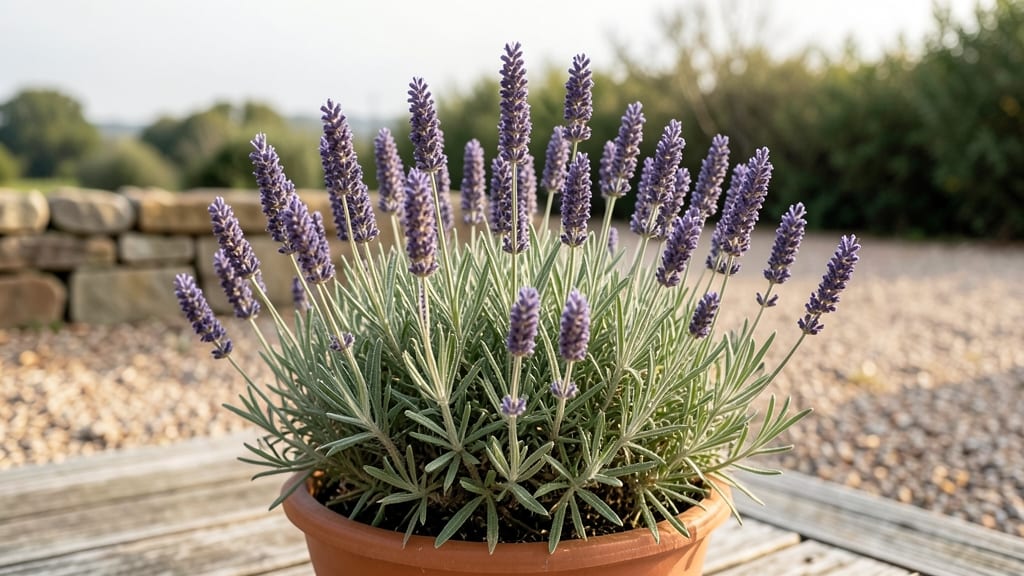
These images of small gardens will inspire you—creativity, not compromise, turns tight urban spaces into lush, functional retreats by stacking plants vertically, choosing dwarf varieties, and playing with layers. ✨ The key isn’t sacrificing beauty for size; it’s working with what you’ve got.
Think of your space as a canvas: narrow strips become vertical gardens with trellised climbers, while corners get filled with compact shrubs like ‘Little Gem’ magnolias or ‘Dwarf Fountain’ grasses.
Color coordination isn’t just pretty—it’s practical. A single bold shrub (like a deep purple abelia) anchors the look, while lighter fillers (like silver dusty miller) create depth without overwhelming.
By the end, you’ll have a garden that feels intentional, not cramped. The right shrubs add structure, privacy, and year-round interest—all while keeping maintenance manageable. Whether you’re working with a balcony, a tiny yard, or just a sunny window, these designs make every inch count.
Ready to see how it works? We’ll break down the best shrubs for small spaces, how to layer them for maximum impact, and even DIY hacks to stretch your growing area further. No more “small garden” excuses—just smart solutions.
📚 In This Guide
- What you need
- Instructions
- Tips and common mistakes
- Wrapping up and next steps
What you need
- ● Shrubs: Choose compact, slow-growing varieties like Dwarf Boxwood, Japanese Holly, or Dwarf Fothergilla (3–5 plants, depending on space). Opt for 1–2 gallon pots for mature plants or 4-inch pots for younger ones.
- ● Potting Soil: 10–20 lbs of high-quality, well-draining potting mix (e.g., Miracle-Gro Premium or Espoma Organic Potting Soil).
- ● Containers: Planters: 1–3 10–15 gallon containers (with drainage holes) for larger shrubs.
- ● Window Boxes or Hanging Baskets: 2–4 10–12 inch-long boxes/baskets for trailing or cascading shrubs like Creeping Juniper.
- ● Mulch: 2–3 cubic feet of organic mulch (e.g., pine bark or shredded leaves) to retain moisture and suppress weeds.
- ● Fertilizer: Slow-release granular fertilizer (e.g., Osmocote Smart-Release) or liquid feed (e.g., Miracle-Gro All-Purpose).
- ● Garden Gloves (1 pair, waterproof for comfort).
- ● Hand Trowel (for planting and soil adjustments).
- ● Pruning Shears (sharp, bypass-style for clean cuts).
- ● Watering Can or Hose with Adjustable Nozzle (for gentle watering).
- ● Measuring Tape (to plan spacing—aim for 12–18 inches apart for most shrubs).
- ○ Level (optional, for even container placement).
- ● Decorative Stones or Gravel (for a polished look around containers).
- ● Vertical Garden Panels (to maximize wall space for climbing shrubs like Clematis).
- ● Solar-Powered Garden Lights (to highlight your shrubs after dark).
- ● Self-Watering System (e.g., Drip Irrigation Kit) for low-maintenance care.
Instructions for creating a stunning small garden with space-saving shrubs
Let's transform your tiny urban yard into a lush, functional retreat using these proven shrub arrangements.
🌿 Step 1: Plan Your Layout Based on Sunlight and Space
Start by mapping your garden's sunlight patterns—most urban spaces get either morning sun, afternoon sun, or a mix. I like to sketch a rough layout on paper first, marking where the sun hits strongest at different times of day. This helps me place sun-loving shrubs like boxwood or dwarf lilacs in the brightest spots, while shade-tolerant varieties like hydrangeas or azaleas go in cooler corners.
For a 4-foot-wide space, you can fit 3-4 medium shrubs arranged in a staggered pattern. This creates visual depth without overwhelming the area. I always leave 18-24 inches between plants to allow for growth while keeping the look compact. Measure your space carefully—urban gardens often have unexpected obstructions like downspouts or sidewalks that affect placement.
🪴 Step 2: Choose Shrubs That Thrive in Containers or Small Beds
Select compact varieties specifically bred for small spaces—look for labels like "miniature," "dwarf," or "compact." I recommend starting with 4 shrubs that offer a mix of textures and bloom times. For example, pair a spring-blooming dwarf forsythia with a summer-flowering pink abelia, an evergreen boxwood, and a fall-color compact oakleaf hydrangea. This ensures year-round interest in a tiny footprint.
Container gardening works beautifully for small spaces. Use 15-18 inch pots for each shrub, which gives roots enough room while keeping the overall look tidy. If planting directly in the ground, prepare a 12-inch deep bed with 2 inches of compost mixed into the top 6 inches of native soil. This improves drainage and gives roots room to establish without competing with weeds.
☀️ Step 3: Plant with Proper Spacing and Mulching
Dig holes twice as wide as the root ball but only as deep as the container's drainage holes show. This prevents burying the shrub too deep, which can cause rot. Gently remove each plant from its container and loosen any circling roots with your fingers—this encourages outward growth rather than root-bound circles. Place the shrub in the hole so the top of the root ball sits 1 inch below the finished soil level.
Backfill with native soil mixed with 1 cup of slow-release fertilizer per plant. Water deeply until moisture reaches 6 inches down, then add 2 inches of mulch (like shredded bark) around the base, keeping it 3 inches away from the trunk. This conserves moisture, regulates soil temperature, and keeps weeds at bay. I always water again after mulching to settle everything in place.
💧 Step 4: Establish a Watering Routine for Young Shrubs
Newly planted shrubs need deep watering 2-3 times per week for the first 6-8 weeks to establish strong roots. I set a timer to water in the early morning so the soil has all day to absorb moisture before evening. Stick your finger 2 inches into the soil—if it feels dry, water again. Overwatering is just as harmful as underwatering, so let the top 1 inch of soil dry out between waterings once the plants are established.
After the initial establishment period, most compact shrubs only need 1 inch of water per week, either from rainfall or irrigation. I group my small garden plants together on a drip irrigation system with a timer to automate watering. This saves time and ensures consistent moisture without the risk of overwatering. Fertilize lightly in early spring with a balanced 10-10-10 formula to encourage lush growth.
✂️ Step 5: Prune for Shape and Health Year-Round
Light pruning in late winter or early spring keeps shrubs dense and encourages flowering. I always use clean, sharp pruners to make cuts just above a leaf bud or branch junction. For flowering shrubs like abelia or hydrangeas, prune right after they bloom to maintain shape without sacrificing next year's flowers. Remove any dead, diseased, or crossing branches first—they'll only detract from the neat look you're creating.
Shape your shrubs gradually over time rather than doing drastic cuts. A little maintenance every 4-6 weeks during the growing season keeps them looking their best. I also remove any suckers or water sprouts that appear at the base—these drain energy from the main plant. With proper pruning, your compact shrubs will stay neat, full, and healthy for years with minimal effort.
Tips & tricks for perfect space-saving shrub designs
Creating a stunning small garden doesn't have to be complicated—these simple strategies will help you maximize every inch of your urban space.
Sunlight Mapping Strategy: In Step 1, when you're mapping sunlight patterns, I recommend using a simple app like Sun Surveyor to track sun movement throughout the day. This helps you visualize how sunlight shifts and ensures you place sun-loving shrubs like boxwood in the right spots. For morning sun areas, consider adding drought-tolerant varieties like lavender to complement your shrubs.
Container Gardening Hack: When using 15-18 inch pots in Step 2, add a handful of perlite or pumice to the bottom of each pot before adding soil. This improves drainage and prevents root rot, especially important for urban containers that can dry out quickly. I also add a slow-release fertilizer tablet at planting time—it lasts for months and eliminates the need for frequent feedings.
Planting Depth Tip: In Step 3, when placing your shrubs so the top of the root ball sits 1 inch below soil level, use a small stake to mark the correct depth before digging. This visual guide prevents over-planting, which can cause rot. I also recommend adding a handful of mycorrhizal fungi to the planting hole—it helps roots establish faster in urban soils that often lack beneficial microbes.
Watering System Alternative: For Step 4's watering routine, if you don't have a drip irrigation system, consider using self-watering planters with reservoirs. These keep soil consistently moist while preventing overwatering. For in-ground plants, place a rain gauge near your garden to accurately track rainfall—this helps you adjust your watering schedule based on actual precipitation rather than guesswork.
Pro Tips for Images Of Small Gardens
- Creating a stunning small garden doesn't have to be complicated—these simple strategies will help you maximize every inch of your urban space.
- Sunlight Mapping Strategy: In Step 1, when you're mapping sunlight patterns, I recommend using a simple app like Sun Surveyor to track sun movement throughout the day.
- Container Gardening Hack: When using 15-18 inch pots in Step 2, add a handful of perlite or pumice to the bottom of each pot before adding soil.
Frequently asked questions
Got questions about transforming small spaces into lush, functional gardens? Here are some of the most common ones—and their answers—to help you get started with confidence!
What are the best shrubs for tiny urban gardens?
Opt for compact, slow-growing shrubs like Dwarf Boxwood, Japanese Holly, or Dwarf Fothergilla. These thrive in small spaces, require minimal pruning, and add texture or color without overwhelming your design. Check out our top picks for low-maintenance, space-saving varieties!
How can I maximize vertical space in a small garden?
Use trellises, wall-mounted planters, or tiered shelves to grow shrubs upward. Climbing shrubs like Clematis or Star Jasmine pair well with vertical structures, while hanging baskets add greenery without sacrificing floor space. Pro tip: Choose lightweight containers to avoid straining walls or fences.
When is the best time to plant shrubs in a small garden?
Spring or early fall are ideal—soil is warm enough for roots to establish, but temperatures aren’t extreme. Avoid planting in peak summer heat or freezing winter months. If you’re in a mild climate, late winter (just before new growth) can also work for bare-root shrubs.
How often should I water shrubs in a small, containerized garden?
Containers dry out faster than ground soil, so check moisture daily in hot weather. Water deeply every 2–3 days until soil is damp 2–3 inches down. In cooler months, reduce to once a week. Pro tip: Use a moisture meter or stick your finger in the soil to gauge needs—overwatering is just as harmful as underwatering!
What if my small garden gets too shady? Are there shrubs that tolerate low light?
Try Dwarf Gardenia, Inkberry Holly, or Oakleaf Hydrangea—they handle partial shade beautifully. For deeper shade, Japanese Fern or Creeping Phlox add color and texture. Just avoid sun-loving shrubs like Lavender or Rosemary in shaded spots.
How do I troubleshoot yellowing leaves on my small-garden shrubs?
Yellow leaves usually signal overwatering, nutrient deficiency, or pests. First, check soil moisture—let it dry slightly between waterings. If the issue persists, test soil pH or fertilize lightly with a balanced formula. Pro tip: Inspect leaves for spider mites or aphids; a gentle spray of soapy water can help if pests are the culprit.
Wrapping up and next steps
Small gardens are proof that big ideas don’t need big spaces—whether you’re transforming a tiny balcony, a cozy courtyard, or a narrow yard into a lush retreat.
From vertical shrubs to layered designs, the right plants and layout can turn even the most compact area into a thriving, stylish oasis. 🌿✨
Ready to bring your vision to life? Start by sketching your space, selecting low-maintenance shrubs, and experimenting with containers or trellises. Every inch counts—so get creative, stay patient, and watch your small garden flourish! Now grab those shears and plant something beautiful.