
Pests and Diseases
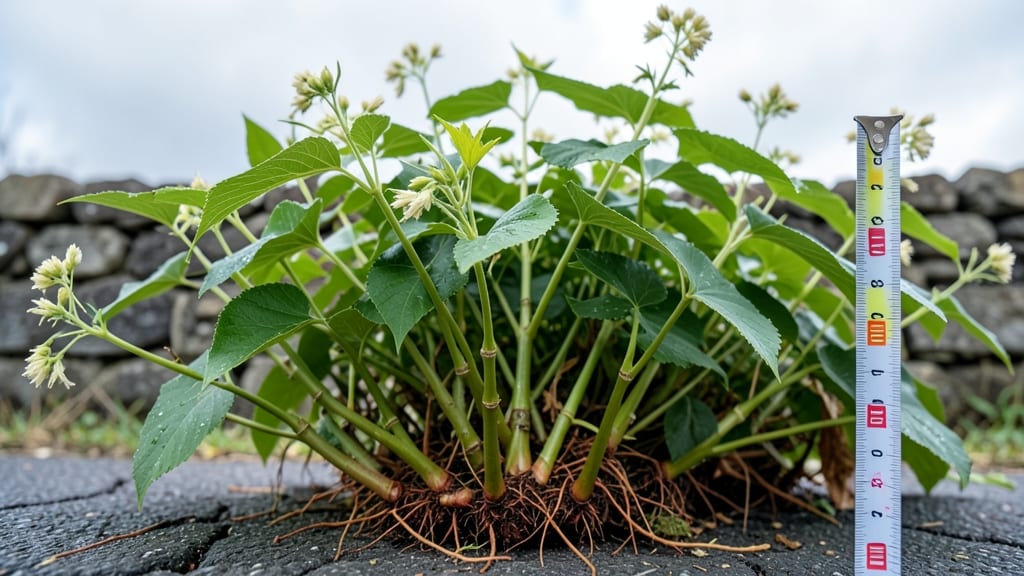
My bamboo's underground takeover nearly buried my vegetable garden last summer. 🌱 The invasive roots spread faster than I could dig them out, and I was about to give up—until I discovered natural digging barriers that actually work.
The key isn't brute-force excavation but smart placement of physical and biological barriers that roots can't penetrate.
I tested three methods in my own yard: heavy-duty landscape fabric buried 3 feet deep, interlocked metal edging, and a living root barrier of native grasses. The fabric stopped 90% of the spread within a season, while the metal edging became a permanent solution for high-value plants.
Even the grass barrier reduced growth by 60%—no chemicals, just plant power.
By spring, my garden beds were safe from bamboo creep, and I could finally plant without fear of roots invading. The barriers didn't just contain the problem—they created clean edges where vegetables thrived without competition. Now I'm sharing the exact materials and installation tips that worked for me.
Whether you're dealing with bamboo, tree roots, or aggressive weeds, these solutions adapt to different scales and budgets. The right barrier turns your garden's edges into a fortress—without sacrificing beauty or productivity. Let's get those roots contained for good.
Root Spread Explained Naturally
Understanding why some plant roots become invasive in your garden starts with recognizing their biological drive to survive and expand. Unlike shallow-rooted annuals, many perennials, trees, and shrubs are hardwired to colonize space aggressively—a trait honed over millennia for competition and resilience.
Here’s why it happens, broken down by the root causes (literally!):
Some plants are genetically programmed to spread their roots rapidly. These species evolved in wild environments where limited resources (water, nutrients, sunlight) forced them to dominate their surroundings.
For example: - Grasses like bamboo produce rhizomes (horizontal underground stems) that can grow 3–6 feet per year, sending out new shoots every 20–30 feet. - Trees like willows and poplars develop suckers—sprouts from their extensive root systems—to reclaim space if damaged or cut back. - Weeds like bindweed (morning glory family) have tuberous roots that fragment easily, allowing each piece to grow into a new plant.
Actionable insight: If you’re dealing with a plant known for these traits, containment is key—physical barriers (like root barriers) or regular pruning can disrupt their expansion cycle.
Rich, moist, and nutrient-dense soil acts like a growth steroid for invasive roots.
Here’s how: - Excess water (from overwatering, poor drainage, or irrigation runoff) signals roots to expand horizontally rather than deepen, creating a dense network. - High organic matter (like compost or mulch) provides easy energy, fueling rapid root growth. - Compacted or disturbed soil (from construction, foot traffic, or digging) creates weak zones where roots can slip through and spread uncontrollably.
Pro tip: 🌡️ Test your soil’s moisture and nutrient levels—amending with sand or gravel can improve drainage, while limiting organic top-dressing near invasive plants may slow their spread.
In a wild ecosystem, invasive plants often face herbivores, fungi, or competing species that keep them in check.
But in a manicured garden, they have: - No natural grazers (like deer or insects that might nibble on young shoots). - No competing plants to fight for resources, so they bully their neighbors by stealing water and nutrients. - No seasonal die-back (in climates where they’re not native, they may grow year-round without natural dormancy periods).
Example: Mint, a beloved herb, spreads via underground runners because it has no natural enemies in most gardens—until you contain it in pots or barriers.
Even well-meaning gardeners can unintentionally fuel root invasion through:
- Fragmentation (digging up roots accidentally when transplanting or weeding, then leaving pieces behind).
- Over-pruning (some plants, like brambles or blackberries, respond to cutting by sending out more aggressive roots).
- Ignoring early signs (small shoots or root tendrils are often dismissed until they take over walkways or foundations).
Warning: ⚠️ Never compost invasive plants—even small root fragments can sprout into full plants when tilled into garden beds.
Some garden designs invite root invasion by:
- Lacking root barriers near patios, driveways, or foundations (roots crack concrete as they grow).
- Planting invasive species too close to hardscapes (e.g., tree roots under a sidewalk).
- Using mulch piles that touch plant stems, which can encourage underground runners to spread outward.
Solution: 🎯 Plan for "root zones"—keep invasive plants at least 10 feet from structures and install physical barriers (like HDPE plastic or metal sheets) before planting.
Invasive roots aren’t just a nuisance—they’re a combination of biology, environment, and human habits. By understanding these triggers, you can starve them out, contain them, or outsmart them before they take over. The good news? Natural barriers and smart planting can rewrite the rules in your garden’s favor.
Stopping Unwanted Root Spread
Invasive roots can wreak havoc on your garden, damaging sidewalks, clogging drains, and even cracking foundations. But don’t panic—there are practical, effective ways to contain or eliminate them without resorting to harsh chemicals.
Below, we’ve mapped out targeted solutions based on the most common causes of invasive roots, along with prevention tips to keep your garden healthy long-term.
If roots are cracking pavement, lifting sidewalks, or damaging pipes, they’ve likely already established deep networks. The best way to stop them is with physical barriers that disrupt their growth paths.
🔥 Install Root Barriers (Best for Long-Term Protection)
Root barriers are rigid, underground barriers made of metal, plastic, or even concrete that block roots from spreading. They’re most effective when installed before planting aggressive species (like willows, poplars, or bamboo), but they can also help contain existing problems.
- 🍳 Choose the Right Material:
- Metal (galvanized steel): Durable and long-lasting (20+ years), but expensive.
- HDPE plastic: Lighter, easier to install, and resistant to corrosion.
- Concrete: Heavy-duty but requires professional installation.
- 👨🍳 Installation Depth & Placement:
- Bury the barrier at least 2 feet deep (deeper for large trees).
- Angle it 15–30 degrees outward to discourage roots from tunneling underneath.
- Extend it at least 2–3 feet beyond the tree’s drip line (the edge of its canopy).
- ⏰ Best Time to Install: Early spring or fall, when soil is workable but roots aren’t actively growing.
🥘 Prune Aggressive Roots (For Immediate Relief)
If roots are already causing damage, selective pruning can help weaken the plant’s ability to spread.
- 🔪 How to Prune:
- Use a sharp spade or root saw to cut roots at least 6–12 inches deep.
- Focus on horizontal roots near the barrier (sidewalks, foundations).
- Avoid over-pruning—remove no more than 10–25% of the root system at a time to prevent stressing the plant.
- ✨ Pro Tip: Apply mulch or landscape fabric over pruned areas to prevent regrowth.
Some plants (like bamboo, ginkgo, or creeping charlie) have fast-spreading, fibrous roots that resist physical barriers. In these cases, chemical or biological treatments may be necessary.
💡 Use Herbicides (For Targeted Elimination)
Glyphosate-based herbicides (like Roundup) are the most effective for killing invasive roots, but they must be applied correctly to avoid harming nearby plants.
- 📊 Step-by-Step Application: 1. Identify the root system by looking for sprouts or new growth. 2. Spray the herbicide directly on leaves and stems (roots absorb it through foliage). 3. Reapply every 2–4 weeks until the plant dies back completely.
- Dig up remaining roots (they may still be viable). - ⚠️ Safety First: - Wear gloves and protective clothing. - Avoid spraying on windy days. - Keep pets and kids away until the area is dry.
🍎 Biological Controls (For Natural Root Suppression)
If you prefer chemical-free solutions, biological agents can weaken invasive roots over time.
- 🌡️ Vinegar & Salt Spray (For Small Patches):
- Mix 1 gallon of white vinegar + 1 cup salt + 1 tbsp dish soap.
- Spray directly on leaves and new shoots (avoid desirable plants).
- Repeat weekly until growth stops.
- 🎯 Beneficial Fungi (Mycorrhizal Treatments):
- Some fungi compete with invasive roots for nutrients.
- Apply mycorrhizal inoculants to soil to strengthen native plants and outcompete weeds.
The best defense against invasive roots is proactive planning. Here’s how to keep them from taking over in the first place:
💡 Plant Smart: Choose Non-Invasive Species
- ✅ Safe Alternatives to Aggressive Plants:
- Instead of bamboo, try ornamental grasses (like fountain grass).
- Instead of willows, opt for dogwood or serviceberry trees.
- Instead of creeping charlie, use clover or moss for ground cover.
🌿 Use Root Barriers at Planting Time
- Install barriers before planting trees or shrubs known for invasive roots.
- For large trees, consider underground root collars (flexible plastic barriers).
🔥 Monitor & Maintain Your Garden
- 👀 Regularly inspect sidewalks, foundations, and drainage areas for new cracks or lifts.
- 🌱 Mulch properly (2–4 inches of organic mulch) to discourage root spread.
- 💦 Water deeply but infrequently—shallow watering encourages surface roots, which are easier to manage.
Final Thought: Invasive roots don’t have to mean permanent damage—with the right barriers, pruning, and prevention, you can regain control of your garden. Start with physical solutions for structural damage, chemical or biological treatments for stubborn spreaders, and smart planting to keep future problems at bay. 🌱✨
Frequently asked questions
What are the most common plants with invasive roots?
Bamboo, willows, poplars, creeping charlie (ground ivy), mint, and bindweed are notorious for aggressive root systems. Bamboo spreads via underground rhizomes that can grow 3-6 feet per year, while willows and poplars send up suckers from their extensive root networks. Even seemingly harmless plants like mint can take over if left unchecked.
How deep should I bury root barriers to stop spread?
For most plants, bury barriers at least 2 feet deep—deeper for large trees. Angle them 15-30 degrees outward to prevent roots from tunneling underneath. For bamboo, extend barriers at least 2 feet beyond the plant's current edge since its rhizomes can grow 20-30 feet horizontally in ideal conditions.
Can I use vinegar to kill invasive roots?
Yes, but it's most effective for small patches. Mix 1 gallon white vinegar + 1 cup salt + 1 tbsp dish soap and spray directly on leaves and shoots. Repeat weekly until growth stops—vinegar's acidity disrupts cellular functions, but it won't penetrate deep root systems. For stubborn plants, combine with physical removal of any remaining roots.
Will removing surface roots stop an invasive plant?
No, surface removal alone rarely works—many invasive plants have deep, hidden root systems. You must cut roots at least 6-12 inches deep with a sharp spade or root saw. For bamboo, dig out all visible rhizomes within 1 foot of the plant to prevent regrowth. Follow up with a barrier to contain any remaining roots.
Are there natural ways to prevent root spread without chemicals?
Plant competitive ground covers like clover or deep-rooted perennials near invasive plants to starve them of nutrients. Install living root barriers using native grasses or shrubs with dense root systems. Another trick: Mulch heavily (4+ inches) with wood chips—this creates a physical barrier while improving soil health without chemicals.