
Tools
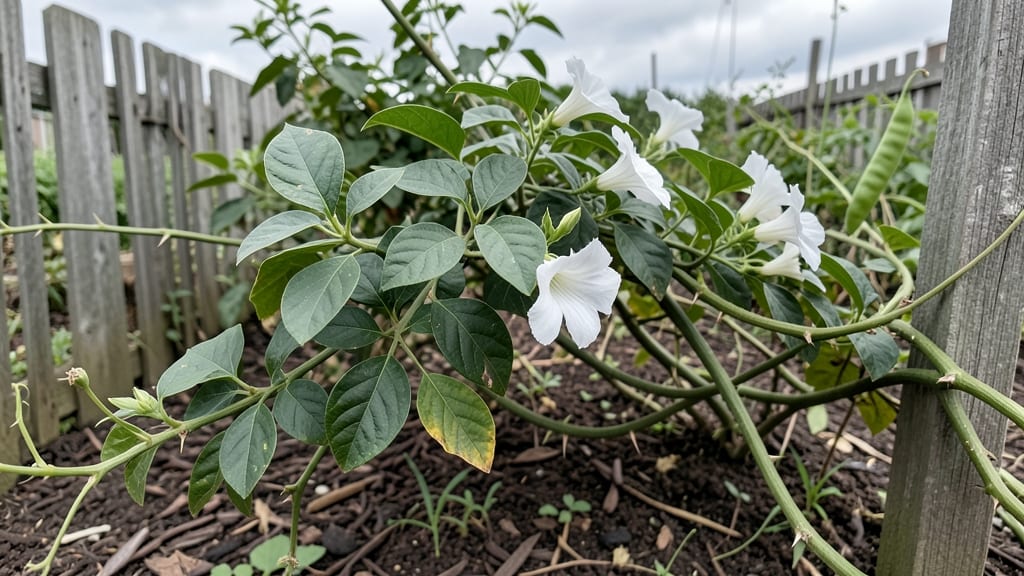
Creating a jasmine garden transforms your outdoor space into a fragrant sanctuary where every breeze carries a whisper of sweetness. 🌿 I learned this the hard way—planting jasmine haphazardly just leads to tangled vines and missed opportunities.
The real magic happens when you plan its placement like a master: near patios, along trellises, or framing entryways where the scent naturally draws you in.
Jasmine thrives with minimal fuss—just 6 hours of sun daily, well-draining soil, and a sturdy support structure if climbing. Pair it with lavender for a fragrant duo that repels pests while keeping bees buzzing.
My favorite setups combine star jasmine (for quick ground cover) with climbing varieties like Arabian jasmine, which perfumes the air by midsummer. The key is giving it room to spread without crowding other plants.
Imagine stepping onto a path lined with jasmine vines, their glossy leaves catching morning light as you inhale the intoxicating perfume. By late spring, clusters of star-shaped blooms will blanket your garden, attracting hummingbirds and filling evenings with a natural aroma that rivals any candle.
The best part? These vines keep producing fragrance for months, turning even ordinary afternoons into moments of quiet bliss.
Works in containers for small spaces or as a living privacy screen for larger yards. Whether you're framing a window, dressing a fence, or creating a fragrant walkway, jasmine adapts beautifully.
The secret is patience—give it a season to establish, and it’ll reward you with years of effortless elegance and sensory delight.
📚 In This Guide
- What you need
- Instructions
- Tips and common mistakes
- Wrapping up and next steps
What you need
- ● Jasmine plants: Choose between Jasminum officinale (common jasmine), Jasminum sambac (Arabian jasmine), or Trachelospermum jasminoides (star jasmine). Plan for 3–5 plants for a small garden or 10+ for a fragrant pathway.
- ● Potting soil: 5–10 gallons (depending on plant size), well-draining and rich in organic matter (e.g., compost or peat-based mix).
- ● Mulch: 2–3 bags of wood chips or pine straw to retain moisture and suppress weeds.
- ● Fertilizer: A balanced 10-10-10 or slow-release granular fertilizer (follow package rates for application).
- ● Pruning shears: 1 pair (bypass pruners for clean cuts, sharp and sterilized).
- ● Garden gloves: 1 pair (nitrile or leather for durability).
- ● Trowel: 1 medium-sized (for digging and transplanting).
- ● Watering can or hose: 1 (with a gentle spray nozzle for delicate jasmine foliage).
- ● Measuring tape: 1 (to plan spacing—jasmine needs 3–6 feet apart for climbing varieties).
- ○ Trellis or arbor: 1–2 (optional but recommended for climbing jasmine; choose 6–8 feet tall for full coverage).
- ● Scented companion plants: Pair with lavender, roses, or gardenias for a layered fragrance experience.
- ● Solar-powered garden lights: 2–4 to highlight your jasmine pathway at night.
- ● Decorative stones or pebbles: For a polished look around plant bases.
- ● Birdhouses or feeders: To attract pollinators and add life to your garden.
Step-by-Step instructions for designing a fragrant jasmine garden
Here’s how to create a lush, fragrant retreat using jasmine’s natural beauty and intoxicating scent.
🌱 Step 1: Choose the Right Jasmine Varieties for Your Climate
Start by selecting jasmine types that thrive in your USDA hardiness zone. For cooler climates, Jasminum officinale (common jasmine) or Jasminum nudiflorum (winter jasmine) are hardy choices. In warmer zones, Arabian jasmine (Jasminum sambac) or star jasmine (Trachelospermum jasminoides) will flourish year-round.
I always check local nurseries for disease-resistant varieties—ask which types perform best in your area. For a fragrant pathway, climbers like jasmine officinale work beautifully, while star jasmine offers a compact, bushy option. Planting a mix of both creates layered scent and visual interest.
☀️ Step 2: Select Sunlight and Soil Conditions
Jasmine thrives in full sun to partial shade—at least 6 hours of sunlight daily for best flowering. In hot climates, afternoon shade prevents leaf scorch. I test soil drainage by digging a 6-inch hole, filling it with water, and timing how long it takes to drain. If water lingers beyond 2 hours, amend the soil with 2-3 inches of compost or sand to improve drainage.
Jasmine prefers well-draining, slightly acidic soil (pH 6.0-7.0). A simple soil test kit confirms pH levels. If your soil is too alkaline, mix in peat moss or sulfur to adjust. Avoid heavy clay—it suffocates roots and causes rot. Amend the planting area with 3-4 inches of organic matter before installing plants.
🪴 Step 3: Plant Jasmine Along Pathways or Trellises
For a fragrant pathway, space climbing jasmine 3-4 feet apart along a 6-foot-tall trellis or arbor. Dig holes twice as wide as the root ball and just as deep. Gently loosen roots if they’re circling, then place the plant in the hole, backfilling with soil. Press firmly around the base to eliminate air pockets.
I always stake young plants with 2-3 bamboo supports tied loosely to the trellis. This prevents wind damage while roots establish. Water deeply right after planting—until 2 inches of soil feels moist. Mulch with 2-3 inches of wood chips to retain moisture and suppress weeds. Avoid mulching too close to the stem to prevent rot.
💧 Step 4: Water and Fertilize for Continuous Blooms
Water jasmine deeply once a week during the first growing season, allowing top 2 inches of soil to dry between waterings. Overwatering causes root rot, so always check moisture levels. In hot weather, increase to twice weekly if the soil feels dry 1 inch below the surface. Drip irrigation works best—it delivers water directly to roots without wetting leaves.
Fertilize lightly in early spring with a balanced 10-10-10 fertilizer (follow package rates). Too much nitrogen promotes leafy growth at the expense of flowers. I switch to a low-phosphorus, high-potassium formula (5-10-10) in late spring to encourage blooming. Stop fertilizing in fall to allow plants to harden off for winter.
✂️ Step 5: Prune and Maintain for Year-Round Fragrance
Prune jasmine after flowering (late spring to early summer) to shape the plant and encourage new growth. Remove dead or crossing branches first, then trim back overly long stems by one-third to maintain an open structure. For climbing varieties, tie new growth to the trellis as it grows—this prevents tangling and ensures even coverage.
In winter, cut back winter jasmine (Jasminum nudiflorum) by half to promote fresh growth in early spring. For evergreen types, a light pruning in late winter removes any damaged wood. I always clean pruning shears with rubbing alcohol between cuts to prevent disease spread. Deadhead spent flowers regularly to redirect energy into new blooms.
Tips & tricks for perfect jasmine garden design
Creating a fragrant jasmine pathway takes thoughtful planning—here are the game-changing tips that'll make all the difference in your garden's success.
Variety Layering: In Step 1, when selecting jasmine types, consider planting Jasminum officinale along the pathway edges and star jasmine in hanging baskets above. This creates a vertical scent experience—climbers release fragrance as you walk, while bush varieties perfume the air from above. I've found that mixing both types extends your blooming season by 4-6 weeks compared to planting just one variety.
Soil Drainage Test: The 2-hour drainage test in Step 2 is crucial—don't skip it! I've seen jasmine plants die within weeks from overwatering in heavy clay soil. If your soil drains too slowly, add 2-3 inches of coarse sand mixed into the bottom of the planting hole. This creates a natural drainage layer that prevents root suffocation while still allowing moisture to reach the roots.
Planting Depth Secret: When planting in Step 3, make sure the top of the root ball sits 1 inch above soil level. This prevents water from pooling around the stem during irrigation. I also recommend planting on a slight slope (just a 5-degree angle) to encourage water runoff away from the base, which dramatically reduces rot risk in humid climates.
Watering Wisdom: The once-weekly watering guideline in Step 4 works best with deep watering—use a garden trowel to check moisture 2 inches down. In my experience, shallow watering encourages shallow roots that struggle during drought. For container-grown jasmine, I've found using a moisture meter with a 3.3 reading as the ideal trigger for watering instead of relying on schedules.
Pro Tips for Jasmine In Garden
- Creating a fragrant jasmine pathway takes thoughtful planning—here are the game-changing tips that'll make all the difference in your garden's success.
- Variety Layering: In Step 1, when selecting jasmine types, consider planting Jasminum officinale along the pathway edges and star jasmine in hanging baskets above.
- Soil Drainage Test: The 2-hour drainage test in Step 2 is crucial—don't skip it!
Frequently asked questions
about growing jasmine in your garden—because every fragrant dream deserves a little clarity!When is the best time to plant jasmine in my garden?
The ideal time to plant jasmine is in early spring (after the last frost) or fall (4-6 weeks before the first frost). This gives the plant time to establish roots before extreme temperatures. For container-grown jasmine, you can plant year-round in mild climates!
How much sunlight does jasmine need to thrive?
Most jasmine varieties love full sun to partial shade (6+ hours of sunlight daily). However, some types (like Jasminum polyanthum) tolerate shade better. Observe your plant’s leaves—if they’re pale, it might need more sun; if they’re scorched, provide afternoon shade.
Why isn’t my jasmine flowering? What can I do?
Jasmine may skip blooms due to over-fertilizing (too much nitrogen), poor sunlight, or young age. Try pruning lightly after flowering, ensuring it gets balanced fertilizer (low in nitrogen), and providing consistent moisture. Patience is key—some varieties take 2-3 years to bloom!
Can I grow jasmine in containers? What’s the best setup?
Use a well-draining pot (at least 12 inches deep) with a mix of potting soil and perlite. Choose trailing varieties like Jasminum officinale for vertical gardens or dwarf types for smaller spaces. Water regularly and fertilize monthly during growing season. Pro tip: Place containers near a trellis or balcony railing!
What pests should I watch for, and how do I treat them?
Jasmine is generally pest-resistant, but watch for aphids, spider mites, or whiteflies. Treat mild infestations with a strong spray of water or insecticidal soap. For severe cases, use neem oil. Prevention tip: Keep the area around your jasmine free of debris to deter pests.
Does jasmine survive winter? How should I protect it?
Hardy jasmine varieties (like Jasminum nudiflorum) tolerate cold down to -20°F, but tender types need protection. Mulch the base with straw or leaves, wrap containers in bubble wrap, or move potted plants to a sheltered spot. Prune dead growth in early spring.
Wrapping up and next steps
Transforming your garden into a fragrant haven with jasmine isn’t just about aesthetics—it’s about crafting a sensory escape that soothes the soul. From selecting the right varieties to designing pathways and maintaining lush blooms, every step brings you closer to a tranquil outdoor retreat. 🌸
Ready to take the next step? Start small—plant a single jasmine vine or sketch your dream fragrant pathway. Your garden’s serene transformation begins with a single seed (or sapling!). Happy planting, and may your outdoor space always whisper sweetness on the breeze.