
Size
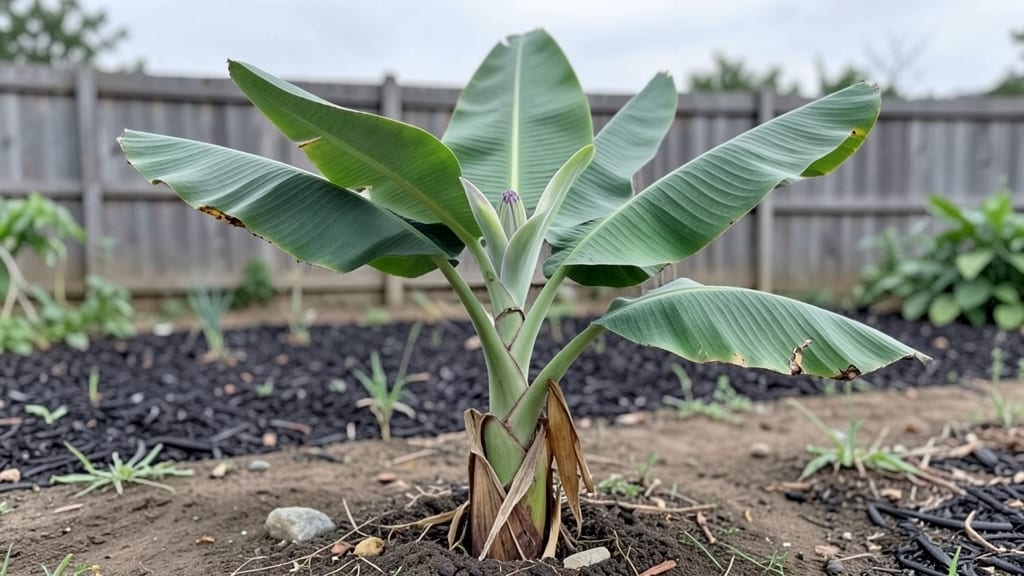
Growing Java bananas in your garden means tropical fruit within reach—even if you only have a patio or small yard. 🌿 I’ve grown these compact, cold-hardy bananas for years, and they produce sweet, creamy fruit without taking over like their giant cousins.
The key is mimicking their natural habitat: rich soil, warmth, and consistent moisture.
You’ll need a 5-gallon container (or larger for multiple plants), well-draining potting mix with compost, and a spot that gets full sun for at least 6 hours a day. Java bananas thrive in zones 9–11 but can survive brief dips to 25°F with protection.
Water deeply when the top inch of soil dries, and fertilize monthly with a balanced organic mix during growing season.
By summer, you’ll see those signature banana-shaped leaves unfurl, followed by clusters of small, sweet fruit in fall or winter. The plants stay manageable—5–8 feet tall—and produce year after year. Even in containers, they reward patience with harvests that taste like vacation.
For colder climates, bring pots indoors before frost or grow them as annuals. Prune dead leaves in early spring to encourage new growth. With the right care, your Java banana could be the most unexpectedly productive plant in your garden.
📚 In This Guide
- What you need
- Instructions
- Tips and common mistakes
- Wrapping up and next steps
What you need
- ○ Container: At least 15–20 gallons (24–30 inches deep) with drainage holes. Use fiberglass, plastic, or wood (avoid untreated wood). Optional: A saucer or tray to catch runoff.
- ● Java Banana Plant: 1 healthy potted sapling (3–6 months old) or rhizome from a nursery. Look for varieties labeled "Java banana" or "Musa acuminata."
- ● Potting Mix: 1 part coconut coir + 1 part perlite + 1 part compost (or a well-draining tropical mix). Avoid heavy garden soil!
- ● Fertilizer: Balanced fertilizer (10-10-10 or 20-20-20) for initial planting.
- ● Slow-release organic fertilizer (e.g., banana-specific pellets or worm castings) for ongoing growth.
- ● Mulch: 2–3 inches of straw or wood chips to retain moisture and regulate temperature.
- ● Watering Can or Hose: With a gentle spray nozzle for even moisture distribution.
- ● Support Stake or Trellis: A 5–6 foot tall bamboo stake or metal cage to train the banana plant as it grows.
- ● Pruning Shears: Sharp, sterilized shears for trimming dead leaves or suckers.
- ● pH Test Kit: To monitor soil pH (ideal range: 5.5–7.0).
- ● Location: A sunny spot (6+ hours of direct sunlight daily). Partial shade in hot climates (90°F+) helps prevent leaf scorch.
- ● Temperature: 70–85°F (Java bananas thrive in warmth but tolerate brief dips to 50°F). Frost = death!
- ● Humidity: 60%+ humidity (use a humidifier or misting system if your climate is dry).
- ● Water Access: Easy access to water (banana plants drink 1–2 gallons daily in hot weather!).
- ● Patience: Java bananas take 1–2 years to fruit in containers—plan ahead!
- ● Container Wheels: For easy relocation if sunlight shifts.
- ● Self-Watering System: A drip irrigation kit to automate watering.
- ● Grow Lights: If indoors, use full-spectrum LED lights (12+ hours/day).
- ● Compost Tea: For a natural nutrient boost during growing season.
- ● Fruit Ripening Kit: Ethylene-releasing bags or ripe apples to speed up banana ripening.
Step-by-Step guide to growing Java bananas in containers
Here’s how to cultivate these stunning tropical plants and watch them thrive in pots.
🌱 Step 1: Select the Right Container and Soil Mix
Java bananas need room to grow, so choose a container that’s at least 18 inches deep and 24 inches wide—think of it as a small tree in a pot. Drainage is critical, so add a 3-inch layer of gravel or broken pottery at the bottom before filling with a mix of 50% potting soil, 30% coconut coir, and 20% perlite. This blend ensures airflow while holding moisture without drowning roots.
Java bananas are heavy feeders, so work in 1 cup of balanced organic fertilizer (like 5-5-5) into the soil mix. Tap the container gently to settle everything, leaving about 2 inches of space at the top for watering. Don’t skip this—poor drainage or compacted soil will stunt growth or invite root rot.
🌿 Step 2: Plant the Sucker or Offshoot
Java bananas grow from suckers (offshoots) rather than seeds. Plant a healthy, 4-6 inch tall sucker at the edge of the container, burying it just enough to cover the base of the stem. Press the soil lightly around it to secure it but avoid compacting. If planting multiple suckers, space them 12-18 inches apart—they’ll spread as they mature.
Water deeply right after planting until it drains from the bottom holes. You’ll know it’s right when the soil feels damp 2 inches down but not soggy. Java bananas love moisture but hate waterlogged roots. Place the pot in a bright, indirect light spot (like under a shade cloth) for the first week to help it establish.
☀️ Step 3: Provide Optimal Light and Temperature
Java bananas crave bright, filtered light—think dappled sunlight or 4-6 hours of morning sun daily. Too much direct sun will scorch the leaves, while too little makes them stretch and weaken. If indoors, a south-facing window or grow light keeps them happy. Rotate the pot quarter-turn weekly so growth stays even.
Keep temperatures between 65-85°F—they’re tropical, so drafts or cold snaps will shock them. If nights drop below 55°F, move the plant indoors or use a small space heater (safely!) to maintain warmth. You’ll see new leaves emerge within 4-6 weeks—that’s your sign it’s thriving.
💧 Step 4: Water and Fertilize for Growth
Water when the top 2 inches of soil feel dry—usually every 3-4 days in warm weather, less in cooler months. Stick your finger in the soil to check; if it’s damp, wait another day. Overwatering is the #1 killer of container-grown Java bananas. Always water at the base, not the leaves, to prevent fungal issues.
Feed every 4-6 weeks with a liquid fertilizer (like fish emulsion) diluted to half-strength. You’ll notice stronger stems and larger leaves within a month. In late summer, switch to a low-nitrogen, high-potassium fertilizer to encourage flowering. Prune any yellow or damaged leaves immediately—they sap energy from the plant.
✂️ Step 5: Support and Harvest the Fruit
As the plant grows, install a sturdy stake or trellis to support the heavy fruit clusters. Java bananas can reach 6-10 feet tall, so secure the stake 12 inches deep and tie the stem loosely with soft twine. Don’t cinch it tight—you want room for growth. Watch for flower spikes in late spring; they’ll appear as dramatic, arching blooms.
Harvest when the fruit turns bright yellow and feels slightly soft to the touch—usually 6-8 months after flowering. Cut the bunch with 2 inches of stem attached for longer shelf life. Store in a cool, dry place for up to 2 weeks. With proper care, your Java banana can produce fruit year-round in warm climates or seasonally in cooler ones.
Tips & tricks for perfect container-grown Java bananas
Between us, growing Java bananas in containers is one of those rewarding projects where small details make all the difference. Here's what I've learned after watching these tropical beauties thrive in pots.
Container Size and Depth: That 18-inch depth in Step 1 isn't just arbitrary—Java bananas develop deep root systems. If you're tempted to use a shallower pot, think again. The roots need room to establish downward while the plant grows upward. I've seen plants in 12-inch pots struggle to support their own weight after just a year. For multiple suckers, that 12-18 inch spacing in Step 2 becomes crucial as they'll compete for nutrients and space.
Temperature Matters: The 65-85°F range in Step 3 is your sweet spot, but here's the thing about nighttime temps: if they dip below 55°F, you'll notice the leaves start curling or darkening within days. I keep a small thermometer near my plants during cooler months—it's saved me from losing plants to unexpected cold snaps. For indoor growers, position your plant away from drafty windows or air vents, which can create microclimates that confuse the plant.
Watering Wisdom: The "top 2 inches dry" rule in Step 4 is perfect, but I've found a trick that works even better: stick your finger about 3 inches down after watering. If it's damp at that depth, you've got it right. The key is consistency—Java bananas hate both drought and soggy conditions. I've ruined plants by assuming "every 3-4 days" works universally, but humidity levels and pot size change that. Always check before watering.
Support System: That 12-inch deep stake in Step 5 needs to be secured well—these plants get heavy! I've seen stakes pull out when the first fruit appears. Bury the stake deeper than the instructions suggest if your soil is loose. For extra stability, use two stakes on opposite sides of the plant and tie them together at the top. This creates a more stable structure for the heavy fruit clusters that will develop.
Pro Tips for Java Banana Grow A Garden
- Between us, growing Java bananas in containers is one of those rewarding projects where small details make all the difference.
- Container Size and Depth: That 18-inch depth in Step 1 isn't just arbitrary—Java bananas develop deep root systems.
- Temperature Matters: The 65-85°F range in Step 3 is your sweet spot, but here's the thing about nighttime temps: if they dip below 55°F, you'll notice the leaves start curling or darkening within days.
Frequently asked questions
Got questions about growing Java bananas in containers? You’re not alone! Here are some of the most common concerns—and straightforward answers—to help you cultivate a thriving tropical harvest.
How long does it take for Java banana trees to bear fruit in containers?
Java bananas (or Musa acuminata) typically take 1.5 to 3 years to produce fruit when grown in containers, depending on climate, care, and variety. Patience is key—focus on healthy growth first! Use well-draining soil and a large pot (at least 15 gallons) to speed up maturity.
Can Java bananas grow in cold climates, or do they need a greenhouse?
Java bananas are tropical and cannot tolerate frost. In colder zones (below USDA Zone 10), grow them in greenhouses, conservatories, or move pots indoors during winter. Use grow lights if natural light is limited. A heated greenhouse keeps them thriving year-round! →
Why aren’t my Java banana leaves turning green, and how can I fix it?
Yellowing or pale leaves often signal nutrient deficiency, overwatering, or poor light. Check for:
- Nitrogen deficiency (use a balanced fertilizer like 10-10-10).
- Root rot (ensure pots have drainage holes and soil dries slightly between waterings).
- Low light (move to a sunnier spot or supplement with grow lights).
Are there dwarf Java banana varieties better suited for containers?
Yes! Look for dwarf or compact varieties like Musa acuminata ‘Dwarf Cavendish’ or ‘Red Dacca’, which stay under 6–8 feet tall. These are ideal for containers and produce smaller, manageable fruit bunches. Avoid giant varieties like Musa balbisiana, which can outgrow pots quickly.
What pests commonly attack Java banana trees, and how do I prevent them?
Java bananas may face spider mites, aphids, or banana weevils. Prevent issues with:
- Neem oil spray (weekly preventive treatment).
- Inspect leaves regularly for eggs or webs.
- Avoid overwatering (weevils thrive in soggy soil).
Pro Tip: Can I grow Java bananas from store-bought fruit?
While possible, it’s tricky and unreliable. Store-bought bananas are often treated to prevent sprouting. For better success:
- Choose organic, unpeeled bananas with visible buds.
- Soak the seed (if present) in water for 24 hours, then plant in moist soil.
- Be patient—germination can take months to years!
Wrapping up and next steps
Growing Java bananas in containers is a rewarding way to bring tropical flavors to your garden—even in small spaces! 🌱 With the right soil, sunlight, and care, you’ll soon enjoy fresh, sweet fruit right at home.
Whether you’re a beginner or a seasoned gardener, this method proves that big harvests don’t require big yards.
Now that you’re equipped with the know-how, why not take the next step? Start with a single plant, experiment with container sizes, or even share your progress with fellow plant lovers. Your tropical oasis is just a few seeds away—happy growing! 🌿