
Companion Plants
Gardening tropical plants 🌴 can turn your home into a vibrant, green escape—even if you live in a dry climate.
Bringing tropical plants indoors doesn’t mean sacrificing lush foliage or vibrant blooms—these humidity-loving varieties thrive with the right care, transforming any space into a jungle oasis. Whether it’s a Monstera climbing the wall or a Calathea shimmering in the light, the key is mimicking their natural environment.
You don’t need a greenhouse to grow them—just a few simple adjustments like consistent humidity, bright indirect light, and the right soil.
I’ll walk you through the easiest tropical plants for beginners, how to keep them happy year-round, and the common mistakes that kill them faster than a sudden draft.
Ready to bring the tropics home? By the end, you’ll know exactly which plants to pick, how to water them without drowning their roots, and the secret tricks to keep them thriving even in winter.
Best humidity-loving tropical plants for indoor gardens
Transforming your home into a tropical paradise is easier than you think! These humidity-loving tropical plants thrive indoors with the right care, bringing vibrant foliage and exotic beauty to any space. The key is replicating their natural high-humidity environments—think lush rainforests, not arid deserts.
From beginner-friendly Monstera deliciosa to striking Calathea orbifolia, these plants reward you with dramatic growth and stunning textures when given their preferred conditions.
Most tropical plants prefer 60-80% humidity, which is rare in average homes (typically 30-50%). Don’t worry—simple adjustments like pebble trays, regular misting, or grouping plants together can make all the difference.
Below, I’ve curated the top 5 tropical plants that adapt best to indoor conditions while demanding minimal fuss once their basic needs are met.
🌿
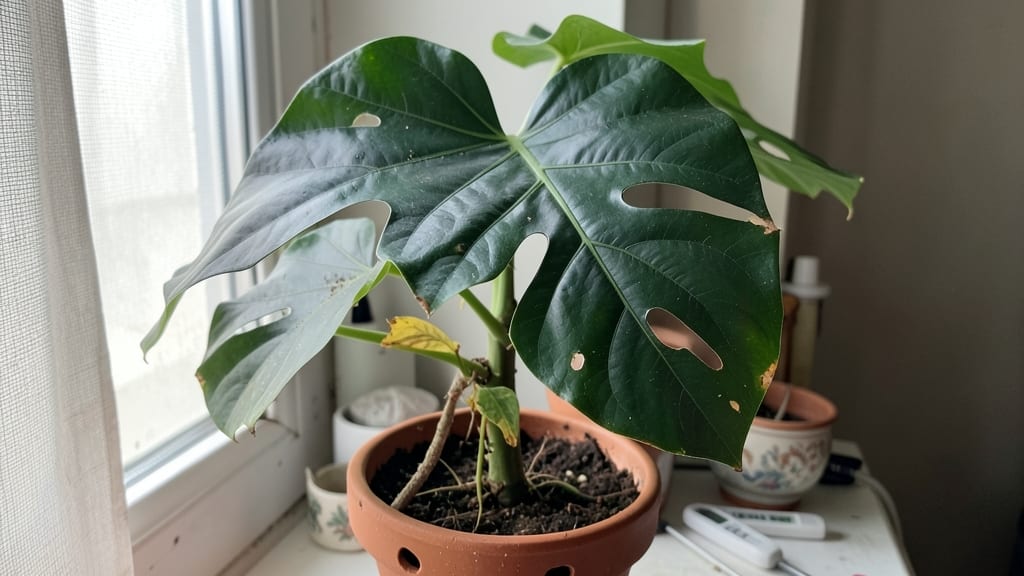
Let’s dive into each plant’s unique personality and how to keep them thriving. The Monstera deliciosa, or Swiss cheese plant, is a fan favorite for its striking split leaves and rapid growth.
It’s forgiving but rewards you with larger fenestrations (those iconic holes!) when given bright, indirect light and consistent humidity. My Monstera now sports leaves the size of my hand—proof that patience pays off!
For those who love drama, Calathea orbifolia delivers with its pink-tinged undersides and vibrant patterns. This plant is a diva, though—it hates drafts and will drop leaves if stressed. Place it near a humidifier or on a pebble tray to mimic its tropical roots.
I learned this the hard way when my first Calathea wilted after sitting too close to an AC vent!
The Philodendron 'Hope' is a dream for beginners—it’s nearly indestructible and thrives in low-light conditions, making it perfect for offices or north-facing rooms. Its heart-shaped leaves grow on trailing vines, creating a lush, cascading effect.
Mine has taken over a bookshelf, and I couldn’t be happier about the free greenery upgrade.
If you’re ready for a statement piece, the Fiddle Leaf Fig is a showstopper with its large, violin-shaped leaves. It’s a bit more high-maintenance, requiring consistent moisture and bright light to prevent leaf drop.
My fig now stands proudly in the corner of my living room, and I’ve learned to wipe its leaves weekly to keep them dust-free and vibrant.
Finally, the Bird of Paradise adds a touch of exotic elegance with its striking orange and blue blooms. While it’s slower to mature indoors, its bold foliage and eventual flowers make it worth the wait.
I’ve found that placing mine near a south-facing window encourages healthier growth, and it’s become a conversation starter in my home.
🌳
Pro tip: Grouping these plants together creates a microclimate with higher humidity, benefiting all of them. I’ve seen my Calathea and Philodendron thrive simply by placing them side by side on a humidity tray.
Just ensure they all get the right amount of light—some, like the Fiddle Leaf Fig, need more than others.
Ready to bring the trop
How to create the perfect humidity environment for tropical plants
Tropical plants crave the same lush, humid conditions they'd find in their native rainforests. In dry indoor environments, their leaves crisp, edges brown, and growth slows dramatically. The good news?
With a few simple strategies, you can recreate their ideal 60-80% humidity right in your home. Start by grouping plants together—their combined transpiration naturally increases moisture in the air.
For immediate relief, I recommend combining multiple methods. A simple pebble tray under pots paired with daily misting can boost humidity by 10-20% instantly. Place your tropical collection near kitchens or bathrooms where humidity naturally rises after showers or cooking.
Even a small cool-mist humidifier running for 4-6 hours daily can transform your space into a tropical paradise.
- 1. DIY Pebble Tray: Fill a shallow tray with pebbles or gravel, add water until pebbles are just covered, then place pots on top. Evaporation creates a microclimate of 30-50% humidity around your plants. Refresh water every 2-3 days to prevent algae.
- 2. Misting Schedule: Lightly mist leaves daily with room-temperature water using a spray bottle. Focus on undersides of leaves where stomata absorb moisture. Early morning misting prevents fungal issues. For large plants, use a nebulizer sprayer for even coverage.
- 3. Humidifier Placement: Position a cool-mist humidifier near your plants, not directly on them. Aim for 50-60% humidity during winter when indoor air is driest. For small spaces, a 5-gallon humidifier works perfectly. Clean the water tank weekly to prevent mold buildup.
- 4. Strategic Plant Grouping: Cluster 5-7 tropical plants together to create a self-sustaining humidity zone. Add a few fast-growing vines like Pothos or Philodendron—they release more moisture through transpiration. Place the group on a tray with damp sphagnum moss for extra humidity.
- 5. Indoor Water Features: A small tabletop fountain or bamboo water spout near your plants adds both humidity and soothing ambiance. Ensure the water feature is 3-4 feet away from plants to avoid over-saturation. Change water every 3-4 days to prevent stagnation.
Monitor your humidity levels with a hygrometer—these inexpensive tools help you track progress and adjust methods as needed. In winter, when indoor air dries out, I increase humidifier runtime to 8 hours daily and add a second pebble tray.
For Calathea or Ferns, which need 70-80% humidity, I combine all five methods above and place them in the bathroom during dry spells.
Remember, tropical plants also need indirect bright light and consistent moisture. Pair these humidity tips with proper watering—never let pots sit in standing water—and you'll see your plants thrive year-round. Watch for new leaf growth and vibrant colors as your jungle oasis takes shape.
🌿 For extra lushness, rotate your plants quarter-turn weekly so all sides get equal humidity exposure. This prevents one-sided browning and encourages balanced growth.