
Tools
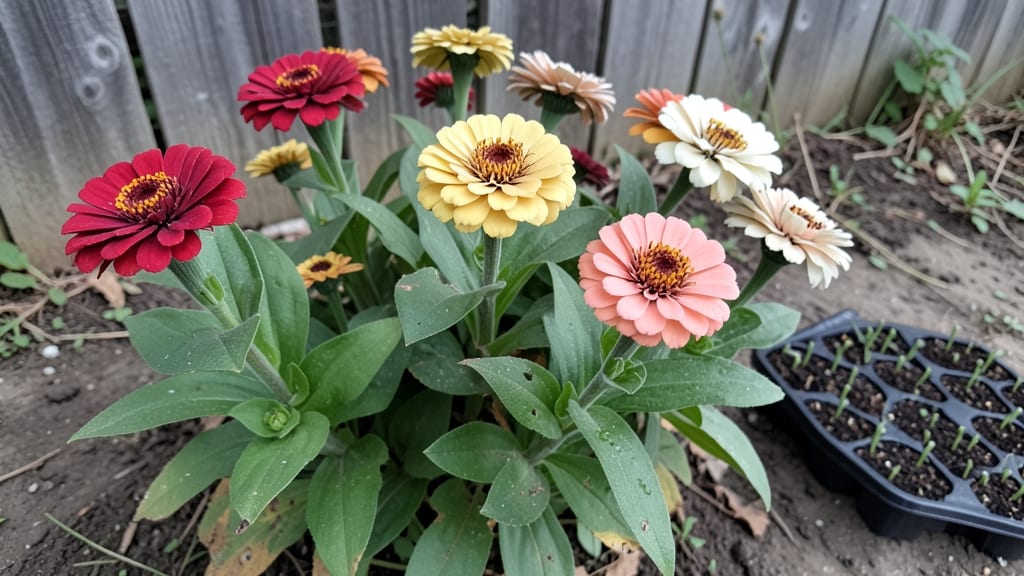
Creating a kids first garden is about more than just dirt and seeds—it's a space where little hands learn, explore, and taste the magic of growing their own food. 🌱 I remember the first time my daughter picked a sun-ripened tomato straight from the vine; her eyes lit up like she'd discovered treasure.
This isn't just gardening—it's a hands-on classroom where every leaf tells a story.
The beauty of a kid-friendly garden lies in its simplicity. You don't need fancy tools or sprawling plots—just a few safe, edible plants like cherry tomatoes, strawberries, or snap peas that grow fast and taste amazing.
Add a raised bed (kids love climbing in!) and some sensory elements like textured leaves or fragrant herbs. The key is making it interactive: let them plant seeds, water the soil, and watch their creations grow.
By summer's end, you'll have a thriving little garden where kids understand where food comes from—and maybe even develop a love for vegetables. The best part?
They'll be proud to share their harvest with the family, turning mealtime into a celebration of their hard work. Let's make growing something they'll remember forever.
Whether you have a backyard, balcony, or just a sunny windowsill, this garden adapts to your space. The lessons? Patience, responsibility, and the joy of nature—all hidden in every leaf and every bite. Ready to get started?
📚 In This Guide
- What you need
- Instructions
- Tips and common mistakes
- Wrapping up and next steps
What you need
- ● Garden Plot: Raised bed kit (4’x8’ or smaller for little hands) OR
- ● In-ground plot (at least 3’x3’ for easy access)
- ● Soil: High-quality potting mix or garden soil (avoid clay-heavy soil)
- ● Compost (2–3 gallons per square foot) for nutrients
- ● Seeds & Plants: Fast-growing, kid-friendly seeds: sunflowers, radishes, or cherry tomatoes (5–10 seeds per type)
- ● Young seedlings (e.g., herbs like basil or lettuce) for instant gratification
- ● Tools: Kid-sized trowel (lightweight, ergonomic handle)
- ● Small rake or hand fork (for turning soil)
- ● Watering can with a long spout (1–2 gallons capacity)
- ● Gloves (child-sized, durable fabric)
- ● Safety & Structure: Childproof fencing or borders (to contain the plot)
- ● Sun hat and sunscreen (for outdoor play)
- ● Decorative markers or paint (for labeling plants with kids’ names)
- ● Decorative rocks or stepping stones (to outline paths)
- ● Bug hotel or butterfly feeder (to attract pollinators)
- ● Kid-friendly watering timer (to teach consistency)
- ● Garden journal or sketchbook (for tracking growth)
Step-by-Step instructions for creating a kids first garden
Turn your backyard into a living classroom where little hands learn patience, science, and responsibility.
🌱 Step 1: Choose a Sunny, Kid-Friendly Spot
Pick a 4-foot by 4-foot patch with at least 6 hours of sunlight daily—most edibles need this for happy growth. I always let kids help mark the space with colorful spray paint or stakes. Avoid low spots where water pools, as soggy soil makes plants wilt faster than a melted popsicle.
Check the soil by digging a 2-inch hole—if it crumbles easily, you're good. If it forms a hard clump, mix in 2 gallons of compost to lighten it up. Kids love turning soil with a small shovel or even their hands (gloves help!).
🪴 Step 2: Build Raised Beds or In-Ground Rows
For beginners, raised beds (12 inches tall) are easiest—no bending for tiny gardeners! Use untreated wood or even stacked bricks to create a 3-foot by 3-foot frame. Line the bottom with cardboard (no tape!) to block weeds, then fill with 3 bags of potting mix mixed with 1 bag of compost. Kids can scoop and level the soil like they're making a giant cake.
If going in-ground, create 6-inch wide rows with a 12-inch spacing between them. This gives kids enough room to plant without crowding. Press down lightly with hands after filling—just enough to remove air pockets, not pack it like dirt at a construction site.
🌿 Step 3: Plant Fast-Growing, Kid-Approved Crops
Start with 4-6 easy plants: radishes (ready in 3 weeks!), lettuce, bush beans, and sunflowers (for instant height!). I let kids plant seeds directly—just press them ½ inch deep, cover with soil, and water gently. For bigger plants like tomatoes, use 4 small starter plants (they're tougher to grow from seed).
Label each plant with popsicle sticks and markers—kids love tracking growth. Space seeds 1 inch apart (use your finger as a guide!) and plants 6-12 inches apart, depending on the type. Water immediately after planting so seeds make contact with moist soil.
💧 Step 4: Set Up a Simple Watering System
Give kids a 1-gallon watering can with a rose attachment (the one that sprays like rain). Show them how to water at the base of plants, not the leaves—this prevents fungal diseases. A good rule: Water when the top inch of soil feels dry (let them poke their finger in to check!).
Set a weekly watering schedule—most edibles need ½ inch of water per week. Use a clear plastic bottle with holes poked in the cap as a DIY rain gauge. Kids can measure water by filling it to the 1-inch mark and seeing how many times it fits in their can.
⏰ Step 5: Add Fun Learning Stations
Turn gardening into science with a magnifying glass for inspecting leaves and a notebook to track growth. I set up a pest hotel (a small container with twigs and leaves) to teach kids about beneficial insects. Add a sun dial (a stick in the ground with hour markers) to learn about shadows and time.
Include a harvest journal where kids draw or write about each plant's progress. Take photos weekly to compare growth. The best lesson? Patience—kids will see radishes pop up in days, while sunflowers take weeks, teaching them that good things come to those who wait.
Tips & tricks for perfect kids first garden
A few simple tricks will help you create a thriving garden that grows confidence alongside veggies.
The Sunlight Secret: That 6 hours of sunlight is non-negotiable for most edibles, but here's what I learned: morning sun (before 10am) is gentler on tender seedlings. If your spot gets intense afternoon sun, consider adding shade cloth for the first week until plants establish roots. Kids love checking the sun dial to track how shadows change throughout the day—it's a great way to teach them about time and seasons!
Soil Prep Hack: When testing soil in Step 1, I've found that adding a handful of perlite to that 2 gallons of compost creates perfect drainage for little hands. The perlite helps prevent soggy soil that makes plants wilt. Let kids mix it in with a small trowel—they'll feel like they're making magic dirt!
Planting Made Easy: For those ½-inch deep seeds in Step 3, I use a ruler to measure depth—it's more accurate than guessing. Press seeds gently with your finger rather than pushing hard, which can bury them too deep. Kids can use their pinky finger as a guide for spacing seeds 1 inch apart. This method gives you consistent results without the frustration of overcrowding.
Watering Wisdom: The ½-inch weekly water rule works, but here's the trick: water in the morning so plants dry out during the day. This prevents fungal diseases that love damp leaves. Let kids use their 1-inch DIY rain gauge to measure water—it's a fun way to teach them about measurements while keeping plants happy.
Pro Tips for Kids First Garden
- A few simple tricks will help you create a thriving garden that grows confidence alongside veggies.
- The Sunlight Secret: That 6 hours of sunlight is non-negotiable for most edibles, but here's what I learned: morning sun (before 10am) is gentler on tender seedlings.
- Soil Prep Hack: When testing soil in Step 1, I've found that adding a handful of perlite to that 2 gallons of compost creates perfect drainage for little hands.
Frequently asked questions
Got questions about creating a Kids First Garden? You’re not alone! Here are some of the most common queries—and their answers—to help you get started with confidence.
What’s the best age to start a kids’ garden?
Most experts recommend introducing gardening to kids as young as 3–4 years old with simple activities like planting seeds in cups or digging in a sensory bin. By 5–7, they can handle small tools, water plants, and even harvest veggies! The key is matching tasks to their motor skills and attention spans. Pro tip: Start with fast-growing herbs or lettuce for quick rewards!
When is the ideal time to plant a Kids First Garden?
Timing depends on your climate, but spring (after the last frost) is the gold standard for most regions. For warmer areas, fall can also work—just avoid extreme heat. If you’re in doubt, opt for cold-hardy greens (like spinach) or herbs (basil, parsley) that tolerate cooler temps. Check your local planting zone for precision!
How much does a Kids First Garden cost to set up?
A budget-friendly garden can start under $50 with repurposed containers (yogurt cups, buckets) and free seeds from seed swaps or grocery store scraps. For a more structured setup, plan $100–$300 for raised beds, soil, tools, and kid-safe decor. DIY hacks (like painting rocks as plant markers) keep costs low while adding fun!
What if my child loses interest or the plants die?
Don’t stress—gardening with kids is a process, not perfection! Troubleshoot with them: wilting leaves? Check water (too much or too little?). Pests? Handpick bugs or spray soapy water. Keep it playful: Turn "failed" plants into a science experiment or compost them together. Pro tip: Grow resilient plants like sunflowers or cherry tomatoes for instant gratification!
What are easy, low-maintenance plants for beginners?
Start with these kid-approved winners:
- Herbs: Basil, mint, or chives (fast-growing, fragrant, and great for cooking).
- Veggies: Radishes (harvest in 3 weeks!), lettuce, or green beans.
- Flowers: Sunflowers (giant and fun to track growth) or marigolds (repel pests naturally).
- Fruits: Strawberries or dwarf cherry tomatoes (sweet rewards!).
Bonus: Let them eat the harvest—it’s the best motivation!
Wrapping up and next steps
Creating a Kids First Garden isn’t just about growing plants—it’s about nurturing curiosity, patience, and a love for nature in your little ones! 🌱 With the right tools, space, and a sprinkle of creativity, you’ve got everything you need to turn dirt into discoveries.
Whether you’re a seasoned gardener or a total beginner, this edible playground will give your kids roots (literally!) in learning, play, and healthy habits.
Ready to dig in? Start small—pick one or two easy plants, like sunflowers or cherry tomatoes, and let the magic unfold. Before you know it, your backyard (or balcony!) will be buzzing with excitement—and maybe even a few tiny chefs eager to harvest their own snacks! 🍅✨