
Tools
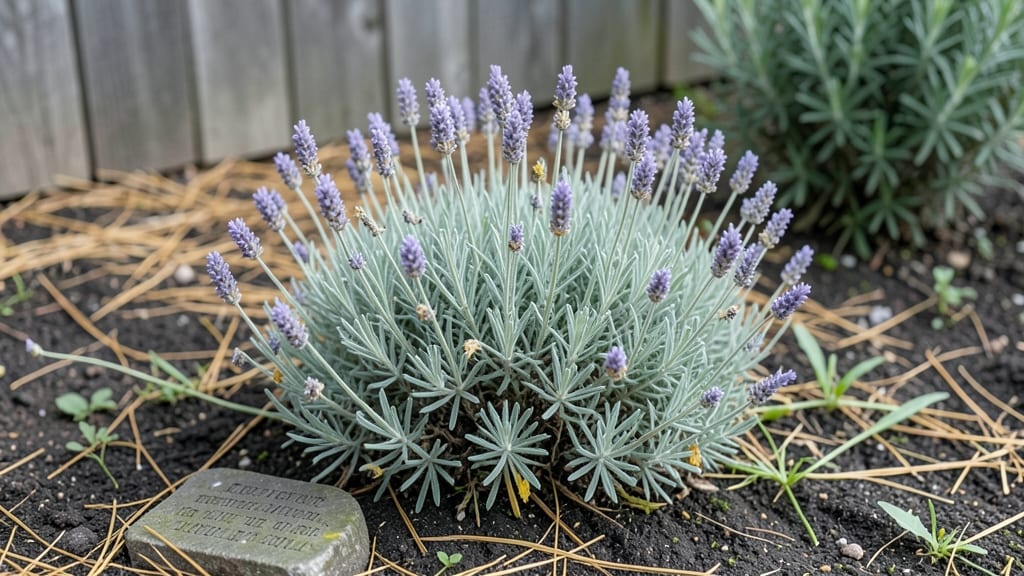
Creating a memorial pet garden lets you honor your beloved companion with living beauty and quiet reflection. 🌿 The right plants—fragrant lavender, sun-loving coneflowers, or shade-tolerant hostas—can turn a simple patch of earth into a sanctuary where every visit feels like a conversation with your pet.
Start with a layout that matches your pet’s personality: a winding path for active dogs, a cozy bench spot for cats, or a small fountain where birds gather.
Add personal touches like engraved stones with their name, a favorite toy buried in the soil, or a wind chime that sounds like their collar tags. The goal isn’t perfection—it’s a space that feels theirs.
You’ll end up with a garden that grows more meaningful over time, as plants mature and seasons change. The scent of blooms, the rustle of leaves, even the way sunlight filters through foliage—these become part of your memories.
It’s a place to sit, remember, and even laugh when you spot a squirrel acting out their favorite tricks.
Works for any yard size, from a balcony pot with pet-safe herbs to a full backyard retreat. The key is making it yours—just like your pet was. Here’s how to begin with heart and practicality in mind.
📚 In This Guide
- What you need
- Instructions
- Tips and common mistakes
- Wrapping up and next steps
What you need
- ● Soil & Mulch: 1–2 cubic yards of high-quality garden soil (check for organic matter)
- ● 1–2 bags of mulch (cedar or pine for natural decomposition)
- ● Plants: 3–5 pet-friendly perennials (e.g., lavender, sunflowers, or marigolds)
- ● 1–2 small trees or shrubs (e.g., dogwood or weeping willow for shade)
- ○ Optional: pet-safe flowers (e.g., roses, pansies, or petunias)
- ● Decor & Personal Touches: 1–2 pet memorial plaques or engraved stones (weatherproof material)
- ○ Optional: wind chimes, solar lights, or a small bench
- ● 1–2 pet portraits or paw-print decorations (UV-resistant)
- ● Hand trowel or garden spade
- ● Pruners or shears (for shaping plants)
- ● Garden hose or watering can (with a gentle spray nozzle)
- ● Measuring tape and stakes (for planting layout)
- ● Gloves and knee pads (for comfort)
- ○ Optional: Wheelbarrow (for hauling soil/mulch)
- ● ✅ Sunlight assessment: Check your garden’s light exposure (full sun, partial shade, or full shade).
- ● ✅ Space planning: Sketch a rough layout (include paths, seating, or a focal point).
- ● ✅ Pet safety check: Verify all plants are non-toxic to pets (avoid lilies, azaleas, or sago palms).
- ● ✅ Permits (if applicable): Some areas require approval for permanent structures or modifications.
Step-by-Step instructions for designing a memorial pet garden
Here's how to create a peaceful tribute that honors your pet's memory with thoughtful plants and personal touches.
🌱 Step 1: Choose a Meaningful Location
Select a spot that feels special—perhaps where your pet loved to play or rest. Aim for 4-6 hours of sunlight daily if possible, as most memorial plants thrive with moderate light. Avoid low-lying areas where water pools after rain, as soggy soil can harm roots and invite weeds.
I always measure the space first with a 5-foot tape measure to visualize the layout. If the area is small, focus on vertical elements like trellises or a small bench. For larger spaces, consider adding a winding path with stepping stones to create a serene walkway.
🪴 Step 2: Select Plants That Hold Meaning
Pick plants that reflect your pet's personality or favorite colors. For example, lavender symbolizes devotion, roses represent love, and sunflowers bring joy. Include at least 3-5 different types of plants to create visual interest while keeping maintenance manageable.
I like to include a mix of perennials for long-lasting beauty and annuals for seasonal color. For example, plant purple coneflowers for resilience and white daisies for purity. Add a small evergreen shrub like boxwood for structure and year-round greenery.
☀️ Step 3: Prepare the Soil and Plant with Care
Loosen the soil to a depth of 12 inches with a garden fork to help roots establish easily. Mix in 2-3 inches of compost to improve drainage and provide nutrients. If your soil is heavy clay, add 1 part perlite to 3 parts soil to lighten it.
Dig holes slightly larger than the root balls of your plants and place them at the same depth they were in their containers. Gently firm the soil around the roots and water deeply to settle everything. I always add a small mulch ring around each plant to retain moisture and suppress weeds.
✂️ Step 4: Add Personalized Memorial Touches
Incorporate elements that honor your pet's memory, like a custom stone engraved with their name or a small wooden plaque. Place a favorite toy or collar as a decorative accent, or add a small solar-powered garden light to illuminate the space at night.
For a more interactive touch, include a small bird feeder or butterfly garden to attract wildlife your pet enjoyed watching. I like to add a bench or chair where family members can sit and remember their beloved companion.
💧 Step 5: Maintain the Garden with Thoughtful Care
Water deeply 2-3 times per week during the first month to help plants establish strong roots. After that, water only when the top 1-2 inches of soil feel dry. Use a drip irrigation system or soaker hose to deliver water slowly and evenly, reducing waste.
Prune plants regularly to encourage healthy growth and remove spent blooms to keep the garden looking tidy. I like to visit the garden weekly to check for weeds and adjust mulch as needed. This ensures the space remains a peaceful retreat for reflection and healing.
Tips & tricks for creating a meaningful memorial pet garden
Creating a lasting tribute to your pet starts with thoughtful planning—here's how to make every detail count.
Location Matters: The 4-6 hours of sunlight mentioned in Step 1 is ideal, but don't overlook shade options if your pet loved cooler spots. Observe the area throughout different times of day—morning sun can be gentle while afternoon light might be too intense for delicate plants like lavender. I always test the spot for at least one full day before planting to understand how light shifts throughout the day.
Plant Selection Strategy: When choosing your 3-5 plants, consider the blooming seasons. Purple coneflowers bloom mid-summer while white daisies often flower in late summer to fall—this ensures continuous color. For year-round interest, add boxwood (mentioned in Step 2) which stays green even in winter. I like to sketch a simple layout first to visualize how each plant will contribute to the garden's appearance throughout the seasons.
Soil Preparation Secret: The 12-inch soil loosening in Step 3 is crucial, but don't stop there—test your soil's pH before planting. Most memorial plants prefer slightly acidic to neutral soil (pH 6.0-7.0). If your soil is too alkaline, add peat moss to the compost mix. I always do a simple home test kit first—it's a small investment that prevents future plant struggles.
Memorial Touches That Last: For the personalized elements in Step 4, consider weather-resistant materials. Solar-powered garden lights (mentioned in Step 4) should be rated for outdoor use—look for IP65 rating or higher. For engraved stones, choose granite or slate which withstands weather changes better than softer materials. I recommend placing these elements where they'll be visible from your home's windows or frequently visited paths.
Pro Tips for Memorial Pet Garden
- Creating a lasting tribute to your pet starts with thoughtful planning—here's how to make every detail count.
- Location Matters: The 4-6 hours of sunlight mentioned in Step 1 is ideal, but don't overlook shade options if your pet loved cooler spots.
- Plant Selection Strategy: When choosing your 3-5 plants, consider the blooming seasons.
Frequently asked questions
Got questions about creating a memorial pet garden? Here are some of the most common ones—and their answers—to help you get started on this meaningful project.
What’s the best time of year to plant a memorial pet garden?
The ideal time depends on your climate, but spring or early fall are usually best. These seasons offer mild temperatures, reducing stress on plants while giving them time to establish roots before harsh weather. If you’re in a warm climate, late winter can also work—just ensure you water consistently during dry spells.
How do I choose plants that honor my pet’s personality?
Think about your pet’s favorite colors, textures, or even their quirks! For example:
- Energetic pets: Fast-growing plants like sunflowers or bamboo symbolize vitality.
- Calm companions: Lavender or roses evoke serenity and beauty.
- Food-loving pets: Herb gardens (basil, mint) can be a playful nod to their tastes.
Can I create a memorial pet garden in a small space, like a balcony or windowsill?
Even a single pot or hanging planter can become a touching tribute. Opt for dwarf varieties (like miniature roses or succulents) or vertical gardens if space is ultra-limited. A small urn with a single plant and a photo of your pet can also work beautifully.
What if I’m not a gardener? Are there low-maintenance options?
No green thumb required! Choose drought-tolerant plants (e.g., sedum, oregano, or ornamental grasses) that thrive with minimal water. Self-watering planters or drought-resistant mulch can simplify care. Consider perennials too—they’ll return year after year, reducing upkeep.
What do I do if my plants start dying or look unhealthy?
Don’t worry—even experienced gardeners face this! First, check for overwatering or underwatering (most plants prefer slightly dry soil). Ensure the garden gets the right amount of sunlight (check plant tags for clues). If pests appear, use organic solutions like neem oil or companion planting (e.g., marigolds repel bugs). If all else fails, replace the plant—it’s part of the healing process!
Wrapping up and next steps
A memorial pet garden is more than just a space—it’s a heartfelt tribute that honors your beloved pet while bringing peace and beauty to your life. By thoughtfully selecting plants, adding personal touches, and creating a serene environment, you’re crafting a lasting legacy filled with love and memories. 🌿
Ready to turn your vision into reality? Start by sketching a simple design, gathering your materials, and taking it one step at a time. Whether you’re planting a single tree or a full garden, your effort will be a meaningful gift—both for your pet and for your own healing journey.