
Tools
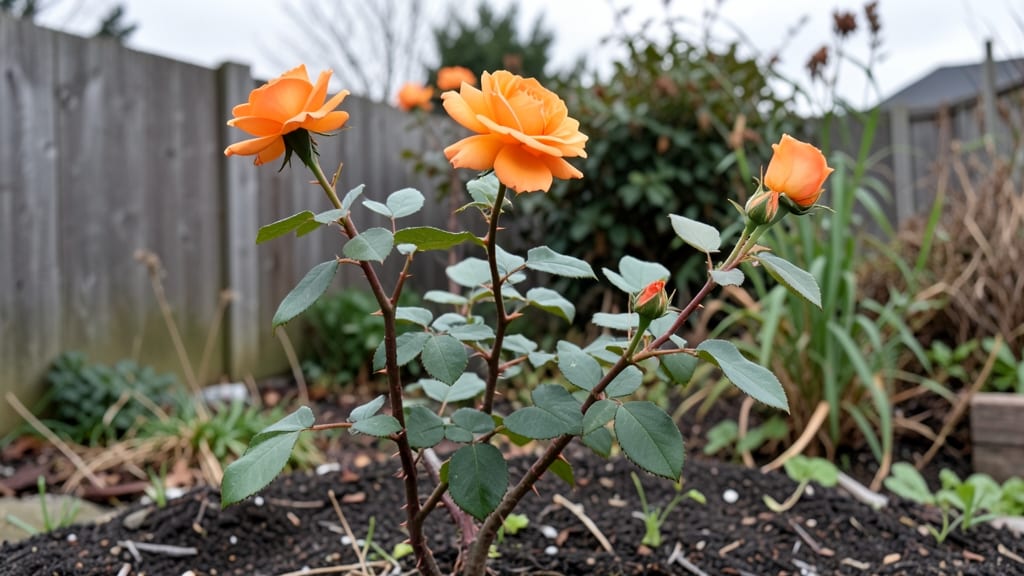
Growing orange garden roses that spread effortlessly into fragrant clusters is one of the most rewarding garden projects you’ll ever tackle. 🌻 The first time I saw my 'Orange Garden' roses multiply across a sunny border, I knew I’d found a rose that grows as beautifully as it blooms—with that warm, citrusy fragrance lingering in the evening air.
These roses thrive on neglect once established, but they do demand full sun and well-draining soil mixed with compost. Plant them in early spring or fall, spacing them about 3 feet apart—they’ll spread over time, creating natural drifts of velvety orange blooms.
Water deeply once a week, and you’ll see those first buds appear within 8-10 weeks of planting.
The real magic happens when you let them multiply. Each stem sends out basal shoots that can be dug up and replanted, giving you free roses for years.
Prune lightly in late winter to shape the plant and remove dead wood, but avoid heavy cuts—these roses reward patience with continuous blooms from summer through fall.
Perfect for cottage gardens, borders, or even containers on patios. They’re tougher than they look, resisting black spot better than many hybrid roses, and their fragrance attracts pollinators all season. Here’s how to keep them thriving—and spreading—without the fuss.
📚 In This Guide
- What you need
- Instructions
- Tips and common mistakes
- Wrapping up and next steps
What you need
- ● Orange Garden Rose Plants: 3–5 bare-root or potted plants (choose disease-resistant varieties like 'Orange Garden' or 'Orange Sensation').
- ● Well-Draining Soil: 1–2 cubic yards of a mix of garden soil, compost, and perlite (ratio: 60% soil, 30% compost, 10% perlite).
- ● Fertilizer: Balanced granular fertilizer (10-10-10) – 1 lb per plant.
- ○ Slow-release rose-specific fertilizer (optional but recommended for long-term growth).
- ● Mulch: 2–3 inches of organic mulch (e.g., shredded bark or straw) to retain moisture and suppress weeds.
- ● Watering Can or Hose: With a gentle spray nozzle for hydration.
- ● Garden Gloves: Heavy-duty, waterproof gloves to protect hands.
- ● Trowel or Spade: For digging planting holes (6–8 inches deep).
- ● Pruners: Sharp, sterilized bypass pruners for trimming.
- ● Measuring Tape or Ruler: To ensure proper spacing (18–24 inches between plants).
- ○ Stakes or Trellis (Optional): For support if roses grow tall (4–6 ft stakes).
- ● A sunny location with at least 6–8 hours of direct sunlight daily.
- ● Access to a water source (garden hose or drip irrigation system).
- ● Patience! Roses thrive with consistent care over time.
How to plant and maintain vibrant orange garden roses
Here’s how to establish these fragrant, self-spreading perennials with minimal fuss.
🌱 Step 1: Select and Prepare the Planting Site
Orange garden roses thrive in full sun—choose a location with at least 6-8 hours of direct sunlight daily. The soil should drain well but retain moisture; amending heavy clay with 3-4 inches of compost improves aeration. I always test drainage by digging a 12-inch hole and filling it with water—if it drains in under an hour, the site is ideal.
Roses hate soggy roots, so avoid low spots where water pools. If your soil is sandy, mix in 2-3 inches of organic matter like leaf mold to boost fertility. The goal is loose, crumbly soil that crumbles easily when squeezed—this ensures roots can spread without suffocating.
🪴 Step 2: Plant Bare-Root Roses at the Right Time
Plant in early spring or fall, when temperatures hover between 40-60°F. Soak the bare roots in lukewarm water for 1-2 hours before planting to revive them. Dig a hole twice as wide as the root ball but only as deep—the graft union (visible bump on the stem) should sit 2 inches above soil level to prevent rot.
Spread the roots outward in the hole, ensuring they’re not curled or touching. Backfill with native soil mixed with 1 cup of bone meal for phosphorus (critical for blooms). Water deeply to settle the soil, then mound 2 inches of mulch around the base, keeping it 4 inches away from the stem to prevent moisture buildup.
☀️ Step 3: Water and Fertilize for Strong Growth
Water deeply 2-3 times per week during the first growing season, aiming for 1-1.5 gallons per plant. You’ll know it’s enough when water reaches 12 inches deep—stick a screwdriver into the soil to check. Overhead watering encourages disease, so use a soaker hose or drip irrigation at the base.
Fertilize 3 times per year: in early spring with a balanced 10-10-10, at bud break with rose-specific fertilizer (high in phosphorus), and in mid-summer with a low-nitrogen blend to promote blooms over foliage. Avoid high-nitrogen feeds—it’ll give you leaves, not flowers.
✂️ Step 4: Prune for Health and Abundant Blooms
Prune late winter or early spring before new growth starts. Remove dead, crossing, or inward-growing canes first, then cut back remaining stems to 18-24 inches tall, leaving 3-5 healthy buds per stem. Make cuts at a 45-degree angle just above an outward-facing bud—this directs energy upward and outward.
Deadhead spent blooms weekly by snipping stems just above a 5-leaf cluster. This encourages continuous flowering and prevents seed formation, which drains the plant’s energy. I also thin crowded canes in late summer to improve airflow—orange roses are prone to black spot, so circulation is key.
🌿 Step 5: Encourage Natural Multiplication
Orange garden roses spread via suckers (shoots from the base) and layering. In early spring, gently dig up suckers with 3-4 inches of root and replant them 12-18 inches away from the mother plant. Water them in and mulch lightly to retain moisture.
For layering, select a low-growing cane, scrape a 2-inch section of bark, and pin it down with a U-shaped wire. Cover the wounded area with soil and secure it. Once roots form (6-8 weeks later), sever the connection and transplant. This method preserves the parent plant’s vigor while creating identical clones.
Tips & tricks for perfect orange garden rose planting
These essential strategies will help you cultivate thriving, fragrant orange garden roses that spread naturally and bloom abundantly.
Soil Preparation Secret: The 6-8 hours of sunlight requirement is non-negotiable for vibrant orange roses, but soil quality makes the difference between struggling plants and showstopping blooms. After amending with 3-4 inches of compost, I recommend adding 1 cup of Epsom salt to the planting hole—this magnesium boost prevents yellowing leaves and enhances flower production. The soil should crumble like cake when squeezed; if it sticks together, mix in more organic matter.
Planting Timing: Those 40-60°F temperatures in early spring or fall create ideal conditions for root establishment. I've found that planting in late afternoon when temperatures begin to drop helps reduce transplant shock. The 1-2 hour soaking period for bare roots is crucial—it revives dormant roots and prevents wilting after planting. Pro tip: Trim any damaged roots during this soaking process to encourage new growth.
Fertilizer Strategy: The three-application schedule works wonders, but timing is everything. Apply your spring 10-10-10 fertilizer when you see 1-inch green shoots emerging, not just when you plant. At bud break, switch to rose-specific fertilizer with high phosphorus—look for a 5-10-10 ratio or higher. The mid-summer low-nitrogen feed should be applied when you notice new growth slowing down, signaling the plant needs energy for blooms rather than foliage.
Pruning Precision: When cutting back to 18-24 inches in late winter, aim for an open vase shape. The 3-5 buds you leave should be evenly spaced around the stem—this creates balanced growth. I always sterilize my pruners with rubbing alcohol between cuts to prevent disease spread. For deadheading, make your cuts just above the 5-leaf cluster at a slight angle to prevent water pooling on the stem, which can lead to rot.
Pro Tips for Orange Garden Rose
- These essential strategies will help you cultivate thriving, fragrant orange garden roses that spread naturally and bloom abundantly.
- Soil Preparation Secret: The 6-8 hours of sunlight requirement is non-negotiable for vibrant orange roses, but soil quality makes the difference between struggling plants and showstopping blooms.
- Planting Timing: Those 40-60°F temperatures in early spring or fall create ideal conditions for root establishment.
Frequently asked questions
When is the best time to plant orange garden roses?
The ideal time to plant orange garden roses is in early spring (after the last frost) or early fall (6-8 weeks before the first frost). This gives roots time to establish before extreme temperatures. If planting in summer, water deeply and mulch to retain moisture—these roses thrive with consistent hydration!
How long does it take for orange garden roses to bloom?
With proper care, you can expect the first blooms in 6-12 months after planting. Patience pays off! Young roses focus on root growth, so avoid heavy pruning or fertilizing until they’ve settled in. Once established, they’ll reward you with continuous clusters of vibrant orange blooms from early summer through fall.
Do orange garden roses spread aggressively? How do I control them?
Yes, these roses multiply naturally via underground runners, making them a great low-maintenance option—but they can spread! To control growth, prune back suckers (new shoots) in early spring or divide clumps every 3-4 years. Planting them in contained beds with edging also helps manage their spread.
What pests or diseases should I watch for with orange garden roses?
Common issues include aphids, spider mites, and black spot fungus. To prevent problems:
- Spray roses with neem oil for pests.
- Avoid overhead watering to reduce fungal risks.
- Prune for good airflow and remove diseased leaves immediately.
Can I grow orange garden roses in containers? What’s the best setup?
These roses adapt well to containers if given 5-gallon pots or larger with drainage holes. Use a well-draining potting mix (like 60% soil, 30% compost, 10% perlite) and fertilize monthly during growing season. Place in full sun (6+ hours/day) and water when the top inch of soil is dry.
Pro Tip: Orange garden roses love regular deadheading (removing spent blooms) to encourage more flowers. Plus, their natural fragrance peaks in the morning—perfect for cutting and bringing indoors!
Wrapping up and next steps
The orange garden rose isn’t just a burst of color—it’s a low-maintenance, fragrant powerhouse that rewards patience with stunning blooms and effortless propagation. Whether you’re drawn to its vibrant hue or its ability to multiply naturally, this perennial gem is perfect for adding charm to any garden. 🌸
Ready to dive in? Start by selecting a sunny spot, gathering your supplies, and let these roses work their magic. Watch as your garden transforms into a fragrant, blooming paradise—one cluster at a time!