
Landscaping
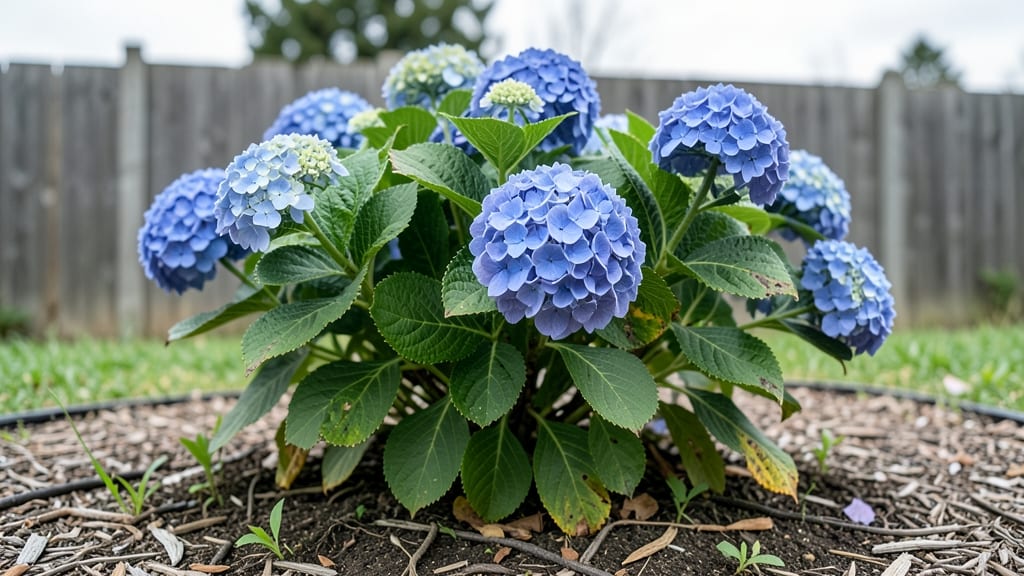
This outdoor garden idea—stacking plants vertically—turned my 4x6-foot balcony into a lush mini-ecosystem where more blooms and herbs thrive than ever before. shockingly lush—even in partial shade. The key is choosing the right plants for each vertical layer, from trailing flowers at the top to compact herbs at the bottom.
This approach works for any small space—balconies, patios, or even urban courtyards—because it maximizes every square inch without sacrificing beauty. You’ll need just three supplies: lightweight containers, a sturdy mounting system (like wall brackets or a freestanding trellis), and soil that drains well.
The best part? You can start small with a single shelf or go all out with a multi-tiered planter.
By summer’s end, you’ll have a garden that’s not just functional but downright stunning—think cascading petunias, fragrant basil, and rosemary that smells like a Tuscan hillside. The vertical design also makes maintenance easier: watering from above means less waste, and harvesting herbs is a breeze.
Plus, the layered look creates depth that flat gardens simply can’t match.
Whether you’re working with a sunny windowsill or a shady corner, this method adapts to your conditions. Cottage gardens can go whimsical with ivy and climbing roses, while modern spaces thrive with sleek metal planters and geometric shapes. Here’s how to build yours—step by step.
Root Causes of Garden Struggles
Understanding why your outdoor garden fails to thrive—especially in tight spaces—is the first step to creating lush, vertical blooms and herbs. Even the most creative outdoor garden ideas can hit roadblocks if the underlying issues aren’t addressed. Let’s break down the science and practical reasons behind common challenges.
Healthy plants start with the right foundation—soil. If your soil lacks essential nutrients, drains poorly, or is too compacted, roots struggle to access water and oxygen. This is especially critical in small spaces where soil quality can degrade faster due to limited depth and frequent disturbance.
- Compacted Soil: Heavy foot traffic, machinery, or even watering habits can squeeze soil particles together, reducing porosity.
Roots suffocate, and water pools instead of draining, leading to rot or drought stress. - Nutrient Deficiency: Over time, soil loses organic matter and vital micronutrients like nitrogen, phosphorus, and potassium.
Without replenishment, plants exhibit stunted growth, yellowing leaves, or weak stems. - pH Imbalance: Most plants thrive in slightly acidic to neutral soil (pH 6.0–7.0).
If your soil is too alkaline (common in clay-heavy areas) or acidic (from pine needles or peat), nutrient uptake fails, causing deficiencies like chlorosis (yellowing leaves).
Actionable Fix: Amend your soil with compost, perlite, or coconut coir to improve aeration and drainage. Test your soil’s pH and adjust with lime (to raise pH) or sulfur (to lower it). For vertical gardens, use high-quality potting mixes designed for containers.
Sunlight is the energy source for photosynthesis, but too much or too little disrupts growth. In small outdoor spaces, nearby structures (like walls or fences) can cast unpredictable shadows, while direct sun may scorch delicate herbs or flowers.
- Insufficient Light: Most herbs (e.g., basil, thyme) and flowering plants need 6–8 hours of sunlight daily. Shady corners lead to leggy stems, pale leaves, and weak blooms. - Over-Exposure: Intense afternoon sun (especially in hot climates) can cause sunburn on leaves, crisping edges, or wilting.
Succulents and tropical plants are particularly vulnerable. - Reflective Heat: Dark surfaces (like asphalt or black pots) absorb heat and radiate it onto plants, increasing stress. This is common in urban vertical gardens.
Actionable Fix: Observe your space’s sunlight patterns for a week. Group plants by their light needs (full sun, partial shade, or shade-tolerant). Use reflective mulch or light-colored containers to reduce heat absorption. For vertical gardens, rotate pots periodically to ensure even exposure.
Water is life, but inconsistent moisture levels—whether from drought or overwatering—can kill plants faster than pests. Small spaces exacerbate this because containers dry out quickly, and roots have less reserve to handle fluctuations.
- Underwatering: Soil dries out too fast in containers, leading to wilting, crispy leaves, and root desiccation. Plants like lavender and rosemary are drought-tolerant but still need regular checks. - Overwatering: Poor drainage in pots or soil compaction causes root rot (a fungal infection from prolonged sogginess).
Yellow leaves, mushy stems, and a foul odor are red flags. - Inconsistent Watering: Plants in small gardens often get hit-or-miss watering. Uneven moisture stresses roots, making them vulnerable to disease or nutrient leaching.
Actionable Fix: Use self-watering containers or wicking systems for herbs. Water deeply but less frequently—aim for 1 inch of water per week (adjust for climate). Add a moisture meter to avoid guesswork. For vertical gardens, group plants with similar water needs and use drip irrigation for precision.
Tight spaces create microclimates where pests and pathogens thrive. Limited airflow, dense plantings, and shared resources (like water or nutrients) make small gardens prime targets for aphids, powdery mildew, or spider mites.
- Lack of Air Circulation: Crowded plants trap humidity, creating ideal conditions for fungal diseases like powdery mildew (white fuzzy coatings) or rust (orange pustules).
Herbs like mint or oregano spread aggressively and can choke out neighbors. - Pest Hotspots: Aphids, whiteflies, and slugs love the shelter of vertical gardens or shaded nooks.
They feed on sap, weaken plants, and spread viruses. - Weakened Immunity: Stressed plants (from poor soil, light, or water) are easier targets. For example, overwatered basil attracts fungus gnats, while drought-stressed lavender invites spider mites.
Actionable Fix: Space plants to allow 2–3 inches of airflow between leaves. Use neem oil or insecticidal soap as preventive sprays. Introduce beneficial insects like ladybugs or lacewings. For vertical gardens, choose disease-resistant varieties (e.g., ‘Genovese’ basil over standard types).
Small outdoor spaces can experience extreme temperature swings, especially near walls, patios, or under eaves. Cold drafts, heat reflection, or frost pockets stress plants adapted to stable conditions.
- Frost Damage: Low-lying or shaded areas retain cold air longer, risking frost burn on tender herbs (e.g., cilantro, dill) or flowers like pansies.
- Heat Stress: South-facing walls or dark surfaces radiate heat, causing heat shock—wilting, leaf scorch, or premature flowering.
- Wind Burn: Open vertical gardens exposed to wind lose moisture rapidly, leading to desiccated edges on leaves.
Actionable Fix: Use frost cloth in early spring or late fall for sensitive plants. Position heat-loving herbs (like rosemary or oregano) on west-facing walls for afternoon sun without scorching. Add windbreaks (like trellises or lattice) to protect delicate foliage.
Even the most well-intentioned outdoor garden ideas can fail if the layout, materials, or plant selection don’t align with the space’s constraints.
- Poor Drainage Systems: Without proper drainage holes in pots or a sloped base for vertical planters, water pools at the roots, leading to rot. - Incompatible Plant Pairings: Mixing water-loving plants (like mint) with drought-tolerant ones (like thyme) creates competition and inconsistency. - Material Degradation: Cheap or non-breathable fabrics (in fabric planters) trap moisture, while metal containers can overheat.
Plastic pots may crack under freeze-thaw cycles.
Actionable Fix: Choose modular, stackable planters with drainage. Group plants by water, light, and care needs. Opt for cedar, resin, or fabric with UV protection for durability. Elevate containers to improve airflow and drainage.
Quick Fixes for Common Garden Woes
Vertical gardens are a dream for small spaces, but even the best-laid plans can hit snags. Don’t let pests, poor drainage, or wilting plants ruin your green oasis—here’s how to troubleshoot and turn things around with practical, easy-to-follow solutions.
Cause: Aphids, spider mites, or slugs love tender herbs and blooms, especially in dense vertical setups. Fix It:
- 🔥 Spray with Soap Solution – Mix 1 tablespoon of mild dish soap with 1 quart of water. Spray affected leaves (avoid flowers) every 3–4 days until pests vanish.
- 🍳 Introduce Beneficial Bugs – Ladybugs and lacewings feast on aphids. Buy them online or attract them with nectar-rich flowers like marigolds.
- 🌙 Shake Off Slugs – At dusk, gently shake plants over a bucket of soapy water. Add copper tape to edges to deter future crawlers.
Prevent It:
- 💡 Space Plants Strategically – Leave 2–3 inches between layers for airflow, making it harder for pests to hide.
- 🌡️ Mulch with Diatomaceous Earth – Sprinkle food-grade DE around the base (reapply after rain) to deter slugs and ants.
Cause: Overwatering or poor-quality grow bags/systems cause root rot or mold. Fix It:
- 👨🍳 Upgrade Your Containers – Swap heavy clay pots for fabric grow bags (breathable!) or self-watering planters with drainage holes.
- 🥘 Fluff the Soil – Mix in perlite or coconut coir (20% of the soil volume) to improve aeration. For hydroponic setups, check pH weekly (ideal: 5.5–6.5 for herbs, 6.0–7.0 for flowers).
- ⏰ Adjust Watering Schedule – Stick your finger 1 inch into the soil; water only if it’s dry. Vertical gardens dry faster—check twice daily in hot climates.
Prevent It:
- ✨ Test Your Setup – Fill containers with water, then drain completely. If water pools after 10 minutes, add more drainage holes.
- 🎯 Elevate Planters – Use a drip tray with pebbles to catch excess water and prevent soggy roots.
Cause: Over/under-watering, nutrient deficiency, or too much sun/shade. Fix It:
- 🔥 Check the Roots – Gently remove a plant from its pocket. Healthy roots are white/firm; rotted roots are mushy/brown. Trim bad roots with sterilized scissors.
- 🍳 Fertilize Right – Use a balanced liquid fertilizer (10-10-10) every 4–6 weeks. For herbs, switch to fish emulsion for nitrogen boosts.
- 🌿 Adjust Light Exposure – Move sun-lovers (like rosemary or lavender) to 6+ hours of direct sun; shade-tolerant plants (mint, ferns) to dappled light.
Prevent It:
- 💡 Group by Needs – Cluster plants with similar light/water needs in the same vertical layer (e.g., herbs on the sunniest side, ferns in partial shade).
- 🌡️ Monitor Humidity – Mist foliage daily in dry climates or place a pebble tray with water nearby for moisture-loving plants.
Pro Tip: 🌟 Keep a garden journal! Note what you plant, when you water, and any issues. Patterns emerge fast—like realizing your basil wilts every time you overwater the tomatoes above it.
Cause: Weak mounts, heavy soil, or wind stressing your vertical setup. Fix It: - 🔥 Reinforce Mounts – Use L-brackets or heavy-duty hooks (not flimsy screws) for wall-mounted gardens.
For freestanding towers, add cross-bracing with PVC pipes. - 🍳 Lighten the Load – Swap peaty soil for airy potting mix (50% compost, 30% perlite, 20% vermiculite).
Prune leggy plants to reduce weight. - 🌿 Secure Loose Plants – Tie stems to the trellis with soft plant ties or old tights to prevent snapping in wind.
Prevent It:
- 🎯 Distribute Weight Evenly – Place heavier plants (like succulents) lower down and lighter ones (like herbs) near the top.
- ✨ Anchor Freestanding Towers – Bury the base 6+ inches deep or use sandbags at the bottom for stability.
Remember: Vertical gardens are forgiving—most issues are fixable with a little detective work. Start small, observe your plants’ behavior, and adjust as you go. Happy growing! 🌿💚
Frequently asked questions
What are the best plants for a small-space vertical garden?
Start with trailing flowers like petunias or nasturtiums at the top, compact herbs such as thyme or oregano in the middle, and root crops like lettuce or radishes at the bottom. These thrive in layered setups and require minimal horizontal space. For shade-tolerant options, consider ferns or ivy.
How do I choose the right containers for a vertical garden?
Opt for lightweight, modular planters with drainage holes to prevent root rot. Fabric grow bags or stackable plastic pockets work well for herbs, while wooden crates or metal wall planters add aesthetic appeal. Ensure containers are sturdy enough to hold soil and plants without sagging.
Can I create a vertical garden in a shady area?
Choose shade-tolerant plants like hostas, impatiens, or ferns, and use reflective surfaces (like white paint on walls) to maximize light. Avoid heavy soil mixes—opt for well-draining potting soil with added perlite. A south-facing wall with indirect light can also work for many herbs.
What’s the easiest way to water a vertical garden?
Use a drip irrigation system or a watering can with a long spout to reach all layers evenly. For smaller setups, a self-watering planter with a reservoir at the bottom simplifies maintenance. Water in the morning to reduce evaporation and fungal risks.
How do I keep pests out of my vertical garden?
Space plants 2–3 inches apart for airflow, and use neem oil or insecticidal soap as a preventive spray. Introduce beneficial insects like ladybugs, and avoid overwatering, which attracts slugs. Copper tape around edges deters crawling pests.