
Light Requirements
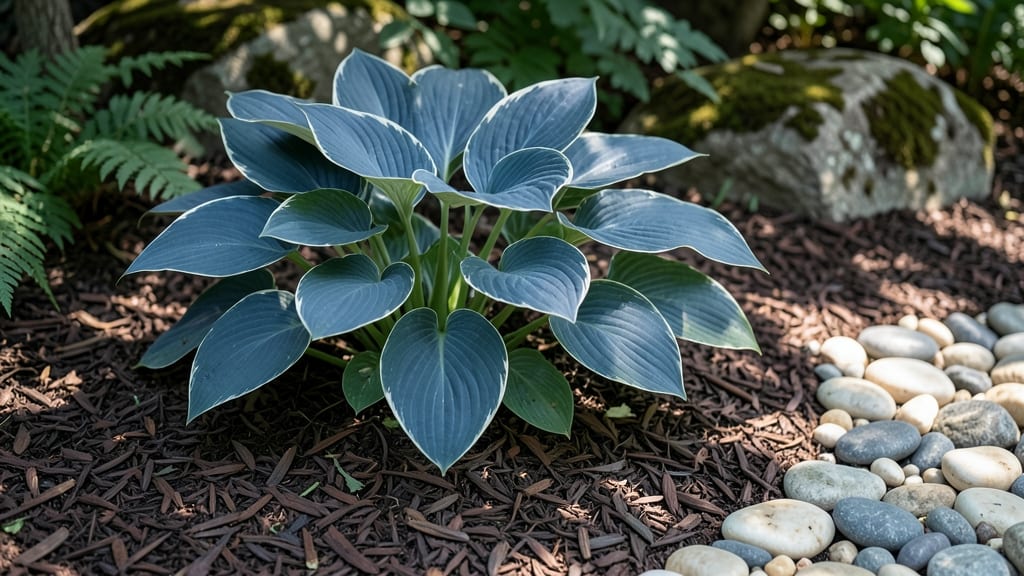
A part shade garden transforms tricky spots into lush, vibrant spaces where plants thrive under dappled sunlight. ✨ I’ve turned my own shady corner into a thriving retreat by choosing the right plants and arranging them strategically—no more struggling with leggy seedlings or sparse blooms.
The key is understanding which plants crave that perfect balance of sun and shade, and how to layer them for maximum beauty and growth.
This isn’t about sacrificing color or texture—it’s about working with the light you have. Hostas, ferns, and astilbes flourish here, while hydrangeas and impatiens add bold pops of color.
The trick is placing taller plants toward the north or west to shield shorter ones from harsh afternoon rays, creating a natural, sun-filtering canopy. You’ll end up with a garden that feels alive, even when the sun takes a backseat.
By the end, you’ll have a space that’s both functional and stunning—low-maintenance but packed with personality. Imagine morning sun warming your patio while the garden stays cool and lush all afternoon.
The best part? You’ll spend less time fighting nature and more time enjoying the results. Let’s make your part shade garden the envy of the neighborhood.
Whether you’re working with a woodland edge, a north-facing yard, or just a spot under a tree, these principles adapt easily. The same rules apply whether you’re planting perennials for long-term beauty or annuals for quick impact. Here’s how to get started without the guesswork.
📚 In This Guide
- What you need
- Instructions
- Tips and common mistakes
- Wrapping up and next steps
What you need
- ● Soil: 50–100 lbs of high-quality garden soil or compost (depending on garden size)
- ○ Optional: 10–20 lbs of organic matter (e.g., leaf mold, peat moss, or aged compost) for moisture retention
- ● Plants: 3–5 mature plants suited for part shade (e.g., hostas, ferns, astilbes, or hydrangeas)
- ● 5–10 seedlings (if starting from scratch)
- ● Mulch: 2–3 bags of organic mulch (e.g., shredded bark or pine straw) to retain moisture
- ● Tools: 1 garden trowel (for transplanting)
- ● 1 pruners (for trimming)
- ● 1 garden fork (for aerating soil)
- ● 1 wheelbarrow (for hauling materials)
- ● 1 watering can or hose with a gentle spray nozzle
- ● 📏 Measure your space: Note dimensions to calculate soil/plant quantities.
- ● ☀️ Assess sunlight: Track dappled shade patterns (e.g., 3–6 hours of partial sun).
- ● 💧 Water access: Ensure proximity to a hose or irrigation system.
- ○ 🌱 Soil test (optional but helpful): Check pH (6.0–7.0 ideal for most part-shade plants).
Step-by-Step guide to designing a thriving part shade garden
Let’s create a lush, low-maintenance garden where dappled sunlight brings out the best in shade-loving plants.
🌱 Step 1: Assess Your Shade Conditions
First, observe your space for at least a week to determine how much sunlight it receives. Part shade typically means 3-6 hours of sunlight daily, but the angle matters—morning sun is gentler than harsh afternoon rays. Walk through your garden at different times to note where light filters through trees or buildings.
I like to mark the sunniest and shadiest spots with flags or stakes. This helps you visualize how plants will perform. For example, hostas and ferns thrive in deeper shade, while impatiens and astilbes tolerate a bit more light. If your area gets only 2-3 hours of sun, focus on true shade plants like lungwort or bleeding heart.
🌿 Step 2: Choose the Right Plants for Your Microclimates
Select plants based on your observations. For moderate shade (4-6 hours of sun), try heuchera, astilbe, or hydrangeas—they bloom beautifully without scorching. In lighter shade (3 hours or less), opt for hostas, ferns, or astilbe varieties like ‘Fanal’, which handle lower light gracefully.
Layer your plants by height: Place taller varieties like foxglove or Japanese painted fern at the back, mid-height plants such as heuchera or coral bells in the middle, and trailing options like sweet woodruff or ajuga at the front. This creates depth and ensures no plant gets overshadowed by its neighbors.
💧 Step 3: Prepare the Soil for Moisture Retention
Part shade gardens often have moist, well-draining soil because less sunlight means slower evaporation. Amend your soil with 2-3 inches of compost or aged manure to improve fertility and drainage. If your soil is heavy clay, mix in 1 part perlite or coarse sand for every 2 parts soil to prevent waterlogging.
Test your soil’s moisture by squeezing a handful—it should hold together but not feel soggy. If it crumbles easily, add more organic matter. Mulch with 2-3 inches of shredded bark or leaves to retain moisture and suppress weeds. This is especially important in part shade, where competition for water can be fierce.
☀️ Step 4: Plant with Spacing and Light in Mind
Dig holes twice as wide as the root ball but no deeper—this encourages roots to spread outward. Space plants according to their mature size: 18-24 inches apart for most perennials, but 3-4 feet for larger shrubs like hydrangeas. Crowding leads to competition for light and nutrients, which weakens growth.
Place taller plants toward the north or west side of the bed to avoid shading shorter varieties. For example, if your garden gets morning sun, position sun-loving plants like columbine on the east side, where they’ll catch the gentler light. Water deeply after planting to settle the soil around roots.
✂️ Step 5: Maintain with Pruning and Seasonal Care
Remove spent blooms from plants like astilbe or impatiens to encourage more flowers and prevent seed production. In early spring, trim back dead foliage from perennials like heuchera to make room for new growth. Avoid heavy pruning in late summer, as it can stunt fall blooms.
Fertilize lightly in early spring with a balanced, slow-release fertilizer (like 10-10-10) to support growth without burning tender roots. In part shade, less is often more—over-fertilizing can lead to leggy, weak stems. Monitor for pests like slugs or aphids, which thrive in damp, shady conditions, and address them promptly with organic controls.
Tips & tricks for perfect part shade gardens
Creating a thriving part shade garden takes more than just picking pretty plants—it’s about understanding how light dances through your space. Here’s what I’ve learned from years of trial and error to help your garden flourish.
Light Mapping is Everything: Don’t just guess at sunlight exposure—actually track it. Use a simple app or mark your garden with flags at different times of day. I’ve seen gardens where morning sun creates ideal conditions for sun-lovers, while afternoon light turns them into crispy failures. The 3-6 hour range in Step 1 is your sweet spot for most part shade plants, but remember that morning light is gentler than afternoon heat.
Soil Prep Secrets: That 2-3 inches of compost in Step 3 isn’t just about nutrients—it’s about creating the perfect moisture balance. I’ve found that part shade gardens need soil that holds water but drains well. For heavy clay soils, mix in 1 part perlite or coarse sand to prevent waterlogging. Pro tip: Test your soil’s moisture by squeezing a handful—it should crumble slightly but hold together. If it falls apart like sand, add more organic matter.
Plant Placement Hacks: When layering plants in Step 2, think vertically first. Place taller plants like foxglove on the north side of your bed to prevent them from shading shorter varieties. For morning sun gardens, position sun-loving plants like columbine on the east side where they’ll get gentle light without afternoon intensity. And remember—18-24 inches spacing for perennials isn’t just a number, it’s what prevents future crowding battles.
Maintenance Shortcuts: The early spring fertilization in Step 5 doesn’t need to be complicated. I use a 10-10-10 fertilizer but apply only half the recommended dose—part shade plants are sensitive to over-fertilizing. For pest control, I’ve had great success with a simple beer trap for slugs (bury a shallow dish filled with beer) and neem oil spray for aphids. The key is consistency—check your garden weekly during growing season.
Pro Tips for Part Shade Garden
- Creating a thriving part shade garden takes more than just picking pretty plants—it’s about understanding how light dances through your space.
- Light Mapping is Everything: Don’t just guess at sunlight exposure—actually track it.
- Soil Prep Secrets: That 2-3 inches of compost in Step 3 isn’t just about nutrients—it’s about creating the perfect moisture balance.
Frequently asked questions
Got questions about creating a part-shade garden? You’re not alone!
Here are answers to the most common concerns—so you can design a lush, low-maintenance space with confidence.
What exactly is "part shade," and how do I measure it?
Part shade typically means 3–6 hours of direct sunlight daily, with dappled light or filtered shade (like under tall trees or near buildings). Use a sunlight tracker or observe your garden for a week—mark the sunniest and shadiest spots with stakes to plan accordingly.
Can I grow vegetables in a part-shade garden?
Yes! Leafy greens (spinach, lettuce), herbs (cilantro, parsley), and root veggies (carrots, radishes) thrive here. Avoid heavy sun-lovers like tomatoes or peppers—opt for shade-tolerant varieties or extend the season with containers for flexibility.
When is the best time to plant for part-shade success?
Plant perennials in early spring or fall (after the last frost) to give roots time to establish before summer heat. Annuals can go in late spring once soil warms. Mulch heavily in summer to retain moisture—part-shade plants still need hydration!
My part-shade garden stays too damp—what can I fix?
Improve drainage by amending soil with compost or perlite and choosing plants like heuchera, ferns, or astilbe that tolerate moisture. Avoid heavy clay soils; raise beds slightly or add gravel to the bottom if needed.
What are some low-maintenance alternatives to high-need part-shade plants?
Swap finicky plants for resilient options:
- Hostas (tolerate shade but need consistent moisture)
- Japanese forest grass (drought-tolerant once established)
- Lungwort (Pulmonaria) (self-seeds and thrives in poor soil)
- Hydrangeas (adaptable and long-blooming)
Wrapping up and next steps
A part shade garden is a dream come true for plant lovers who adore lush greenery without the harsh midday sun. 🌿 From hostas to heucheras, these plants thrive with just a few hours of dappled light—proving that even shadier spots can be vibrant and full of life.
Whether you’re a beginner or a seasoned gardener, this space offers endless creativity and low-maintenance beauty.
Ready to transform your garden? Start small—pick one or two plants from our list, test the light conditions, and watch your part-shade oasis flourish! Happy planting! 🌱