
Tools
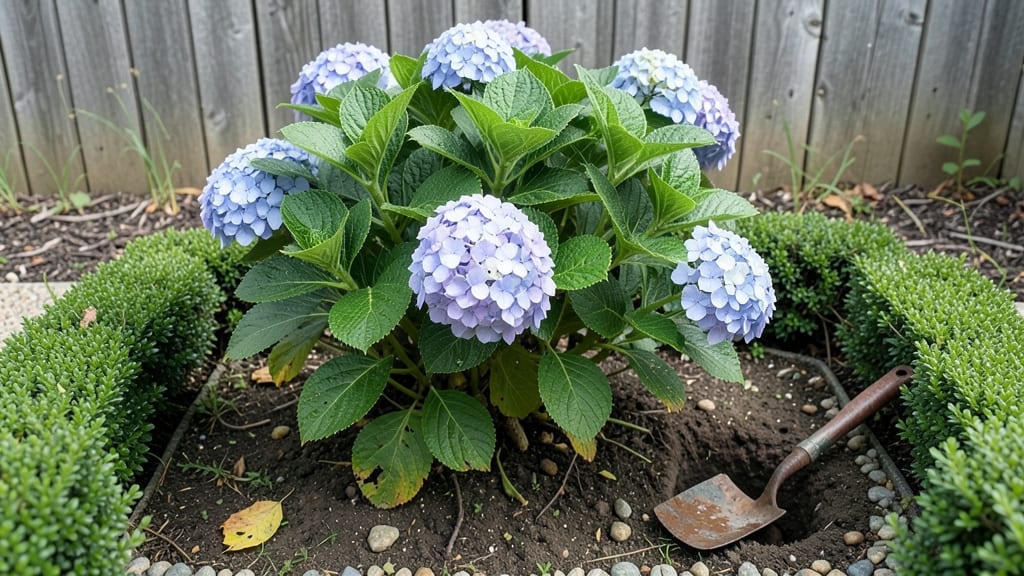
The most striking parterre garden plans start with a bold vision of symmetry and structure. 🌿 I’ve designed three over the years—one in my front yard, another for a client’s formal garden—and each time, the key was treating the space like a living painting where every element has its place.
The French influence isn’t just about neat lines; it’s about creating a sense of order that feels effortless, even when the garden is in full bloom.
You’ll need a few essentials to pull this off: a tape measure for precise lines, edging tools to keep borders crisp, and plants that thrive in formal arrangements—think boxwood for structure, lavender for color, and ornamental grasses for texture.
Most people underestimate how much the right materials matter; I learned that the hard way with my first attempt when cheap plastic edging warped under the sun. Start with durable options like brick, stone, or metal for long-lasting results.
By the time you’re done, your garden will feel like a masterpiece from Versailles, but with a personal touch. The symmetry isn’t rigid—it’s about balance, so you can play with uneven heights or varying plant densities to keep it natural.
Seasonal interest is the secret: mix evergreens for year-round structure, spring bulbs for early color, and late-blooming perennials to carry you through fall. The payoff? A garden that turns heads every time someone walks by.
This design works for any yard size—whether you’re outlining a small rectangular bed or a grand, multi-tiered layout. The principles stay the same: clean lines, thoughtful plant layering, and a touch of whimsy in the details. Ready to sketch your first plan? Grab a pencil and let’s get started.
📚 In This Guide
- What you need
- Instructions
- Tips and common mistakes
- Wrapping up and next steps
What you need
- ● Soil & Amendments: Topsoil (2–3 cubic yards, depending on garden size)
- ● Compost (1–2 bags, 40 lb each) for nutrient-rich base
- ○ Sand (optional, 1–2 bags, 50 lb each) for drainage in clay-heavy soil
- ● Edging & Structure: Bricks or pavers (50–100 units, depending on design complexity)
- ● Garden edging (10–20 ft, flexible or metal)
- ● Landscape fabric (1 roll, 4 ft wide) to suppress weeds
- ● Plants & Mulch: Boxwood shrubs (6–12 plants, 1–2 ft tall)
- ● Low-growing perennials (e.g., lavender, thyme, or sedum—10–20 plants)
- ● Mulch (2–3 bags, shredded bark or gravel)
- ● Tools: Shovel & spade (1 each)
- ● Wheelbarrow (1, for hauling soil)
- ● Garden rake (1, for leveling)
- ● Measuring tape (1, 25 ft)
- ● String line & stakes (for marking symmetry)
- ● Pruning shears (1, for shaping plants)
- ● Garden hose with spray nozzle
- ● Decorative gravel (e.g., pea gravel or decorative stones for pathways)
- ● Topiary shears (for sculpting boxwood into shapes)
- ● Outdoor-safe paint (for staining bricks or adding color accents)
- ● Solar-powered garden lights (to highlight your masterpiece at night)
- ● Statues or ornate planters (for that classic French flair)
Step-by-step instructions for creating a classic parterre garden
This design brings timeless French elegance to your outdoor space with clean lines and lush layers.
🪴 Step 1: Design the Layout and Mark the Beds
Start by sketching your parterre design on paper, using a central focal point like a statue or fountain. Traditional parterres feature geometric shapes—rectangles, ovals, or diamonds—with symmetrical borders. For a 4-bed design, divide your space into equal sections, each 6-8 feet wide and 10-12 feet long, with 2-foot-wide pathways between them.
Use a string line and stakes to mark the edges of each bed. For crisp lines, stretch the string taut and use a level to ensure it’s perfectly straight. Press a garden edging tool along the string to create a clean border. This prevents grass or weeds from encroaching and gives your design that polished French look.
🌿 Step 2: Prepare the Soil and Install Edging
Remove any existing grass or weeds from the marked beds, digging down 6-8 inches to loosen the soil. Mix in 2-3 inches of compost to improve drainage and fertility, working it evenly into the soil. For a raised parterre effect, build up the beds slightly higher than the pathways to prevent water pooling.
Install metal or stone edging along the borders to keep the design sharp. For a classic look, use low boxwood hedges planted in a staggered pattern along the edges. Space them 12-18 inches apart and trim them to 2-3 feet tall for a neat, formal appearance. This edging will define your parterre’s structure and make maintenance easier.
☀️ Step 3: Plant the Foundation and Filler Layers
Begin with low-growing perennials like lavender, creeping thyme, or dwarf boxwood for the base layer. Plant them in symmetrical patterns, spacing them 6-12 inches apart depending on their mature size. These plants will create a lush, textured foundation that frames the rest of your design.
Add medium-height plants like roses, hydrangeas, or ornamental grasses in the center of each bed. Place them 12-18 inches apart to allow room for growth. For height variation, include tall spikes like delphiniums or hollyhocks toward the back of each section. This layered approach ensures depth and visual interest while maintaining balance.
✂️ Step 4: Add Finishing Touches and Mulch
Spread a 2-inch layer of mulch over the soil to suppress weeds and retain moisture. Use cypress or pine bark mulch for a natural, elegant look. Avoid piling mulch against plant stems—keep it 2 inches away to prevent rot. This step also helps regulate soil temperature and reduces watering needs.
Finally, add gravestones, topiary, or decorative stones as focal points. For a true French parterre, incorporate ornamental ironwork or low trellises to frame climbing plants like clematis or jasmine. Step back and adjust any uneven plants or gaps—symmetry is key, but don’t stress over perfection. A slight naturalness keeps the garden feeling alive and inviting.
Tips & tricks for perfect parterre garden design
Creating a classic parterre garden takes patience and precision—but these tips will help you achieve that polished French look without the stress.
The Layout Factor: When sketching your design, use graph paper to help visualize proportions. For a 4-bed parterre, each bed should be roughly 6-8 feet wide by 10-12 feet long with 2-foot pathways between them. I find it helpful to draw a grid first—this ensures perfect symmetry before you even dig the first hole. Trust me, this saves hours of adjustments later!
Edging Essentials: For that crisp, formal look, don't skip the edging. Metal or stone borders create clean lines, but boxwood hedges take it to the next level. Plant them 12-18 inches apart and trim to 2-3 feet tall—this creates a living frame that defines your design. Pro tip: Use a string line and level when installing edging to guarantee those perfect straight lines.
Planting Strategy: The layering technique is what makes parterres so stunning. Start with low-growing plants like lavender or creeping thyme as your base, then build up to medium-height roses or hydrangeas, and finally add tall spikes like delphiniums toward the back. This creates depth and visual interest while maintaining that balanced French aesthetic. Don't be afraid to step back frequently—it's the only way to see if everything looks harmonious.
Mulch Matters: That 2-inch layer of mulch isn't just decoration—it's functional! Apply it evenly across the beds, keeping it 2 inches away from plant stems to prevent rot. Cypress or pine bark mulch gives that classic French garden look while helping regulate soil temperature and reducing weeds. I like to refresh the mulch every spring to keep my parterre looking its best all season.
Pro Tips for Parterre Garden Plans
- Creating a classic parterre garden takes patience and precision—but these tips will help you achieve that polished French look without the stress.
- The Layout Factor: When sketching your design, use graph paper to help visualize proportions.
- Edging Essentials: For that crisp, formal look, don't skip the edging.
Frequently asked questions
Got questions about creating your own parterre garden? You’re not alone! Here are answers to the most common queries to help you design with confidence.
What’s the best time of year to start a parterre garden?
The ideal time to begin is in early spring (after the last frost) or late summer (after peak heat). Spring lets you establish plants before summer, while late summer gives plants time to root before winter. Avoid planting in extreme heat or frost—both can stress young plants.
How do I choose the right size for my parterre?
Size depends on your space and maintenance goals! A classic parterre is often 4–8 feet wide (with paths every 3–4 feet) and 10–20 feet long. For beginners, start small (6x10 feet) to simplify upkeep. Larger designs require more materials, labor, and irrigation—so scale based on your comfort level!
Can I use annuals instead of perennials in a parterre?
Annuals offer bold color changes and seasonal variety, while perennials provide long-term structure. Mix both for flexibility: Use perennials (like lavender or boxwood) for borders and annuals (like petunias or marigolds) for vibrant fillers. Just plan to replant annuals yearly!
What’s the easiest way to fix uneven soil in a parterre?
Start by removing sod or debris, then level the area with a rake or shovel. For deeper dips, add a mix of topsoil and compost (50/50 ratio) and tamp it down. Use a laser level or string line to check for uniformity. Pro tip: Add a 1–2 inch sand layer first for drainage if your soil is clay-heavy.
How do I keep my parterre looking symmetrical without it feeling stiff?
Symmetry doesn’t mean rigidity—play with texture and height! Group odd-numbered plants (3, 5, or 7) in clusters for natural flow. Use varied foliage shapes (like spiky yucca beside rounded hydrangeas) and contrasting heights (tall grasses in back, low boxwood in front). Asymmetrical accents (like a single sculptural plant) can add charm!
Wrapping up and next steps
Creating a parterre garden is like crafting a living work of art—one that blends symmetry, history, and natural beauty into your outdoor space. Whether you’re drawn to the classic French style or a modern twist, these plans offer a roadmap to elegance that stands the test of time. 🌿✨
The key? Start small, plan meticulously, and let your creativity guide the details. Once you’ve sketched your design, gathered your materials, and addressed those common questions, it’s time to roll up your sleeves and dig in.
Ready to transform your garden into a breathtaking masterpiece? Your next step? Grab your tools and begin planting!