
Tools
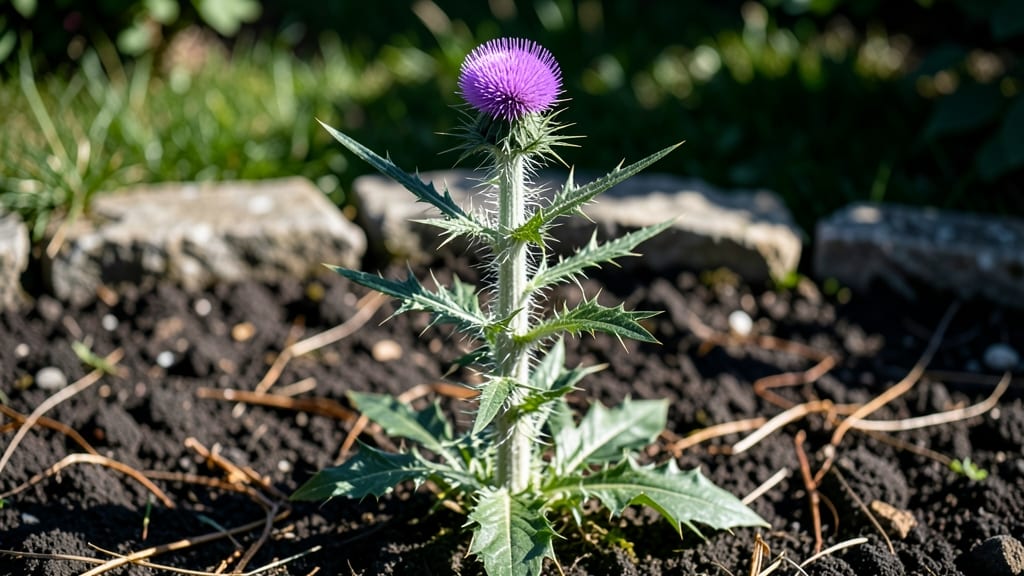
That one prickly weed that turns your garden into a minefield—it’s time to reclaim your space without harsh chemicals. ✨ I’ve wrestled with thistles, cactus patches, and nettles that made every step feel like walking through a porcupine’s nest, and I’ve found a method that actually works: vinegar, soap, and a little elbow grease.
The key is acting fast before those spines spread deeper into your soil.
You’ll need white vinegar (the stronger, the better), dish soap (just a few drops), gloves (long sleeves too—trust me), and a spray bottle for precision. This combo doesn’t just kill the weed on contact; it prevents regrowth by breaking down the root structure over time.
The best part? It’s cheap, non-toxic, and won’t harm your plants if applied carefully. Just avoid spraying on windy days—you don’t want vinegar drift turning your petunias into crispy critters.
Within 24 hours, you’ll see the prickles wilt and turn brown, and within a week, they’ll crumble away like overcooked pasta. Your garden will feel softer underfoot, and the satisfaction of eradicating those spiky invaders?
Priceless. The secret weapon here is consistency—treat new sprouts immediately, and you’ll stop them before they become a full-blown problem.
For long-term peace, mulch heavily with cardboard or landscape fabric to block light from weed seeds, and pull any survivors by the roots. This method works for thistles, cactus, and nettles, but always test a small area first—some plants (like succulents) might not love the acidity.
Now grab your spray bottle and let’s make your garden safe again.
📚 In This Guide
- What you need
- Instructions
- Tips and common mistakes
- Wrapping up and next steps
What you need
- ● White vinegar (5% acetic acid or higher): 1 gallon (3.8 liters) – The star of the show for dissolving weed roots!
- ● Dish soap (blue Dawn or similar): 1–2 tablespoons – Acts as a surfactant to help the vinegar stick and penetrate.
- ● Spray bottle or garden sprayer: 16–32 oz (0.5–1 liter) capacity – For even coverage (a pump sprayer works best for larger areas).
- ● Gloves (heavy-duty gardening or rubber): 1 pair – Protects your hands from vinegar burns and prickly stems.
- ○ Safety goggles (optional but recommended): – Shields your eyes from vinegar splashes or debris.
- ○ Pruners or garden shears: – For trimming larger weeds before spraying (optional but helpful).
- ● Watering can or hose (for rinsing): – To clean tools and dilute any residual vinegar on plants you want to save.
- ○ Baking soda (1–2 tbsp per gallon): – Boosts the solution’s effectiveness (optional but great for stubborn weeds).
- ● Salt (1 cup per gallon): – Use sparingly! Only for extreme cases—can harm soil over time.
- ● Plastic sheeting or cardboard: – To shield nearby plants or mulch from accidental spray.
- ● Label or marker: – To tag treated areas (so you don’t accidentally re-spray later).
Step-by-step guide to eradicating prickly garden weeds naturally
Here's how to tackle those stubborn, spiky invaders using simple, effective methods.
🌱 Step 1: Identify and Prepare the Target Area
First, confirm you're dealing with a prickly weed—look for sharp leaves or stems that make contact painful. Put on thick gloves and long sleeves to protect yourself. Clear away any loose debris or mulch from the area, as these can shield weeds from treatment. I like to work on a dry day when the weeds are fully exposed and less likely to spread seeds.
Mark the perimeter with a small stake or string if the infestation is large. This helps you focus your efforts and prevents accidental treatment of nearby plants. Take a moment to observe the weed's growth pattern—some have deep taproots that require special attention later.
💧 Step 2: Apply Vinegar Solution for Immediate Control
Mix 1 gallon of white vinegar with 1 cup of dish soap in a spray bottle—this creates a potent herbicide that breaks down weed cell walls. Vinegar alone can be too weak, but the soap helps it cling to the prickly surfaces. Spray the solution directly onto the weeds, covering all visible leaves and stems until they glisten with moisture.
Work in small sections to avoid missing any part of the weed. Avoid spraying on windy days, as the vinegar can drift onto desirable plants. I always test a small area first to ensure the solution doesn't harm nearby flowers or vegetables. Reapply every 3-5 days for 2 weeks—this consistent approach ensures the weed's energy reserves are depleted.
✂️ Step 3: Hand-Pull Remaining Weeds Safely
After the vinegar treatment, wait 48 hours to allow the solution to work. Then, use a weeding fork or your fingers to grasp the weed at the base. Pull firmly and steadily—prickly weeds often have shallow roots, but some may have deeper taproots that require a digging tool. Wrap your hands in thick cloth or use tongs to avoid punctures.
Never pull weeds when the soil is dry, as roots may break and regrow. Instead, water the area lightly the day before pulling to loosen the soil. Dispose of pulled weeds immediately in a sealed trash bag—never compost them, as they can spread seeds or regrow.
🌿 Step 4: Prevent Regrowth with Mulch and Soil Care
Once the area is clear, apply 2-3 inches of organic mulch (like straw or wood chips) to suppress future weed growth. Mulch blocks sunlight, which prickly weeds need to germinate. I prefer mulch over landscape fabric, as it improves soil health over time and allows rain to penetrate.
Water the area deeply after mulching to help the mulch settle and encourage beneficial soil microbes. Keep the mulch layer consistent—adding more as it breaks down prevents gaps where weeds can sprout. Regularly inspect the area for new weeds, especially after rain, which can wash away mulch and expose bare soil.
☀️ Step 5: Monitor and Maintain the Area
Check the treated area weekly for new weed growth, especially in the first month. Prickly weeds can be persistent, so early intervention is key. If you spot any new sprouts, treat them immediately with the vinegar solution before they establish themselves.
Over time, the mulch will break down and need replenishing. I refresh the mulch layer every 3-4 months to maintain its weed-suppressing effectiveness. Healthy soil with good microbial activity also helps crowd out weeds naturally, so consider adding compost to the area annually.
Tips & tricks for eradicating prickly garden weeds naturally
Real talk: those prickly weeds won't surrender without a strategic approach. Here's how to turn the tide in your garden war.
Timing is Everything: The 48-hour wait after applying the vinegar solution is non-negotiable—this gives the acetic acid time to penetrate the weed's cell walls and break down its structure. I've learned the hard way that rushing this step often leaves stubborn roots that regrow. For maximum effectiveness, apply the solution in the late afternoon when temperatures are cooler; this reduces evaporation and increases contact time with the weeds.
Safety First: Never underestimate those sharp spines! I always double up on protection by wearing thick leather gloves and long sleeves when pulling weeds, even after the vinegar treatment. For extra security, I keep a pair of tongs handy to grab weeds from awkward angles. Remember, the 48-hour waiting period doesn't eliminate all prickles—some weeds will still pack a punch when you pull them.
Solution Strength Matters: While the 1 gallon of white vinegar and 1 cup of dish soap ratio works well, you can boost effectiveness by adding 1 tablespoon of salt to the mix. The salt enhances the herbicidal properties, but only use this stronger solution on tough weeds—it can be too harsh for delicate garden plants. Always spot-test first, especially if you're treating areas near vegetables or flowers.
Mulch Maintenance: The 2-3 inch mulch layer isn't just a one-time application—it's an ongoing weed prevention system. I've found that maintaining this thickness requires replenishing every 3-4 months, especially after heavy rains. For particularly stubborn areas, consider using a heavier mulch like wood chips, which breaks down more slowly and provides longer-term protection against those prickly invaders.
Pro Tips for Prickly Garden Weed
- Real talk: those prickly weeds won't surrender without a strategic approach.
- Timing is Everything: The 48-hour wait after applying the vinegar solution is non-negotiable—this gives the acetic acid time to penetrate the weed's cell walls and break down its structure.
- Safety First: Never underestimate those sharp spines!
Frequently asked questions
Got questions about tackling prickly garden weeds naturally?
You’re not alone—here are the most common concerns and straightforward answers to help you reclaim your garden without harsh chemicals.
What’s the fastest way to kill prickly weeds with vinegar and soap?
For immediate results, mix 1 gallon of white vinegar (5% acetic acid), 1 cup dish soap, and 1 tbsp table salt in a spray bottle. Apply on a sunny day (weeds need heat to absorb the solution). Reapply every 3–5 days for stubborn patches. Pro tip: Avoid spraying desirable plants—vinegar is non-selective!
How long does it take for vinegar and soap to work?
You’ll see wilting within 24–48 hours, but full death may take 1–2 weeks, depending on the weed’s size and weather. Hotter temps (above 80°F) speed up the process. If weeds regrow, repeat the treatment—consistency is key!
Will vinegar kill my grass or flowers if it drifts?
Yes! Vinegar is highly corrosive to all plants. To protect nearby greenery:
- Use a shield (cardboard or plastic) around desired plants.
- Apply vinegar only on weeds with a pump sprayer for precision.
- Water the soil around plants before and after treatment to dilute any stray spray.
What if the weeds keep coming back?
Persistent weeds often mean roots or seeds remain. After killing the foliage:
- Dig up the roots (wear gloves—those spines are sharp!).
- Mulch the area with cardboard or newspaper to block sunlight (and seeds) for 4–6 weeks.
- For seed-based weeds (like crabgrass), reapply vinegar weekly until no new sprouts appear.
Can I use regular dish soap, or does it need to be Dawn?
While Dawn is popular (it breaks down plant cell walls effectively), any mild dish soap with surfactants will work. Avoid heavy-duty cleaners or soaps with bleach—they can harm soil. Stick to blue Dawn or generic brands for best results.
Does this method work in shady areas?
Vinegar’s effectiveness drops in low-light conditions because weeds rely on sunlight to absorb the acid. For shady spots:
- Try boiling water (pour directly on roots) or corn gluten meal (natural pre-emergent).
- Hand-pull weeds after rain when soil is soft.
- Cover bare soil with mulch to suppress regrowth.
Wrapping up and next steps
Dealing with prickly garden weeds doesn’t have to mean harsh chemicals or endless pulling—vinegar and soap offer a natural, effective, and budget-friendly solution! By harnessing the power of these household staples, you can reclaim your garden without harming the environment or your plants. 🌱
Ready to transform your yard? Start small—test the solution on a patch of weeds first, then expand your efforts. With patience and consistency, your garden will thrive weed-free in no time. Happy gardening! 🌿