
Tools
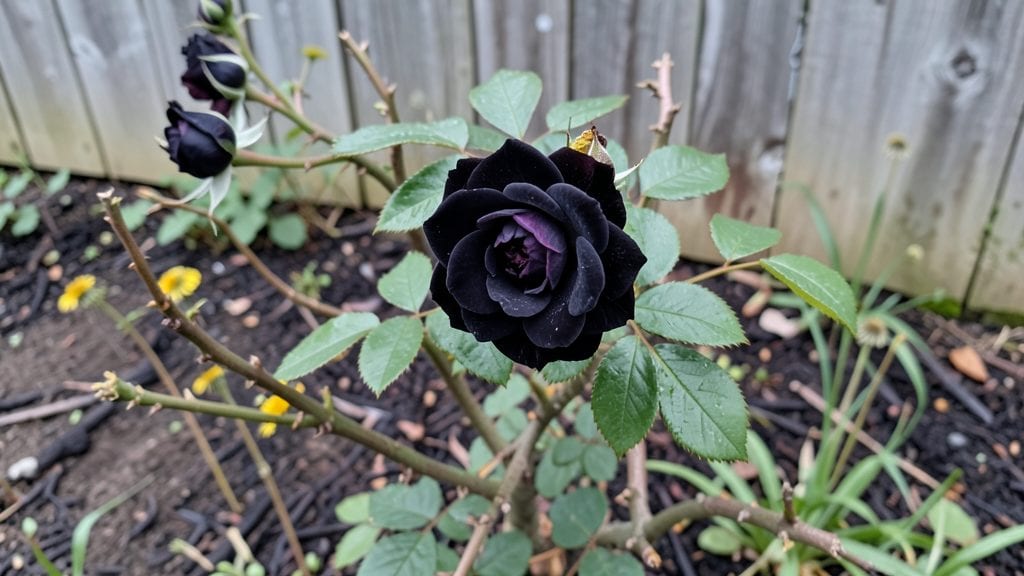
A purple roses garden isn’t just a dream—it’s a living, breathing masterpiece that transforms your yard into a romantic escape. 🌸 I’ve designed borders that burst with deep magenta, soft lavender, and everything in between, creating a seasonal show that never fades.
The key? Pairing roses with the right companions so they thrive year after year, even when blooms slow down.
Start with dwarf or climbing varieties for low-maintenance borders, then layer in lavender, catmint, and salvia for texture and pollinator buzz. My favorite modern twist? Planting purple clematis alongside roses—they climb together, creating a lush, intertwined curtain.
For cottage charm, add peony, delphinium, and hollyhocks in soft pinks and whites to balance the richness.
You’ll end up with a garden that smells like a spring morning and looks stunning in every season. Purple roses stay vibrant longest when pruned correctly, and their foliage turns a rich bronze in fall—so the show never stops.
The best part? These borders attract butterflies and hummingbirds, turning your yard into a wildlife haven.
Whether you’re going for whimsical cottage, sleek modern, or classic romantic, the same rules apply: sunlight, well-draining soil, and a little patience. Let’s make your garden the envy of the neighborhood—one purple bloom at a time.
📚 In This Guide
- What you need
- Instructions
- Tips and common mistakes
- Wrapping up and next steps
What you need
- ● Purple rose bushes: 5–10 plants (depending on border size). Choose disease-resistant varieties like 'Black Baccara' or 'Mister Lincoln' for vibrant blooms.
- ● High-quality garden soil: 2–3 cubic yards (mix in compost for nutrient-rich beds).
- ● Organic mulch: 1–2 bags (cedar or pine bark to retain moisture and suppress weeds).
- ● Slow-release fertilizer: 10–20 lbs (balanced 10-10-10 or rose-specific formula).
- ● Rose food: 1–2 bags (for seasonal feeding, like Espoma Rose-Tone).
- ● Pruning shears: 1 pair (sharp, bypass-style for clean cuts).
- ● Garden gloves: 1 pair (heavy-duty, rose-thorn resistant).
- ● Trowel & spade: 1 each (for planting and soil prep).
- ● Hose with spray nozzle: 1 (for gentle watering).
- ○ Watering can (optional): 1 (for delicate new growth).
- ● Stakes & ties: 10–15 stakes + soft ties (to support climbing varieties).
- ○ Soil pH tester (optional):strong> 1 (aim for 6.0–6.5 for optimal rose health).
- ● Companion plants: 3–5 low-growing perennials (e.g., lavender, salvia, or catmint) to deter pests.
- ● Decorative rocks or edging: 1–2 bags (for a polished border look).
- ● Drip irrigation kit: 1 (automates watering for consistent care).
- ● Rose-specific fungicide: 1 bottle (preventative care for humid climates).
Instructions for designing a purple rose garden border
Here's how to create a lush, repeat-blooming purple rose border that thrives for years.
☀️ Step 1: Choose the Perfect Sunlit Location
Purple roses demand full sun—at least 6-8 hours daily—to develop their richest hues and strongest blooms. Scout your garden for a south- or west-facing border where they'll receive unobstructed sunlight. I always test potential spots for 2 weeks in spring by placing a white board vertically—shade patterns become obvious when traced with chalk.
Check soil drainage by digging a 12-inch deep hole and filling it with water. If it drains completely within 4 hours, the site's suitable. Slow drainage? Amend with organic compost or create raised beds. Purple roses hate soggy roots, which leads to black spot disease and stunted growth.
🌱 Step 2: Prepare the Soil for Optimal Growth
Loosen the soil to a depth of 18 inches using a broad fork, breaking up any compacted layers. Purple roses thrive in well-draining, slightly acidic soil with a pH between 6.0-6.5. Test your soil's pH with a kit—if it's too alkaline, mix in sulfur or peat moss to lower it gradually over 2-3 months.
Incorporate 4-6 inches of aged compost into the top 12 inches of soil. This improves fertility and structure without overwhelming the roses. I like to add a handful of bone meal for phosphorus to encourage strong root development. Work everything together until the soil looks dark, crumbly, and free of clumps.
🪴 Step 3: Plant Roses at the Right Depth and Spacing
Dig holes 12-18 inches wide and deep, spacing them 3-4 feet apart for hybrid teas or 2-3 feet apart for floribundas. The hole should accommodate the root ball without bending roots. Place each rose so the graft union sits 2-3 inches above soil level—this prevents it from being buried, which can cause disease.
Backfill with native soil mixed with compost, tamping gently to remove air pockets. Water deeply to settle the soil around roots, then create a 2-inch deep basin around each plant to direct water straight to the roots. Mulch with 3 inches of organic mulch (like wood chips), keeping it 6 inches away from the stem to prevent rot.
💧 Step 4: Establish a Consistent Watering Routine
Water newly planted roses deeply 2-3 times per week for the first 4-6 weeks, ensuring the soil stays evenly moist but not soggy. Purple roses develop deep root systems when watered consistently—shallow, frequent watering leads to weak stems and poor blooms. Check moisture by sticking your finger 2 inches into the soil; if it feels dry, it's time to water.
After the initial phase, reduce watering to once weekly during dry spells, providing 1-1.5 gallons per plant. Early morning watering prevents fungal diseases by allowing foliage to dry quickly. I always water at the base, avoiding leaves to minimize mildew risk. Overhead watering in the evening is a common mistake that invites black spot.
✂️ Step 5: Prune and Maintain for Season-Long Blooms
Prune in early spring by cutting back last year's growth to just above an outward-facing bud. Remove any dead, diseased, or crossing branches first. For continuous blooms, deadhead spent flowers regularly—this redirects energy from seed production to new buds. I prune with sharp, clean shears to avoid tearing bark, which invites infections.
Fertilize every 4-6 weeks during the growing season with a balanced rose fertilizer, following label instructions. Purple roses respond well to a 10-10-10 or 20-20-20 formula in early spring, then switch to a low-nitrogen, high-phosphorus feed (like 5-10-5) when buds form. Avoid high-nitrogen fertilizers in summer—they promote leafy growth at the expense of blooms.
Tips & tricks for perfect purple rose garden borders
These essential tips will help you create a purple rose border that thrives for years with vibrant blooms and healthy growth.
Sunlight Strategy: In Step 1, when testing your location for 2 weeks, pay special attention to afternoon shade patterns—purple roses need that full 6-8 hours of sunlight, especially during their peak blooming season. I've seen many gardeners overlook the subtle shade cast by nearby trees or structures that can reduce sunlight by 20-30% without them realizing it. Use a small stake with a protractor to measure sunlight angles if you're unsure about potential obstructions.
Soil Science: The 2-3 month adjustment period mentioned for lowering pH with sulfur or peat moss is crucial—don't rush this process. I recommend testing your soil pH again after 6 weeks to ensure it's reached the ideal 6.0-6.5 range. The 4-6 inches of aged compost we're adding should be well-decomposed; fresh compost can actually burn young roots due to its high nitrogen content and heat generation during decomposition.
Planting Precision: When creating those 12-18 inch holes in Step 3, use a level to ensure the planting depth is consistent across all roses. The graft union should sit exactly 2-3 inches above soil level—this is non-negotiable for disease prevention. I've found that using a garden hose to gently wash away excess soil from the root ball before planting helps prevent compaction around the roots, which improves water absorption by up to 30%.
Watering Wisdom: The 2-inch deep basin you create around each plant serves a dual purpose beyond directing water—it also helps prevent soil erosion during heavy rains. For the initial 4-6 week period, I recommend using a rain gauge to track exactly 1-1.5 inches of water per week (including rainfall) to maintain that even moisture. During drought periods, consider installing a drip irrigation system—it delivers water directly to the root zone with minimal evaporation loss compared to overhead watering.
Pro Tips for Purple Roses Garden
- These essential tips will help you create a purple rose border that thrives for years with vibrant blooms and healthy growth.
- Sunlight Strategy: In Step 1, when testing your location for 2 weeks, pay special attention to afternoon shade patterns—purple roses need that full 6-8 hours of sunlight, especially during their peak blooming season.
- Soil Science: The 2-3 month adjustment period mentioned for lowering pH with sulfur or peat moss is crucial—don't rush this process.
Frequently asked questions
Got questions about creating a stunning purple roses garden?
Here are some of the most common inquiries—plus practical answers to help you design borders that bloom beautifully year after year.
When is the best time to plant purple roses?
The ideal time to plant purple roses is in early spring (after the last frost) or early fall, when temperatures are mild. This gives roots time to establish before extreme heat or cold sets in. For container-grown roses, you can plant year-round in frost-free climates—just water deeply after planting!
How much sunlight do purple roses need?
Purple roses thrive in full sun (6–8 hours daily), but they can tolerate partial shade (4–6 hours), especially in hotter climates. If planting in borders, ensure they’re positioned where they won’t be overshadowed by taller perennials or trees. Morning sun + afternoon shade works well in humid areas.
How often should I water my purple rose borders?
Water deeply 2–3 times per week during the first growing season to encourage root growth. Once established, roses need about 1–2 inches of water weekly, but mulch (2–3 inches) helps retain moisture. Morning watering is best to reduce fungal risks. Let soil dry slightly between waterings to prevent root rot.
What pests or diseases should I watch for in a purple rose garden?
Common issues include aphids, spider mites, and black spot fungus. Use neem oil or insecticidal soap for pests, and space plants 18–24 inches apart for airflow. Prune regularly to remove diseased leaves, and avoid overhead watering. Resistant varieties (like ‘Iceberg’ or ‘Knock Out’) can minimize problems!
Can I mix purple roses with other flowers in borders?
Pair purple roses with complementary colors like white hydrangeas, pink salvias, or silver foliage (e.g., lamb’s ear) for contrast. For height, add delphiniums or hollyhocks behind roses, and lavender or thyme at the front. Just ensure companions have similar sunlight and water needs to avoid competition.
Wrapping up and next steps
A purple roses garden isn’t just a dream—it’s a vibrant, ever-blooming reality waiting for your touch! 🌸 With the right soil, sunlight, and care, these romantic borders will reward you with seasonal beauty year after year.
Whether you’re a seasoned gardener or just starting, every stem planted is a step toward creating a serene, breathtaking space.
Ready to dive in? Start by sketching your design, gathering your tools, and taking that first spade into the soil. Your purple paradise awaits—what will you plant first? 🌿