
Vegetables
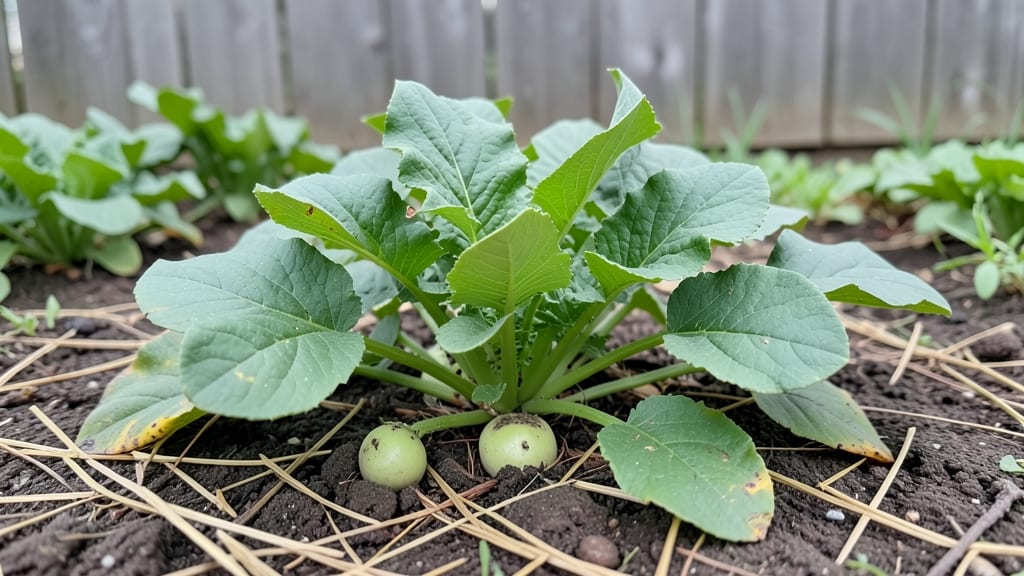
My vegetable garden yields more in a 4x8-foot space than my neighbor’s entire backyard ever did. The secret isn’t fancy tools or rare seeds—it’s arranging plants the right way, using techniques like square-foot gardening or vertical towers to pack in every square inch without chaos.
I learned this the hard way after three seasons of wasted space and missed harvests, but now my garden produces twice as much food in half the footprint.
You don’t need a sprawling plot to grow a bounty—just a sunny spot, a few containers or raised beds, and a smart layout.
I’ll show you how to map out your space so every plant gets the light, nutrients, and airflow it needs, plus how to pair crops that help each other (like tomatoes with basil) while keeping pests at bay.
Even a balcony or patio can become a productive mini-farm with the right design.
Imagine snipping fresh herbs for dinner straight from your windowsill or harvesting pound after pound of tomatoes from a 4-foot-tall trellis. The best part? Your garden will look intentional, not like a haphazard pile of plants.
We’ll cover how to rotate crops yearly to keep soil healthy, where to tuck in flowers for beauty and function, and how to maximize vertical space with trellises and shelves.
Whether you’re working with a tiny urban yard or a suburban strip of land, these layouts adapt easily. Let’s turn your space into a high-yield, low-stress growing zone—no guesswork, just results. Ready to see how much more you can grow?
📚 In This Guide
- What you need
- Instructions
- Tips and common mistakes
- Wrapping up and next steps
What you need
- ● Garden Space: A raised bed (4’ x 8’ or smaller), containers (5+ gallons each), or in-ground plot (minimum 12” deep).
- ● Quality Soil: 2-3 cubic feet of organic potting mix or compost-enriched garden soil per plant (or 1 bag for raised beds).
- ● Compost: 1-2 bags of well-aged compost (or homemade compost) to enrich soil.
- ● Seeds or Seedlings: Radishes (fast-growing, great for beginners)
- ● Green onions (compact, high-yield)
- ● Cherry tomatoes (bush varieties for small spaces)
- ● Lettuce (leaf varieties like 'Black Seeded Simpson')
- ● Bush beans (e.g., 'Blue Lake')
- ● Watering Supplies: Watering can (1+ gallon capacity) or drip irrigation kit
- ● Hose with adjustable nozzle (for larger spaces)
- ● Basic Tools: Trowel (for planting/seeding)
- ● Pruners (for harvesting/training vines)
- ● Gloves (gardening-specific, for comfort)
- ● Support Structures: Trellises (for climbing plants like peas or pole beans) or tomato cages.
- ● Mulch: Straw or shredded leaves (to retain moisture and suppress weeds).
- ● Fertilizer: Slow-release organic fertilizer (e.g., fish emulsion or worm castings).
- ● Shade Cloth: Lightweight fabric (for hot climates or delicate greens).
- ● Harvesting Tools: Small knife or scissors (for clean cuts).
- ● Journal/Notebook: To track planting dates, watering schedules, and growth progress!
Step-by-step instructions for designing a high-yield small-space vegetable garden
This layout approach doubles your harvest without needing extra square footage.
Measure and Divide Your Space
Start by measuring your available area and sketch a rough layout on paper. I like to use graph paper where each square represents 1 square foot—this helps visualize plant spacing. For a 4-foot by 4-foot plot, you’ll work with 16 square feet total. Divide this into 4-foot-long raised beds (if using them) or mark rows with string for in-ground planting.
Focus on vertical growth first. Trellises, cages, or stakes will save space for vining plants like pole beans, cucumbers, or peas. Place these along the north or west edges of your plot to avoid shading shorter plants. Use a 4-foot height guideline for trellises—any taller risks blocking sunlight to lower crops.
Group Plants by Family and Sun Needs
Organize your garden into four distinct zones based on sunlight and plant families. The sunniest spot (at least 6-8 hours of direct sun) should host tomatoes, peppers, and eggplants. These heat-lovers need full exposure to thrive. In the partial shade (4-6 hours of sun), place leafy greens like lettuce, spinach, or kale—they bolt faster in scorching heat.
Never mix plant families in the same spot. For example, tomatoes, peppers, and eggplants are all nightshades and share diseases. Instead, group them together but separate from brassicas like cabbage or broccoli. This prevents soil-borne issues from spreading. Use the 4-foot bed length to create clear boundaries between families.
Layer Plants for Maximum Vertical Space
Stack plants by height to maximize every inch. Start with low-growing crops like radishes or lettuce at the front, followed by mid-height plants such as bush beans or Swiss chard in the middle. Reserve the back row for tall plants like corn or sunflowers—but only if your space gets full sun. If sunlight is limited, skip the corn and use the back row for pole beans or cucumbers climbing a trellis.
Leave 12-18 inches between rows to allow airflow and easy access. This spacing prevents fungal diseases and makes harvesting a breeze. I’ve found that interplanting fast growers (like radishes) with slow ones (like carrots) keeps the soil covered and reduces weeds. Just ensure the fast growers won’t smother their slower companions.
Add Mulch and Drip Irrigation
Spread 2-3 inches of organic mulch (like straw or shredded leaves) over the entire bed to retain moisture and suppress weeds. Mulch also keeps soil temperatures stable, which is critical for root crops like carrots or beets. Water deeply once a week (or more in extreme heat) using a drip irrigation system to deliver moisture directly to the roots. Avoid overhead watering—it wastes water and spreads disease.
Check soil moisture by sticking your finger 1 inch deep into the soil. If it feels dry, water again. Overwatering is just as harmful as underwatering, so let the top layer dry slightly between waterings. This method ensures your plants get consistent moisture without drowning their roots.
Rotate Crops Annually for Long-Term Health
Before replanting next season, swap the locations of plant families. For example, if tomatoes occupied the sunniest spot this year, move them to where beans grew last year. This breaks the cycle of pests and diseases that target specific plant families. Keep a simple garden journal to track where each family was planted each year—it’s easier than you think.
Use the space vacated by harvested crops (like radishes or lettuce) to sow fast-growing succession plants such as bush beans or zucchini. This keeps your garden productive all season long. By the time your tomatoes or peppers are done producing, you’ll have fresh greens or herbs ready to take their place.
Tips & tricks for maximizing small-space vegetable yields
These practical strategies will help you squeeze every ounce of productivity from your limited garden space without sacrificing plant health.
Visual Planning Pays Off: Before you break ground, sketch your layout to scale using graph paper where each square equals 1 square foot. This simple step reveals how plants will interact before you commit to planting. I've found that marking the 4-foot bed length on paper helps visualize how to fit all your intended crops. For example, you might realize that placing tall sunflowers in the back row would shade your lettuce—something you wouldn't notice until it's too late.
Sunlight Strategy Matters: When dividing your space into those four distinct zones, pay special attention to the sunniest spot where you'll place tomatoes, peppers, and eggplants. These heat-lovers need at least 6-8 hours of direct sun daily. If your morning sun is stronger than your afternoon, position these plants on the south or west side of your plot. For partial shade areas receiving 4-6 hours of sun, choose bolt-resistant varieties like 'Winter Density' kale or 'Black Seeded Simpson' lettuce that tolerate cooler conditions.
Vertical Growth Hacks: For vining plants like pole beans or cucumbers, use the 4-foot trellis height guideline but consider adding a second tier of trellising for extra production. I've successfully grown two tiers of pole beans by installing a second set of stakes 3 feet above the ground, allowing me to harvest twice as many beans from the same footprint. Just be sure to leave that crucial 12-18 inch row spacing to maintain airflow and prevent fungal issues.
Mulch Depth Matters: When applying your 2-3 inches of organic mulch, focus on keeping it evenly distributed across the entire bed surface. The mulch should cover the soil completely but not pile up against plant stems. For root crops like carrots or beets, maintain a 1-inch mulch depth around the base to prevent soil from crusting over the roots as they grow. This simple adjustment can dramatically improve harvest quality.
Pro Tips for R Vegetable Gardening
- These practical strategies will help you squeeze every ounce of productivity from your limited garden space without sacrificing plant health.
- Visual Planning Pays Off: Before you break ground, sketch your layout to scale using graph paper where each square equals 1 square foot.
- Sunlight Strategy Matters: When dividing your space into those four distinct zones, pay special attention to the sunniest spot where you'll place tomatoes, peppers, and eggplants.
Frequently asked questions
Got questions about r/vegetable_gardening?
You’re not alone! Here are answers to the most common queries—whether you're a beginner or a seasoned green thumb looking to optimize your small-space garden.
What are the best vegetables for beginners in a small garden?
Start with easy-to-grow crops like lettuce, radishes, green beans, cherry tomatoes, and herbs (basil, parsley, cilantro). These thrive in limited space, require minimal care, and deliver fast results. Avoid fussy plants like eggplants or artichokes until you gain confidence!
When is the best time to plant vegetables in a small garden?
Timing depends on your climate, but cool-season crops (spinach, peas, kale) go in early spring or fall, while warm-season veggies (tomatoes, peppers, cucumbers) need warm soil (60°F+). Use succession planting (e.g., radishes followed by beans) to maximize space year-round.
How can I troubleshoot common pests without chemicals?
Try these non-toxic fixes:
- Handpick pests (like tomato hornworms) early in the morning.
- Use row covers to block insects from eggs/larvae.
- Spray neem oil or soapy water (1 tsp dish soap + 1 quart water) on affected leaves.
- Attract beneficial bugs (ladybugs, lacewings) with dill, marigolds, or alyssum.
Pro tip: Rotate crops yearly to starve soil-borne pests!
What’s the most space-efficient layout for a 4x4-foot garden?
Use vertical gardening (trellises for beans, cucumbers) and square-foot gardening:
Corner
Example Layout
1 sq ft
16 basil plants or 4 tomato plants
4 sq ft
9 radishes + 1 carrot (interplanted)
Trellis
Pole beans or cucumbers (saves floor space!)
Pro tip: Plant fast growers (radishes, lettuce) near slow ones (tomatoes) to fill gaps.
Can I grow vegetables in containers if I don’t have a yard?
Use 5-gallon buckets, fabric grow bags, or deep pots (12"+ depth) for:
- Tomatoes, peppers, and herbs (1 plant per container).
- Leafy greens (spinach, kale) in shallow trays (6" depth).
- Radishes and green onions in window boxes.
Ensure containers have drainage holes and use lightweight potting mix. Balcony gardens work too—just rotate pots for even sun!
Wrapping up and next steps
R vegetable gardening proves that even small spaces can yield big harvests with the right layout and techniques! By embracing square-foot gardening, vertical growing, and companion planting, you’ll maximize every inch of your garden while keeping pests at bay and flavors vibrant. 🌱
Now that you’re armed with proven strategies, start small—pick one layout to test, track your progress, and let your green thumb grow! Whether you’re a beginner or a seasoned gardener, every seed planted is a step toward fresher, healthier meals. Happy growing! 🌿
- Next step: Sketch your space and choose a layout—then grab those seeds!
- Pro tip: Share your progress (and wins!) with fellow gardeners for extra motivation.