
Companion Plants
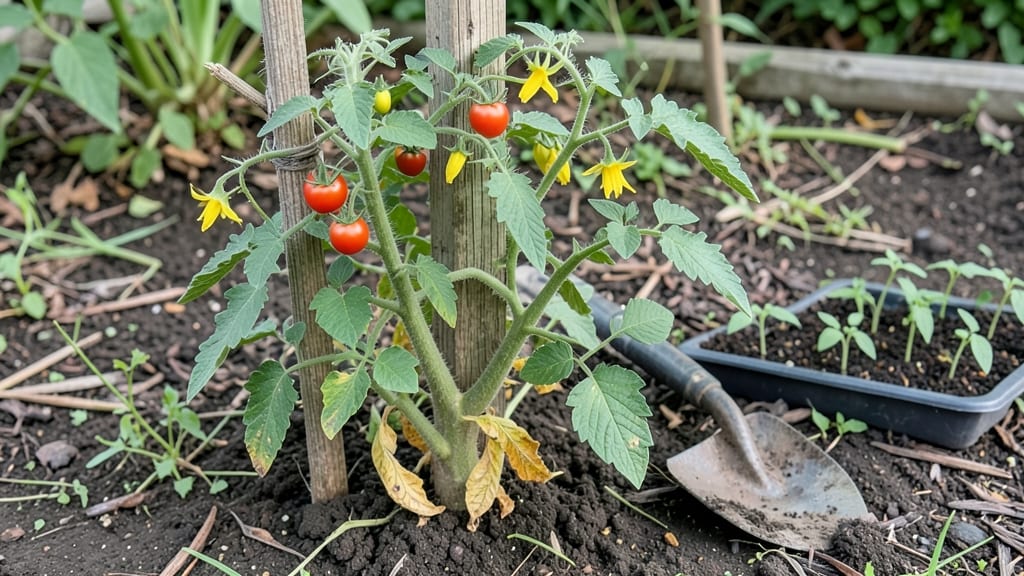
Square foot gardening turns a 4x4-foot patch into a tomato powerhouse where every inch produces fruit. 🌱 I swore off sprawling tomato plants after my first failed attempt in a traditional row—until I tried this method and harvested 20 pounds of tomatoes from just 4 square feet.
The secret isn’t luck; it’s spacing plants 18 inches apart in a grid, which maximizes sunlight and air flow while keeping weeds at bay.
You’ll need a raised bed or framed grid, high-quality potting mix, and sturdy cages or stakes for support. Most people assume tomatoes need acres, but the right variety—like 'Tiny Tim' or 'Patio Princess'—thrives in tight spaces while still delivering flavor.
The payoff? No wasted soil, no fighting for space, and no more giving up on growing tomatoes because of limited yard room.
Within six weeks, you’ll see lush vines climbing their supports, and by midsummer, you’ll be snipping ripe tomatoes for salads, sauces, or sandwiches. The key is consistent watering at the base (never the leaves) and a balanced fertilizer every 3-4 weeks—no fancy equipment, just smart spacing and a little patience.
This method works in containers too, making it perfect for balconies or small patios. Whether you’re a city dweller or just want to reclaim a corner of your yard, square foot gardening turns tomato growing from a gamble into a guaranteed harvest. Let’s get those plants planted!
📚 In This Guide
- What you need
- Instructions
- Tips and common mistakes
- Wrapping up and next steps
What you need
- ● Square foot garden box: 4’ x 4’ (or custom size) with 6–12" deep sides (untreated wood preferred).
- ● Garden grid: 12" x 12" plastic or wooden squares (1 per tomato plant).
- ● High-quality soil: 1 cubic foot of Mel’s Mix or a blend of 1/3 peat moss, 1/3 vermiculite, and 1/3 compost per square.
- ● Tomato plants: 1–4 plants per square (depending on variety: determinate = 1 plant, indeterminate = 1–4 plants).
- ● Compost: Organic matter for mulching and soil enrichment.
- ● Watering can or hose with a gentle nozzle: For deep, even watering (1–1.5 gallons per square daily in hot weather).
- ● Pruning shears: For trimming suckers and shaping plants.
- ○ Stakes or cages: 4–6 ft tall (1 per indeterminate plant; optional for determinate varieties).
- ● Slow-release fertilizer: Balanced 5-10-5 or tomato-specific granules (mix into soil).
- ● Epsom salt: 1 tbsp per square (dissolved in water) for magnesium boost (every 2–3 weeks).
- ● Mulch: Straw or shredded leaves to retain moisture and suppress weeds.
- ● pH test kit: Aim for 6.0–6.8 (tomatoes thrive in slightly acidic soil).
- ● Companion plants: Basil, marigolds, or onions to deter pests and improve flavor.
- ● Garden journal: Track planting dates, watering schedules, and harvests!
Instructions for square foot gardening tomato plants
Here’s how to grow four robust tomato plants in just a single square foot—no wasted space, no fuss.
🪴 Step 1: Prepare the Square Foot Grid
Divide your raised bed into a 12-inch by 12-inch square—this is your tomato zone. Use the wooden grid to create a 4x4 layout (16 squares total), but we’ll only plant in 4 of them (one plant per square). Fill the entire grid with the 2 cubic feet of compost blend—this ensures excellent drainage and nutrient density.
Level the surface with your hands, breaking up any clumps. Press down gently so the soil holds its shape but doesn’t compact too tightly. You’ll see the difference when watering later—soil that’s too packed repels moisture and leaves air pockets that stunt roots.
🌱 Step 2: Plant Tomato Seedlings at the Right Spacing
Dig a hole in the center of each of your 4 chosen squares—just deep enough to bury the seedling’s stem up to its first set of true leaves. This encourages stronger root growth. Gently remove each 4-inch tomato seedling from its pot and place it in the hole, then fill in around the roots with the remaining compost blend.
Space the plants 12 inches apart—this keeps them from competing for sunlight or nutrients. If you’re using cage supports, insert them now, pressing the base firmly into the soil to stabilize the plant. Water lightly right after planting to settle the soil and eliminate air gaps around the roots.
☀️ Step 3: Water and Maintain Consistent Moisture
Water each square deeply once daily for the first 7 days, using the 1-gallon watering can to deliver 1 gallon per square foot. You’ll know you’ve watered enough when the top 2 inches of soil feel damp—not soggy, but not bone-dry either. Overwatering here leads to root rot, while underwatering causes blossom-end rot.
After the first week, reduce to every other day, always in the morning. Mulch each square with ½ inch of straw to retain moisture and suppress weeds. This keeps the soil temperature stable and reduces evaporation, meaning less frequent watering as the plants mature.
✂️ Step 4: Prune and Support for Maximum Yield
When plants reach 18 inches tall, start pruning the suckers—those little shoots that form in the leaf axils. Remove them by pinching them off with your fingers, not cutting. This directs energy to fruit production instead of leaf growth. You’ll see more tomatoes and fewer sprawling vines.
Continue pruning weekly to keep the plant focused on the main stem and branches you want. If your plants exceed the 24-inch height limit of your grid, trim the top growth to encourage bushier, more productive lower branches. Always use the bypass pruners for clean cuts—never tear stems.
🌿 Step 5: Fertilize and Harvest for Continuous Production
After 30 days, apply 1 tablespoon of tomato-specific fertilizer to each plant, working it into the top 2 inches of soil. You’ll notice new growth within 7-10 days—this is your signal that the plant is responding well. Repeat this feeding every 4 weeks until harvest.
Harvest tomatoes when they’re fully colored and slightly soft to the touch. Pick in the morning when the fruit is coolest and most flavorful. You’ll get 6-8 tomatoes per plant this way, and the compact spacing keeps them easy to reach without disturbing neighboring plants.
Tips & tricks for perfect square foot gardening tomato plants
Real talk: Square foot gardening transforms limited space into a high-yield tomato powerhouse. Here’s what nobody tells you—these tricks make all the difference between decent plants and a bumper crop.
Soil Preparation Secret: In Step 1, when filling your grid with 2 cubic feet of compost blend, mix in ½ cup of bone meal (optional) for phosphorus boost—this encourages strong root development right from the start. I learned this the hard way after planting without it; my first batch had slower early growth. The key is breaking up clumps thoroughly—think of it like fluffing a pillow for your tomato roots.
Planting Technique: For Step 2, don’t just drop those 4-inch seedlings in the hole! Gently loosen the roots before planting and create a small mound of compost in the center of each hole. This creates better root contact with nutrient-rich soil. If your seedlings are root-bound, trim the outer roots with your fingers to encourage outward growth—this prevents circling roots that strangle themselves later.
Watering Wisdom: Those first 7 days of daily watering are critical, but timing matters more than you think. Water in the morning so plants have all day to dry out, preventing fungal diseases. Use your finger to check soil moisture—if the top 2 inches feel like a damp sponge (not dripping), you’re golden. I’ve seen blossom-end rot disappear completely after adjusting watering consistency this way.
Pruning Payoff: When you reach Step 4 and start pruning suckers, here’s the thing: don’t be afraid to be aggressive! Remove any sucker that’s larger than your pinky nail—small ones won’t hurt, but big ones steal energy from fruit production. And when trimming tops at 24 inches, cut just above a leaf node (the bump where leaves grow) to encourage branching. I’ve seen plants go from 6 tomatoes to 12 just by being ruthless with pruning.
Pro Tips for Square Foot Gardening Tomato Plants
- Real talk: Square foot gardening transforms limited space into a high-yield tomato powerhouse.
- Soil Preparation Secret: In Step 1, when filling your grid with 2 cubic feet of compost blend, mix in ½ cup of bone meal (optional) for phosphorus boost—this encourages strong root development right from the start.
- Planting Technique: For Step 2, don’t just drop those 4-inch seedlings in the hole!
Frequently asked questions
Got questions about growing tomatoes in a square foot garden?
You’re not alone! Here are answers to the most common ones to help you grow a thriving, space-efficient tomato harvest.
How many tomato plants can I fit in a 1-square-foot space?
For determinate (bush) tomatoes, you can fit 1 plant per square foot—they stay compact. For indeterminate (vining) varieties, use 1 plant per 4-square-foot section (or train them vertically to save space). Overcrowding leads to poor airflow and disease, so follow spacing guidelines!
When is the best time to plant tomatoes in a square foot garden?
Plant after the last frost date when soil is at least 60°F (15°C). Tomatoes are frost-sensitive, so wait until nighttime temps stay above 50°F (10°C). For square foot gardens, start seeds 6-8 weeks indoors or buy sturdy transplants to jumpstart growth.
What are the best tomato varieties for square foot gardening?
Choose compact or dwarf varieties like:
- ‘Tiny Tim’ (cherry, 18" tall)
- ‘Patio Princess’ (bush, 3' tall)
- ‘Balcony Red’ (determinate, 2' tall)
- ‘Micro Tom’ (miniature, 12" tall)
Why are my square foot garden tomatoes turning yellow or wilting?
Yellow leaves often signal overwatering, underwatering, or nutrient issues. Check the soil—it should stay moist but not soggy. Wilting can mean root stress (too hot/cold) or blight. Prune lower leaves for airflow, and avoid wetting foliage when watering. If spots appear, remove affected leaves and consider neem oil for fungal prevention.
Can I grow tomatoes in a square foot garden without cages or stakes?
Indeterminate tomatoes need support—they’ll flop and rot without it! Use bamboo stakes, tomato cages, or trellises to save space. For square foot gardens, floppy fishbone stakes (DIY or store-bought) work great. Bush tomatoes may not need support, but a small cage can still help keep them upright and productive.
Wrapping up and next steps
Square foot gardening transforms small spaces into thriving tomato havens—proving that big harvests don’t need big plots! 🌱 By mastering companion plants, spacing, and care, you’ll enjoy juicy, homegrown tomatoes without the fuss. Whether you’re a beginner or a seasoned gardener, this method makes growing easier and more rewarding.
Ready to dive in? Start by sketching your 1’x1’ grid, pick your tomato varieties, and plant with confidence! Your first bountiful harvest is just a few seeds away—let’s grow together! 🍅✨