
Tools
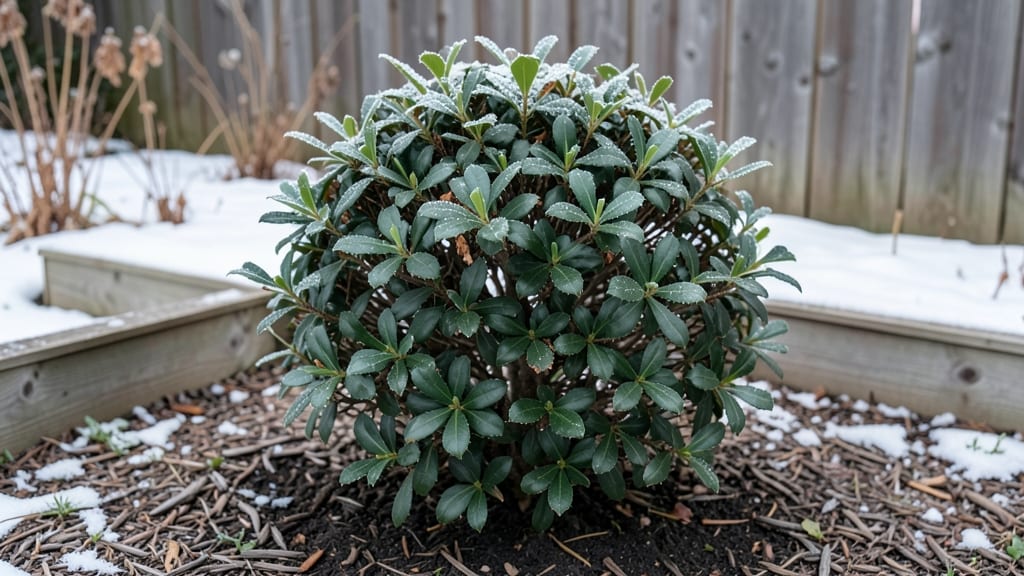
A thriving raised garden winter isn’t about surrender—it’s about growing smarter with cold-hardy crops and protective layers. 🌱 I’ve learned that with the right prep, your beds can keep producing long after most gardens go dormant.
The secret lies in choosing plants that love the chill and shielding them from harsh winds and deep freezes.
Start with crops like kale, spinach, and carrots, which actually taste sweeter after a frost.
Add a thick layer of straw or leaves for insulation, and drape row covers when temperatures drop below 20°F. My winter beds stay productive because I treat them like a greenhouse—keeping roots warm while letting light in. You'll be harvesting fresh greens in December if you do it right.
By late winter, you'll notice new growth pushing through the mulch, proof that your garden is still working hard. The soil stays loose and fertile, ready for spring planting with minimal prep. This method cuts my spring work in half while keeping the harvests coming year-round.
Works in zones 3 through 7 with minor adjustments—just swap crops for your region's hardiness. The key is starting now before the first frost hits. Let's get those beds winter-ready before the cold sets in for good.
📚 In This Guide
- What you need
- Instructions
- Tips and common mistakes
- Wrapping up and next steps
What you need
- ● Raised garden bed frame – Ensure it’s sturdy (wood, metal, or composite) with a minimum height of 12 inches for winter insulation.
- ● Cold-resistant soil mix – 6-8 cubic feet per bed (amend with compost, aged manure, and organic matter for drainage).
- ● Hardy crop seeds/transplants – Choose winter-friendly varieties like kale, spinach, carrots, or garlic (check your USDA zone).
- ● Garden fabric or row covers – Frost cloth (30-50g weight) to shield plants from harsh winds and light frosts.
- ● Mulch (straw, leaves, or wood chips) – 4-6 inches thick to insulate soil and retain moisture.
- ○ Drip irrigation or soaker hoses – Optional but helpful for consistent watering under protective covers.
- ● Garden stakes or trellises – For vining crops like peas or winter lettuce (if applicable).
- ● Pruners & gloves – For trimming dead foliage and handling sharp mulch.
- ● Mini greenhouse or cold frame – Extends the growing season for delicate greens.
- ● Thermal mass materials – Bricks or stones buried in soil to absorb daytime heat.
- ● Soil thermometer – Monitors temperature to adjust mulching or covering.
- ● Compost bin – For recycling winter crop debris into next season’s soil.
How to extend your raised garden through winter
Winter gardening isn't just possible—it's rewarding. Here's how to keep your raised beds productive when frost is on the menu.
🌱 Step 1: Choose the Right Cold-Hardy Crops
Pick varieties that thrive in 30-40°F temperatures like kale, spinach, carrots, and hardy greens. These crops actually sweeten when exposed to light frost, making them perfect for winter harvests. I always check seed packets for "cold-tolerant" labels—this tells you exactly which plants will survive (and even prefer) winter conditions.
For extra protection, select dwarf or compact varieties. These grow closer to the ground where soil retains more heat, and their smaller size makes them easier to cover with row fabric or cloches when needed. Think of them as the winter athletes of the garden—built for endurance.
☀️ Step 2: Optimize Sunlight and Positioning
Winter sunlight is weaker, so position your raised beds in the sunniest spot possible, even if it means moving them. South-facing beds get the most light during winter months, and even a few extra hours of sun makes a huge difference in plant health. If your garden is shaded, focus on the most cold-tolerant crops like spinach and winter lettuce.
I like to add reflective surfaces like white plastic sheeting or even old CDs around the bed edges. This bounces extra light onto the plants, giving them a little boost when days are short. You'll notice leaves staying greener longer and fewer signs of stretching toward light.
💧 Step 3: Adjust Watering for Winter Conditions
Water less frequently in winter—soil stays moist longer when temperatures drop. I check moisture by sticking my finger 1 inch deep into the soil. If it feels dry, that's your cue to water. Overwatering in cold weather leads to root rot, which is the last thing you want when plants are already struggling.
Use drip irrigation or soaker hoses to deliver water directly to the soil. This prevents freezing on plant surfaces and keeps foliage dry, which reduces the risk of fungal diseases. Water in the late afternoon so any moisture on leaves has time to evaporate before nightfall.
🪴 Step 4: Protect Plants from Frost and Wind
Cover crops with frost cloth or row covers when temperatures drop below 25°F. These lightweight fabrics trap heat and create a microclimate that keeps plants warm enough to survive. Secure the edges with bricks or soil to prevent wind from blowing the cover away—nothing ruins a winter harvest faster than a lifted cloth.
For extra insulation, add a layer of straw mulch around the base of plants. This keeps soil temperatures stable and prevents heaving (when soil freezes and expands, pushing plants out of the ground). A 2-inch layer is plenty—any thicker and it might smother young plants.
✂️ Step 5: Harvest and Maintain Through the Season
Harvest regularly to encourage new growth. Cold-hardy crops like kale and carrots keep producing as long as you pick them before they bolt. Use sharp scissors or a knife to cut leaves or pull roots, leaving the plant undamaged for future harvests. You'll see faster regrowth if you harvest in the morning when plants are crisp and full of moisture.
Remove any diseased or dead foliage immediately to prevent problems from spreading. Winter slugs and pests are less active, but they're still around. I like to spread diatomaceous earth around the base of plants as a natural deterrent—it's harmless to plants but deadly to soft-bodied pests.
Tips & tricks for perfect winter raised garden success
Winter gardening can be tricky, but these practical tips will help you extend your harvest season without stress.
Cold-Tolerance Check: When selecting seeds, look for varieties labeled "cold-hardy" or "winter-hardy" that can handle 30-40°F temperatures. I've found that 'Winterbor' kale and 'Ruby Streaks' winter lettuce are my go-to choices—they not only survive but actually taste sweeter after light frost. Always check seed packets for specific temperature ranges, as this tells you exactly what to expect from each variety.
Sunlight Strategy: Winter sunlight is weaker, so maximize what you have by positioning your raised beds in the sunniest spot possible. If your garden is shaded, focus on the most cold-tolerant crops like spinach and winter lettuce, which can thrive with less light. For an extra boost, place reflective surfaces like white plastic sheeting or even old CDs around the bed edges to bounce more light onto your plants. You'll notice leaves staying greener longer and fewer signs of stretching toward light.
Watering Wisdom: The key to winter watering is less frequent but deeper. Soil stays moist longer in cold weather, so check moisture by sticking your finger 1 inch deep into the soil. If it feels dry, that's your cue to water. Use drip irrigation or soaker hoses to deliver water directly to the soil, which prevents freezing on plant surfaces and keeps foliage dry. Always water in the late afternoon so any moisture on leaves has time to evaporate before nightfall.
Frost Protection: When temperatures drop below 25°F, cover crops with frost cloth or row covers to create a microclimate that keeps plants warm enough to survive. Secure the edges with bricks or soil to prevent wind from blowing the cover away. For extra insulation, add a 2-inch layer of straw mulch around the base of plants. This keeps soil temperatures stable and prevents heaving, which is when soil freezes and expands, pushing plants out of the ground.
Pro Tips for Raised Garden Winter
- Winter gardening can be tricky, but these practical tips will help you extend your harvest season without stress.
- Cold-Tolerance Check: When selecting seeds, look for varieties labeled "cold-hardy" or "winter-hardy" that can handle 30-40°F temperatures.
- Sunlight Strategy: Winter sunlight is weaker, so maximize what you have by positioning your raised beds in the sunniest spot possible.
Frequently asked questions
Got questions about keeping your raised garden productive through winter? You’re not alone! Here are some of the most common concerns—and expert answers to help you grow cold-hardy crops like a pro.
Can I still grow vegetables in a raised bed during winter?
With the right cold-hardy crops (like kale, spinach, or carrots) and protective measures (row covers, mulch, or cold frames), your raised garden can stay productive even in chilly months. Just adjust planting times and expect slower growth in freezing temps.
When is the best time to plant winter crops in a raised bed?
Start 6–8 weeks before the first frost for cool-season crops (e.g., broccoli, peas). For true winter harvests, plant after the ground freezes (e.g., hardy greens like Swiss chard). Check your USDA hardiness zone for precise timing—colder zones may need earlier starts!
Do I need special materials to winterize my raised garden?
Not necessarily! Basic supplies like straw mulch (4–6 inches), floating row covers, or even old blankets can shield plants. For extra warmth, consider a low tunnel or cold frame. Just avoid plastic directly on soil—it can trap moisture and rot roots.
How do I protect my raised garden from pests in winter?
Cold weather slows pests, but voles, rabbits, and deer may still raid your beds. Use hardware cloth around edges, plant repellent herbs (like mint or rosemary), or create a physical barrier with burlap. Avoid chemical sprays—they can harm soil microbes.
What if my raised bed freezes solid—can I still save my plants?
Don’t panic! Many winter crops (like garlic or overwintered onions) survive light freezes. For tender plants, pile mulch high (6+ inches) to insulate roots. If the ground thaws, water gently to prevent soil heaving. Pro tip: Harvest before hard freezes—even hardy greens won’t recover if frozen solid.
Wrapping up and next steps
Winter doesn’t have to mean the end of your raised garden’s productivity!
With the right cold-hardy crops and a little planning, you can keep harvesting fresh, homegrown goodness even when temperatures drop. 🌱 Whether you’re extending your growing season or experimenting with new varieties, your raised garden can remain a vibrant hub of life—no matter the season.
Ready to take the next step? Start by testing soil conditions in your raised bed and selecting a few hardy crops to plant this fall. Don’t forget to share your winter harvests with fellow gardeners—inspiration spreads like frost on glass! 🌿