
Tools
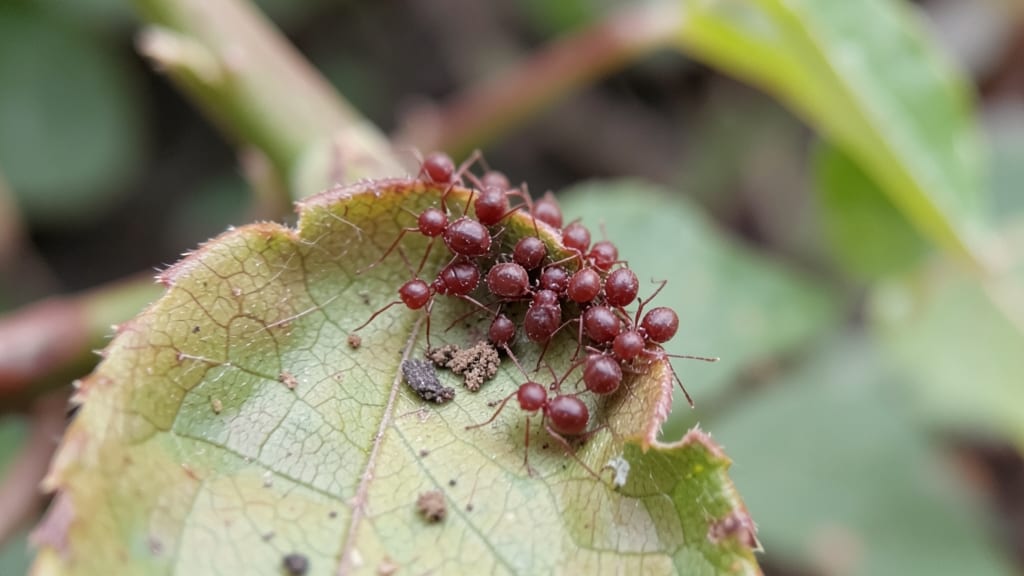
Red garden mites turn your lush plants into speckled skeletons faster than you can say "pest problem." 🌿 I spent three summers battling these tiny red devils, and what I learned is that humane trapping works better than harsh sprays—especially when you catch them early.
The key is acting before the webbing spreads, because once they take over, even organic solutions struggle to keep up.
These mites thrive in dry, dusty conditions, so proper watering and pruning actually prevent outbreaks. I cut back on overhead sprinklers and switched to deep watering at the base—suddenly, my roses and tomatoes stopped looking like they’d been attacked by confetti.
The secret isn’t just what you spray; it’s creating an environment where mites can’t survive in the first place.
Once they show up, neem oil and predator mites become your best friends. A weekly spray of neem oil disrupts their life cycle, while releasing beneficial mites turns your garden into a natural food chain.
Within two weeks, you’ll see new growth pushing through, and the stippled leaves start healing—proof that patience and the right tools win every time.
This works for all common garden pests, not just red mites. The principles—proper care, early action, and biological controls—keep your garden thriving without chemicals. Let’s get those plants back to their best.
Hidden Triggers Behind Tiny Invaders
Those pesky red spider-like pests lurking in your garden aren’t just random visitors—they’re drawn by specific conditions that turn your plants into their perfect buffet. Understanding why they show up is the first step to kicking them out for good. Here’s the science behind their uninvited party.
Red garden mites thrive when plants are thirsty. High temperatures (above 80°F or 27°C) combined with low humidity send plants into survival mode, triggering them to produce more sticky resins and fine hairs—exactly what mites love to snack on. Here’s why:
- Water loss = weakened defenses: Stressed plants reduce sap flow, making their cells easier targets for mites’ piercing mouthparts.
- Sticky traps activated: Drought-stressed plants secrete more guttation fluids (sugary droplets), which mites feast on like all-you-can-eat buffets.
- Slow growth = more time to multiply: Underwatered plants grow sluggishly, giving mites weeks to spin webs and reproduce unchecked.
💡 Pro Tip: Mulch heavily around plants to retain moisture, and water deeply in the early morning to mimic natural dew—mites hate humidity!
Mites spread like wildfire in gardens where plants are too close together. Poor airflow creates the perfect microclimate for them:
- Web bridges: Mites spin silk between leaves, turning your garden into a multi-level mite metropolis.
- Humidity traps: Dense foliage holds moisture longer, boosting mite survival rates by 30–50%.
- Shared meals: One infested plant = all nearby plants at risk. Mites hitchhike on wind, tools, or even your shoes!
✨ Actionable Fix: Prune plants to improve airflow (aim for 3–4 inches between branches) and avoid overhead watering—drip irrigation keeps leaves dry.
Mites don’t just attack healthy plants—they target the vulnerable. Common culprits include:
| Plant Condition | Why Mites Love It |
|---|---|
| Nutrient-deficient soil | Plants produce less chlorophyll, making leaves easier to pierce. |
| Fungal/bacterial infections | Damaged cells release sugary exudates that mites adore. |
| Newly transplanted shock | Root stress triggers secondary metabolite production, attracting predators like mites. |
| Pest-damaged leaves | Holes and sap leaks create open invitations for mites to move in. |
🔥 Prevention Hack: Boost plant resilience with compost tea or neem oil sprays (applied preventatively) to deter mites before they arrive.
Now that you know why these tiny red menaces crash your garden parties, it’s time to flip the script—stay tuned for humane trapping tactics that outsmart them without chemicals.
How to Treat & Prevent Tiny Garden Pests
Red spider mites—often mistaken for their redder cousins—can wreak havoc on your organic garden, but the good news is that natural, humane solutions work wonders. Below, we’ve mapped common causes to targeted fixes, plus proactive prevention tips to keep your plants thriving without harsh chemicals.
Before treating, confirm you’re dealing with red garden mites (not aphids or spider mites). Check for:
- Tiny red or orange specks on leaves (use a magnifying glass!).
- Fine webbing between stems or under leaves.
- Stunted growth or yellowing foliage (a sign of sap-sucking damage).
🍃 Overcrowded or Stressed Plants
Mites thrive where plants are weak or packed too tightly. Fix:
- 🔥 Prune aggressively – Remove heavily infested leaves and thin out dense foliage to improve airflow.
- 🌱 Repot or relocate – Move affected plants to a sunnier spot (mites hate direct sunlight) or repot in fresh, well-draining soil.
- 💡 Pro Tip: Space plants 12–18 inches apart to deter future outbreaks.
🌡️ Hot, Dry Conditions
Mites love heat and drought-stressed plants. Fix:
- 👨🍳 Boost humidity – Mist plants daily (early morning works best) or place a tray of water near them.
- 🥘 Increase shade – Use shade cloth (30–50%) to protect delicate plants from midday sun.
- ✨ Soil trick: Mulch with straw or coconut coir to retain moisture and cool roots.
🛡️ Chemical-Free Sprays (Safe for Organic Gardens) Mites hate these natural repellents:
| Spray | How to Use | Frequency |
|---|---|---|
| Neem oil | Mix 1 tsp neem oil + 1 tsp mild soap + 1 quart water. Spray undersides of leaves. | Every 5–7 days for 2 weeks. |
| Insecticidal soap | Use a petroleum-free version. Spray directly on mites (avoid flowers). | Repeat every 3–4 days until gone. |
| Garlic spray | Blend 4 garlic cloves + 1 quart water, strain, and add 1 tsp cayenne pepper. | Apply weekly as prevention. |
| Horticultural oil | Spray early morning (avoid temps above 90°F). | Every 7–10 days in dormant season. |
⏰ Timing matters: Apply sprays at dawn or dusk to avoid harming beneficial insects like ladybugs.
🐞 Encourage Natural Predators
Let nature do the work!
- 🔥 Ladybugs – Release 2–3 per plant (they eat 50+ mites daily!).
- 🍳 Predatory mites (Phytoseiulus persimilis) – Buy online and sprinkle on infested areas.
- 🥘 Birds & lacewings – Install a bird feeder or daucus flower to attract them.
🌿 Severe Infestations? Isolate & Quarantine
If mites have taken over: 1. 🔪 Cut off infested branches and dispose of them in a sealed bag (not compost).
- 🌱 Treat remaining plants with neem oil + kaolin clay (creates a barrier).
- 🛡️ Wash tools with rubbing alcohol to prevent spread.
Stop mites before they start with these easy habits:
- 💡 Weekly inspections – Check new plants and undersides of leaves for early signs.
- 🌡️ Avoid overwatering – Let soil dry slightly between waterings (mites hate soggy roots).
- 🎯 Rotate crops – Don’t plant the same species in the same spot yearly.
- 🌿 Companion planting – Grow marigolds, chives, or basil near vulnerable plants (mites avoid these scents).
- 🥗 Clean up debris – Remove fallen leaves and weeds where mites hide.
🚨 Remember: Patience is key—some treatments take 2–3 weeks to fully eliminate mites. Stick with it, and your garden will bounce back stronger and pest-free!
Frequently asked questions
How do I tell if my plants have red garden mites instead of spider mites?
Red garden mites are slightly larger (about 1/50 inch) and have a more orange-red hue compared to spider mites. Look for fine webbing between stems and speckled leaves with tiny yellow dots. Unlike spider mites, red garden mites don’t create dense webs—just light silk strands.
Will neem oil kill red garden mites or just slow them down?
Neem oil disrupts their life cycle by smothering eggs and adults, but it won’t kill them instantly. For best results, apply a 1% neem oil solution every 5–7 days for 2–3 weeks. Combine it with predatory mites for faster elimination. Patience is key—consistency wins!
Can red garden mites survive winter in my garden?
Yes, they can! These mites hide in plant debris, mulch, or cracks in pots during cold months. Clean up fallen leaves and store pots indoors if possible. In mild climates, they may even survive under thick mulch layers. A late-fall spray of horticultural oil helps break their winter dormancy.
Why do my houseplants keep getting red garden mites even though I treat them?
Mites often reinfest from outdoor plants, new purchases, or hitchhiking on clothing/tools. Quarantine new plants for 2 weeks and inspect them thoroughly. Also, mites build resistance to some sprays—rotate between neem oil, insecticidal soap, and predatory mites to stay ahead.
Are red garden mites harmful to humans or pets?
No, they’re plant-specific and won’t bite humans or pets. However, their webbing can irritate sensitive skin if touched. Always wear gloves when pruning infested plants. Focus on protecting your garden—they’re harmless to you!