
Landscaping
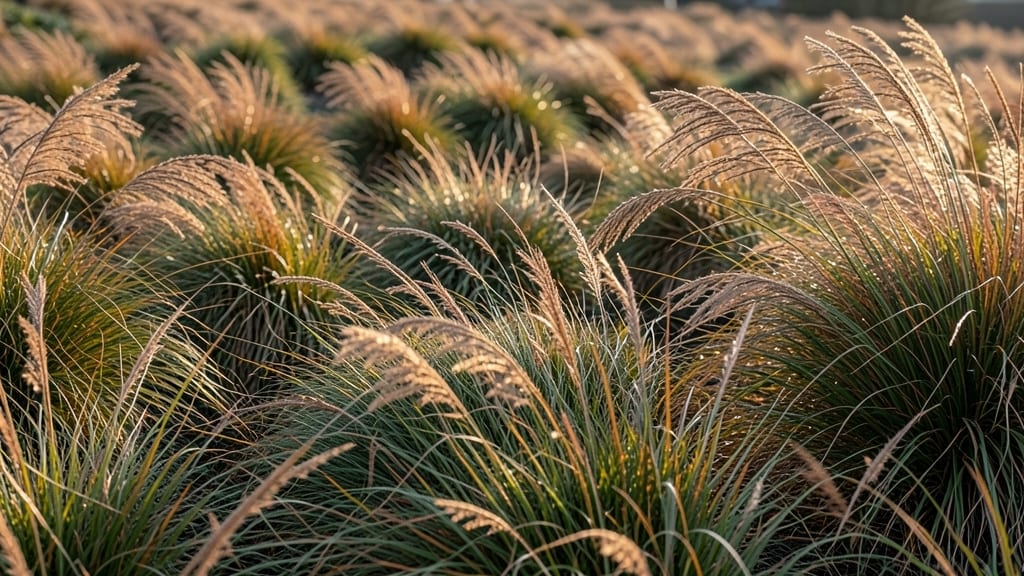
Transform your garden into a living masterpiece with these 10 resurrection garden ideas. These drought-tolerant, seasonal-changing plants bring color and life even when most gardens sleep, perfect for low-maintenance beauty.
Hens-and-Chicks Succulent Varieties
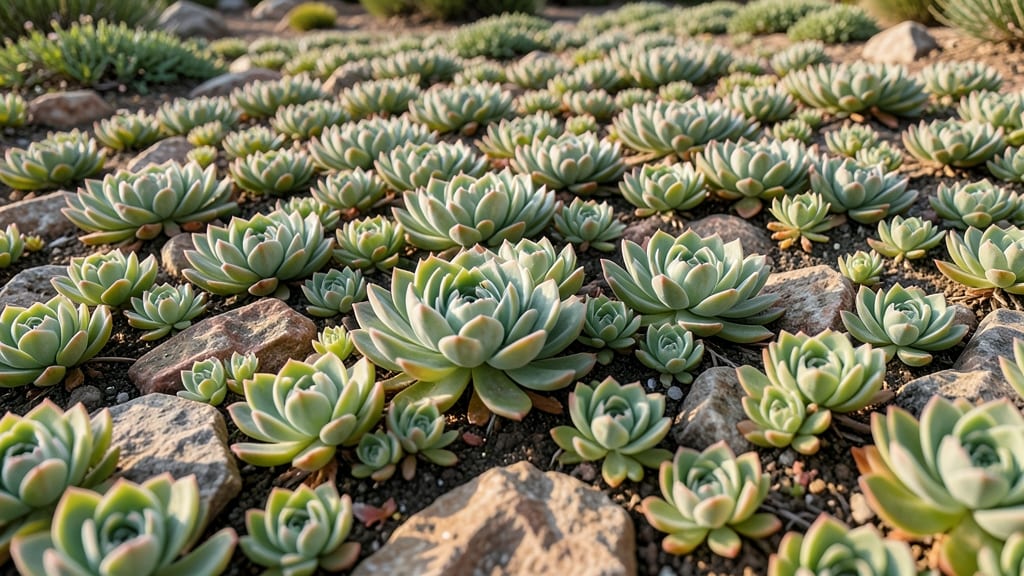
Looking for a zero-effort plant that spreads like wildfire (in the best way)? Hens-and-chicks succulents are the answer—these low-growing wonders form tight rosettes that multiply into clusters, creating lush ground cover with almost no work from you.
They thrive in rocky, well-draining soils and only need sun to partial shade, making them perfect for rock gardens, containers, or even cracks in pavement. Varieties like Sempervivum tectorum (common hens-and-chicks) or Echeveria add year-round texture, with some even blooming in late spring. Just water sparingly—they store moisture in their leaves!
Best for beginners, urban gardeners, or anyone tired of high-maintenance plants, these succulents are the ultimate "plant and forget" solution. 🌱
Dormant Hellebores for Winter Blooms
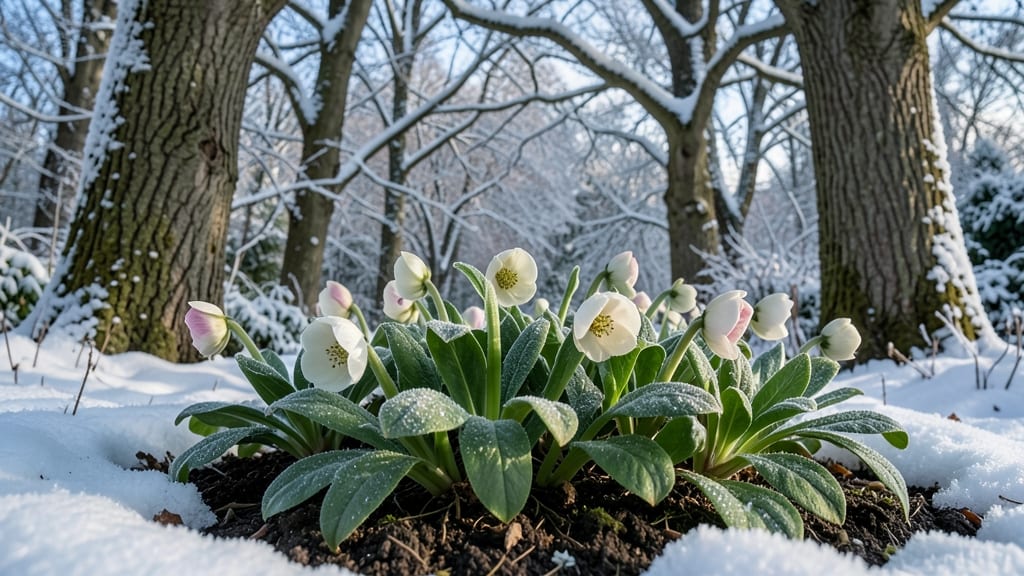
When most gardens are tucked under a blanket of snow, dormant hellebores defy winter’s chill by bursting into bloom—often as early as December. These shade-loving perennials, nicknamed "Christmas roses," thrive where sunlight is scarce, making them ideal for understory planting or woodland gardens.
Plant them in moist, well-draining soil with partial to full shade, and they’ll reward you with nodding blooms in white, pink, or deep purple. Unlike spring ephemerals, hellebores flower before leaves emerge, creating a stunning contrast against bare branches. Their evergreen foliage also adds texture year-round, making them a low-maintenance star.
Perfect for gardeners who crave winter interest without extra work, hellebores are especially prized for their long bloom season and deer resistance. Add them to borders, containers, or as focal points under trees for a touch of magic when the world is still gray. ✨
Color-Changing Japanese Maple Leaves
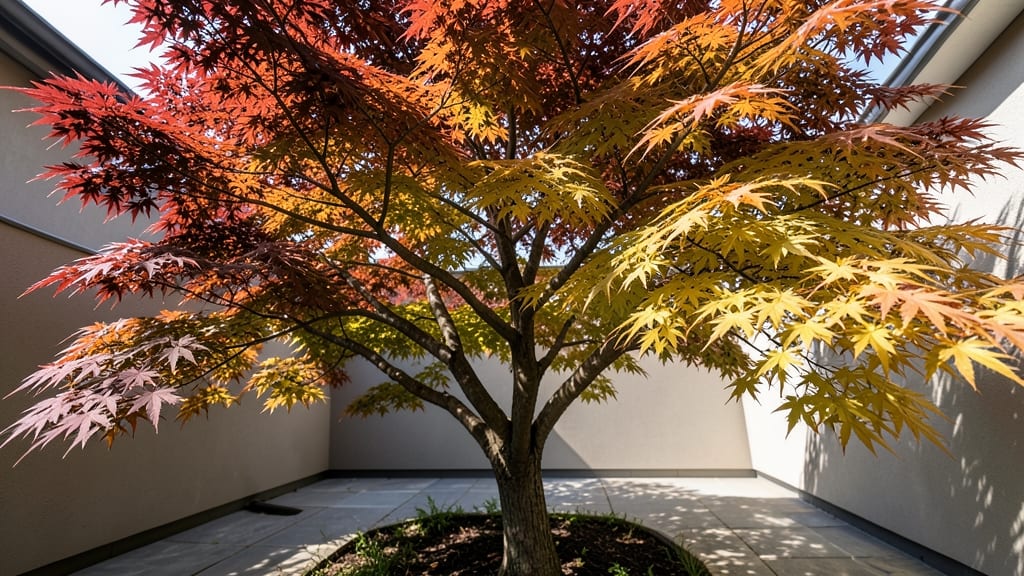
If you crave year-round drama in a space no bigger than a patio, a Japanese maple delivers a seasonal show without the fuss. Unlike annuals that fade or perennials that repeat the same look, this tree’s leaves morph from deep burgundy in spring to flaming orange in autumn, then golden yellow before winter’s chill. It’s nature’s mood ring for your garden.
These small-stature trees thrive in partial shade (3-6 hours of sun daily) and tolerate urban pollution, making them perfect for courtyards or balconies. Varieties like Acer palmatum ‘Bloodgood’ or Acer japonicum ‘Aureum’ offer compact growth (6-10 feet tall), so they won’t overwhelm tiny spaces. Prune in late winter to shape branches and encourage vibrant foliage—just avoid heavy cuts, as they bleed sap.
Urban gardeners and small-space enthusiasts will love how this tree replaces seasonal swaps with a single, ever-changing focal point. Plus, its delicate lace-like branches add texture year-round, even when leaves are bare. 🌟
Desert Marigold for Arid Climates
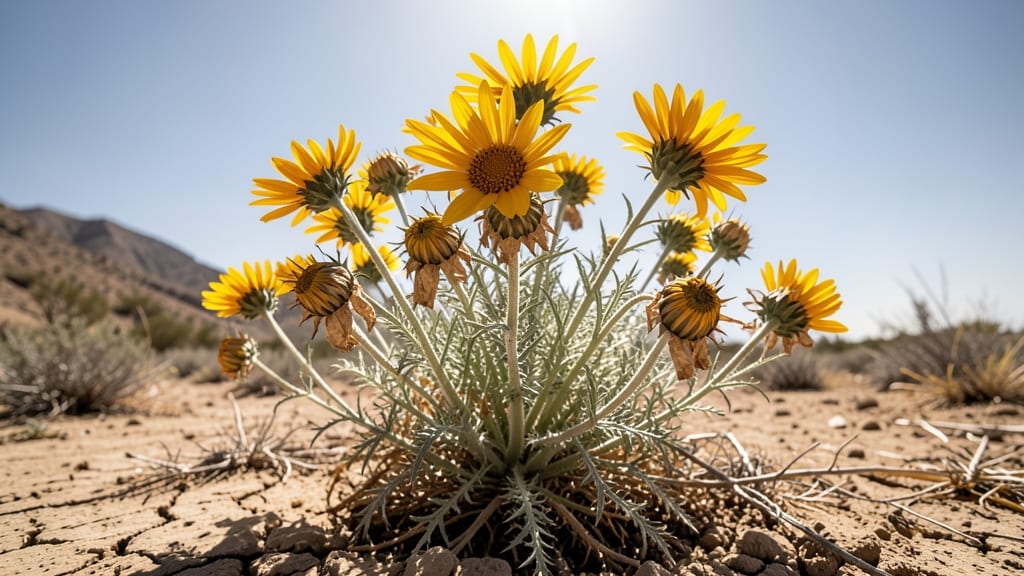
If you live in a hot, dry climate and want a plant that refuses to quit, the desert marigold (Baileya multiradiata) is your golden ticket. This native desert beauty thrives on neglect, producing cheerful sunflower-like blooms that transition seamlessly into textured seed pods—keeping your garden visually dynamic even after the flowers fade.
Plant it in full sun with well-draining soil, and water it sparingly—once established, it survives on rainwater alone. The drought-tolerant blooms attract pollinators like bees and butterflies, while its silvery foliage adds texture to xeriscaped landscapes. Deadhead spent blooms to encourage more flowers, or leave them for seed pods that add winter interest.
Perfect for low-water gardens, rockeries, or as a border plant, the desert marigold proves that arid climates can still be vibrant. It’s a year-round workhorse that requires almost no effort but delivers big rewards. 🌻
Winter-Dormant Camellias with Spring Reblooms
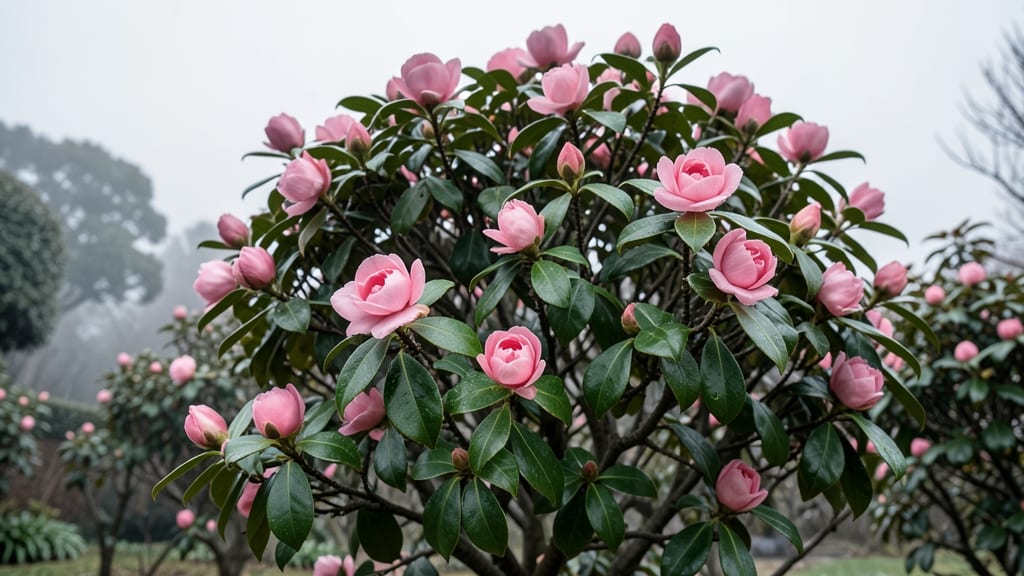
When winter’s chill makes other gardens fade to gray, winter-dormant camellias burst into life with rosy blooms that defy the season. These evergreen shrubs thrive in coastal climates or containers, offering glossy foliage and dramatic flowers from late winter through spring—making them the perfect "resurrection" plant for your garden.
Choose varieties like Camellia sasanqua for early blooms (October–December) or Camellia japonica for showstopping spring displays. Plant in partial shade (3–6 hours of sun) with acidic, well-draining soil—they hate soggy roots! Prune after flowering to maintain shape, and fertilize lightly in spring for reblooming vigor. Their fragrant blooms attract pollinators, while their dense growth provides year-round privacy.
Coastal gardeners and urban dwellers with limited space will love how camellias deliver drama without sprawling. Whether as a container specimen or hedgerow, they’re the ultimate low-maintenance showstopper for winter-weary landscapes. 🌷
Seasonal Witch Hazel for Late Fall Color
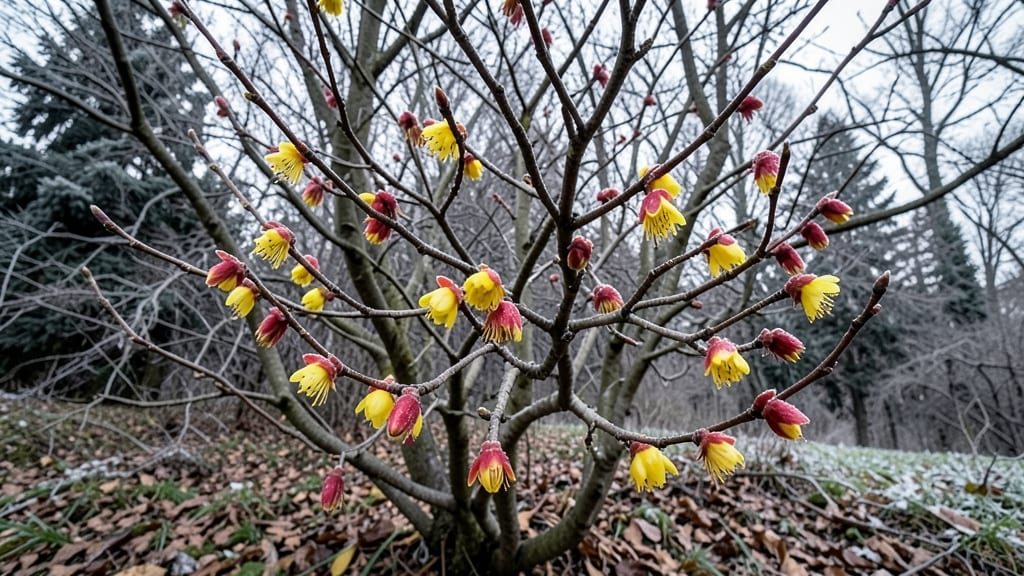
When your garden looks like a winter monochrome palette, witch hazel steps in as nature’s dramatic artist, painting bold strokes of yellow or fiery red across bare branches. Unlike most plants that sleep through winter, this deciduous shrub blooms from late fall through early spring, offering fragrant, spidery flowers that dance in the cold air—like a secret party for pollinators when everything else is quiet.
Plant Hamamelis virginiana (the common witch hazel) or its showier cousin, Hamamelis mollis, in full sun to partial shade with well-draining soil. Prune in early spring to shape the shrub and encourage dense growth, but avoid cutting back old wood—those gnarled branches are where the magic happens. The flowers may look delicate, but they’re tough enough to withstand light frost, making them a reliable choice for winter interest.
Perfect for woodland gardens, container plantings, or as a focal point near patios, witch hazel brings unexpected joy to winter landscapes. Its late-season blooms also provide nectar for bees and butterflies, proving that winter isn’t just a season of dormancy—it’s a time for quiet beauty to shine. 🌷
Drought-Tolerant Lavender with Evergreen Foliage
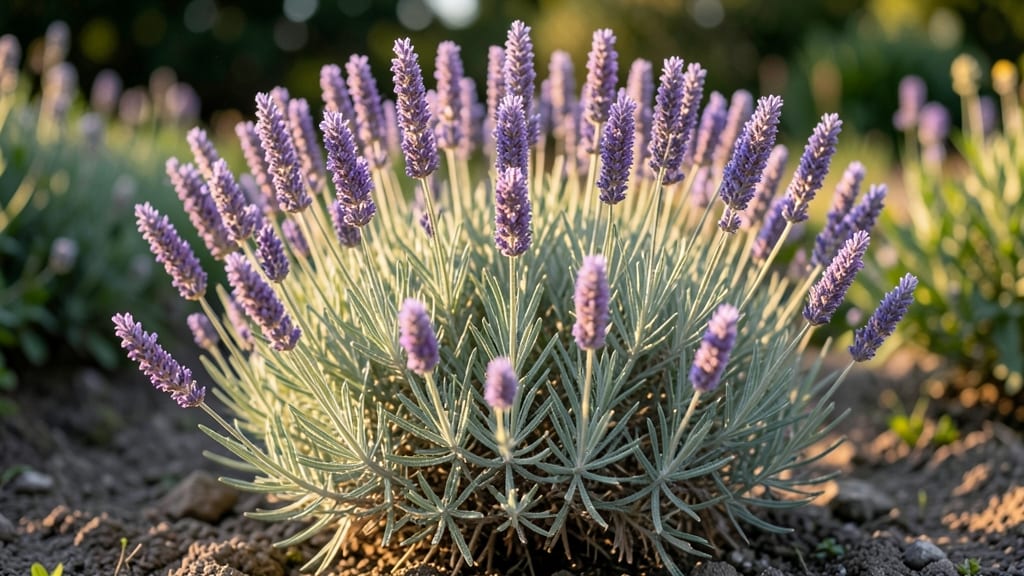
Want a plant that thrives on neglect but still delivers fragrance, color, and pollinator power? Drought-tolerant lavender with evergreen foliage is your answer—its purple spikes fade into silvery-green stems that stay lush year-round, even in dry spells.
Plant it in full sun with well-draining soil, and water only when the top inch is dry. Once established, lavender survives on rainwater alone while attracting bees and butterflies. Prune after blooming to maintain shape, and enjoy its aromatic foliage for sachets or culinary uses.
Perfect for Mediterranean-style gardens, rockeries, or containers, this low-maintenance beauty adds texture and scent without the fuss. It’s the ultimate "plant once, enjoy forever" solution. 🌿
Resurrection Fern for Humid Climates
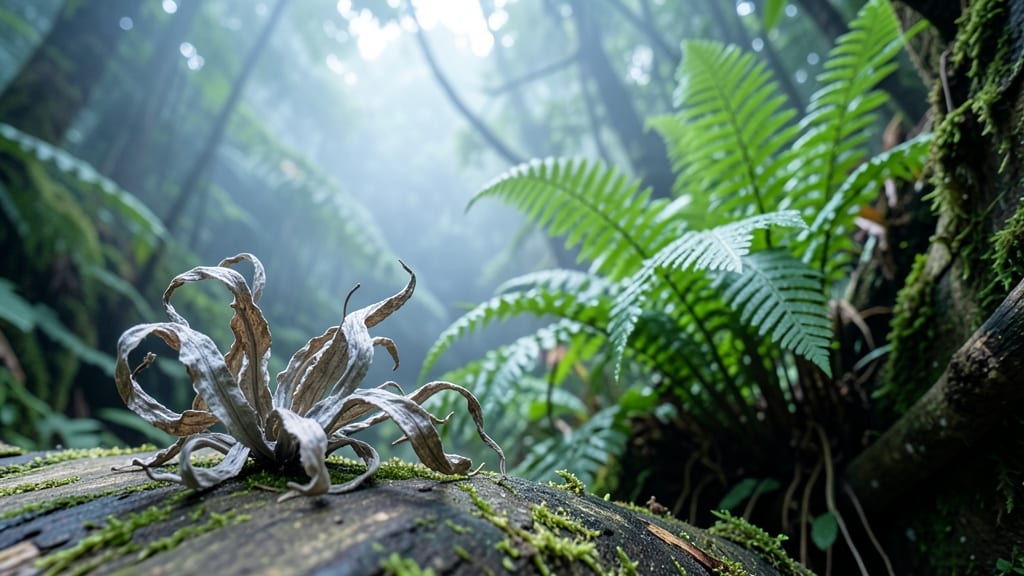
Imagine a plant that appears dead during dry spells but springs back to life with just a sip of water—resurrection fern does exactly that. This epiphytic fern thrives in humid, shaded environments, making it perfect for tropical or subtropical climates where moisture lingers in the air.
Plant it on tree trunks, in hanging baskets, or mounted on rocks where it can access humidity naturally. When dry, its fronds curl and turn brown, but within hours of misting or rain, they unfurl into vibrant green again. This drought-tolerant yet moisture-loving fern adds texture and drama to shaded gardens, terrariums, or even indoor plant displays.
Ideal for gardeners who love low-maintenance plants with a wow factor, resurrection fern turns ordinary spaces into living art—especially in containers or vertical gardens where its unique lifecycle becomes a conversation starter. 🌿
Snowdrops for Early Spring Blooms
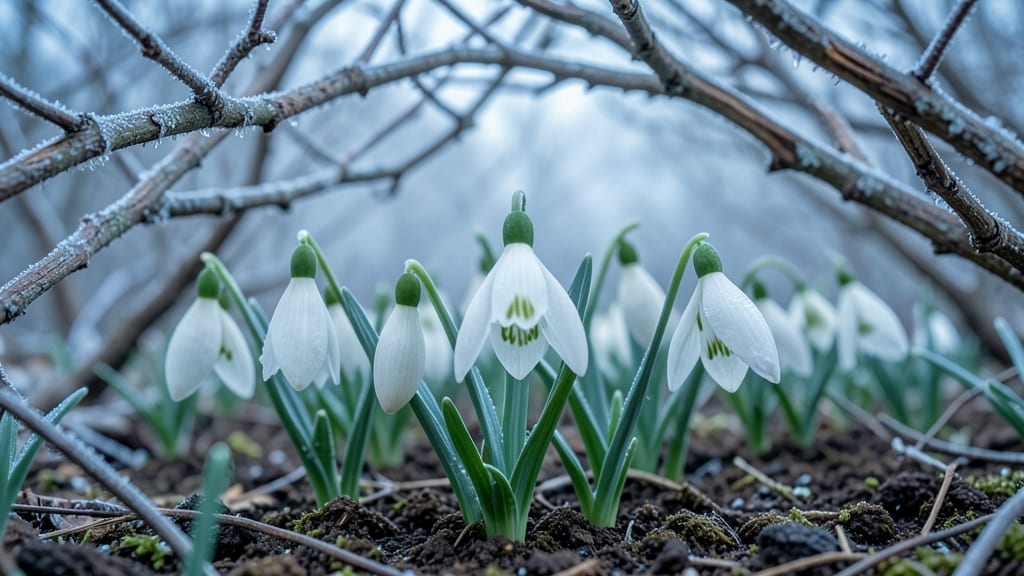
When winter’s grip finally loosens and the ground still feels cold, snowdrops (Galanthus) burst through like tiny messengers of hope. These delicate, bell-shaped blooms are nature’s way of announcing that spring is on its way—often appearing in late January or February, sometimes even under snow.
Perfect for woodland gardens, understory planting, or shaded borders, snowdrops thrive in moist, well-draining soil with partial to full shade. Their slender, dark green leaves emerge first, followed by clusters of white (or occasionally green-striped) flowers that nod gracefully in the breeze. Unlike many spring ephemerals, they multiply easily, creating naturalized drifts over time—ideal for low-maintenance gardeners who love a touch of early magic.
Woodland gardeners and those with shady spots will adore how snowdrops add fresh color when little else is blooming. Pair them with hellebores or ferns for a dreamy understory effect, or scatter them along pathways for a whimsical surprise. 🌷
Ornamental Grasses with Year-Round Texture

Tired of static garden beds that look dull in winter? Ornamental grasses like fountain grass (Pennisetum) or maiden grass (Miscanthus) bring dynamic movement and seasonal color shifts—transforming from emerald green to fiery gold or deep bronze—without requiring a single bloom. Their airy plumes sway in the breeze, adding rhythm to modern or Zen-inspired spaces where simplicity meets elegance.
These grasses thrive in full sun to partial shade and adapt to almost any soil, making them ideal for borders, containers, or even as standalone focal points. Varieties like ‘Karl Foerster’ feather reed grass stay upright year-round, while ‘Little Spoon’ fountain grass adds a playful, compact touch. Cut back old growth in late winter to encourage fresh, vibrant foliage—just leave some seed heads for winter interest.
Perfect for gardeners who love low-maintenance plants with high visual impact, ornamental grasses create structure and texture that outlasts seasonal flowers. They’re especially transformative in resurrection gardens, where their ever-changing hues symbolize renewal and resilience. 🌻