
Size
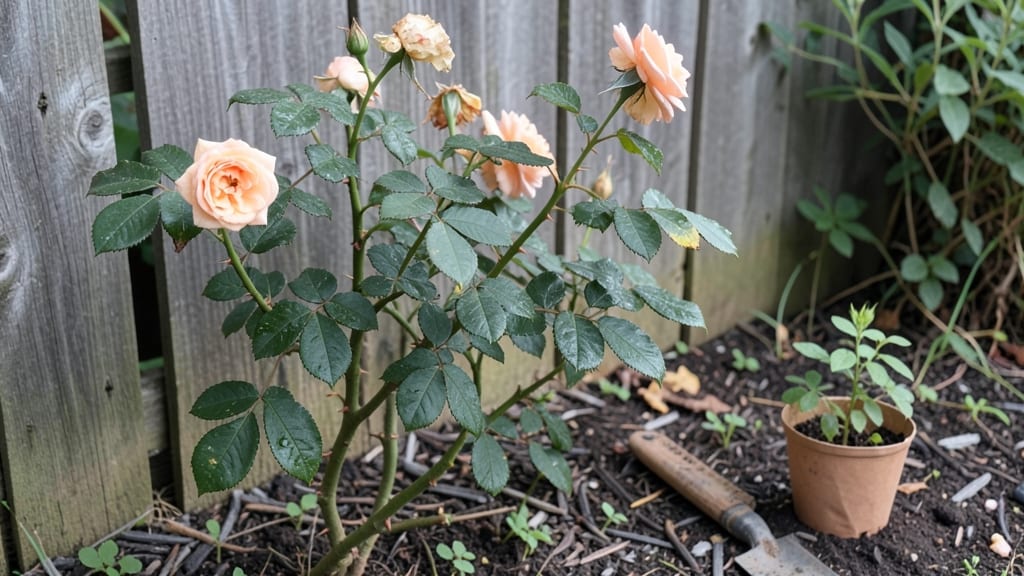
Transform your garden into a fragrant paradise by mastering how to grow a garden from rose seed—those tiny packets hold the secret to roses that outshine nursery plants. 🌱 I cracked the code after years of watching store-bought roses underperform—these homegrown beauties bloom earlier, last longer, and resist disease better than anything I ever bought.
The secret starts with the right seeds—hybrid teas need patience (they take 2-3 years to flower), but heirlooms like 'Old Blush' often bloom in their first season.
You'll need a heat mat for germination, a sunny windowsill or grow light, and a mix of 50% perlite to keep those delicate roots from rotting. Most beginners overwater here, so I'll show you the "finger test" that saves seedlings.
By summer, you'll be pinching back leggy stems to encourage bushier growth, and by next spring, those first buds will appear—often months earlier than store-bought roses. The payoff? Roses that keep blooming until frost, with fragrance so strong your neighbors will ask where you got them.
Here's how to make it happen without losing hope along the way.
Works for containers, raised beds, or in-ground planting—just adjust spacing. The key is consistency: same watering schedule, same sunlight, and a little extra care during the critical first 60 days. Let's get those seeds started right!
📚 In This Guide
- What you need
- Instructions
- Tips and common mistakes
- Wrapping up and next steps
What you need
- ● Rose seeds: Choose heirloom or hybrid tea seeds (1–5 seeds per packet, depending on variety). Note: Some hybrid roses may not grow true to seed.
- ● Seed-starting mix: A lightweight, sterile potting soil (1–2 gallons, depending on tray size). Avoid garden soil—it’s too dense!
- ● Seed trays or small pots: 4–6 inch containers (or a seed-starting tray with cells). Ensure they have drainage holes!
- ● Clear plastic domes or plastic wrap: For humidity (1–2 sheets or a small cloche).
- ● Spray bottle: With room-temperature water for gentle misting.
- ● Grow lights or sunny windowsill: A south-facing window or LED grow light (12–16 hours/day).
- ● Fertilizer: A balanced, water-soluble fertilizer (5-10-5 or 10-10-10, diluted to half-strength).
- ● Heat mat: Keeps soil warm (70–80°F) for faster germination.
- ● Seedling labels: To track varieties (especially if growing multiple types).
- ● Hydrogen peroxide (3%) or cinnamon: For sterilizing seeds and preventing mold.
- ● Transplanting tools: Small trowel or butter knife for delicate seedlings.
- ● Compost or worm castings: Boosts soil fertility after seedlings sprout.
How to grow roses from seed: a season-long journey
Here's how to coax those delicate blooms from stubborn seeds—it takes patience, but the results are worth every day.
🌱 Step 1: Stratify Seeds for Maximum Germination
Rose seeds need a cold period to break dormancy, so I start by mixing them with a damp peat moss in a sealed plastic bag. Place the bag in the refrigerator for 8-12 weeks—this mimics winter conditions and triggers germination. Check weekly to ensure the moss stays moist but not soggy.
After the cold treatment, remove the seeds and plant them ¼ inch deep in a small pot filled with sterile seed-starting mix. Cover the pot with plastic wrap to retain humidity, and place it in a warm spot (70-75°F) away from direct light. Germination can take 3-6 weeks, so don’t give up if nothing happens right away.
☀️ Step 2: Provide Gentle Light and Warmth
Once the first true leaves appear, remove the plastic wrap and move the seedlings to a bright, indirect light source. I use a grow light on a 14-hour daily cycle to prevent leggy growth. Keep the soil consistently moist but never waterlogged—overwatering is the fastest way to lose young seedlings.
Watch for signs of stretching (long, thin stems with sparse leaves). If this happens, your light source is too far away. Adjust it so the seedlings receive 12-16 hours of light daily. Strong seedlings will have thick stems and dark green leaves—this is your cue that they’re thriving.
🪴 Step 3: Transplant and Harden Off Before Outdoor Planting
When seedlings reach 3-4 inches tall and have developed 3-4 sets of true leaves, it’s time to transplant them into individual 4-inch pots filled with a well-draining potting mix. Handle the seedlings gently to avoid damaging the roots—this is a critical step for their survival.
Begin hardening off by placing the pots outside in a sheltered spot for 1-2 hours daily, gradually increasing exposure over 2 weeks. This prepares them for the garden by letting them adjust to wind, sun, and temperature fluctuations. Once they tolerate a full day outside without wilting, they’re ready for their permanent home.
✂️ Step 4: Plant and Support for Strong Growth
Choose a sunny location with 6+ hours of direct sun daily and dig a hole twice as wide as the root ball but no deeper. Amend the soil with compost to improve drainage and fertility. Plant the rose seedling at the same depth it was growing in the pot—burying too deep can suffocate the stem.
Stake the young plant immediately to provide support as it grows. Water deeply at planting to settle the soil and encourage root establishment. Mulch around the base with 2-3 inches of organic mulch to retain moisture and suppress weeds. Prune back any leggy or damaged stems to encourage bushier growth.
🌿 Step 5: Maintain and Prune for Year-Round Blooms
Keep the soil consistently moist but not waterlogged, especially during the first growing season. Roses need 1-2 inches of water weekly, depending on rainfall. Fertilize lightly every 4-6 weeks with a balanced rose fertilizer to promote healthy foliage and blooms.
Prune your roses in early spring to remove dead or weak growth, and again after the first flush of blooms to encourage continuous flowering. Deadhead spent blooms regularly to redirect the plant’s energy into producing more flowers. With proper care, your seed-grown roses will reward you with stunning blooms for years to come.
Tips & tricks for perfect rose seed germination
Growing roses from seed is a rewarding challenge—here's how to maximize your success at every stage of this season-long journey.
The Cold Treatment Secret: Those 8-12 weeks in the refrigerator might seem long, but this cold stratification is absolutely essential for breaking rose seed dormancy. I've learned the hard way that skipping this step often results in seeds that either never sprout or produce weak seedlings. Keep a small notebook next to your seed bag to track moisture levels—damp (not soggy) peat moss is key. If you forget to check weekly, set a reminder on your phone.
Lighting Strategy: During Step 2, when you're providing 12-16 hours of light daily, position your grow light just 2-3 inches above the seedlings. Too high and they'll stretch toward the light; too low and they'll burn. I use a simple LED grow bulb that costs under $20, and it's made all the difference. Watch for those first true leaves—they're your signal to remove the plastic wrap and transition to brighter light.
Transplanting Wisdom: When handling those delicate 3-4 inch seedlings in Step 3, use a small spoon or butter knife to lift them from the pot rather than grabbing the stems. Rose seedlings have fragile root systems, and damage at this stage can set them back for weeks. After transplanting, give the pots a gentle shake to help settle the roots into their new soil.
Hardening Off Hack: During the 2-week hardening process, I gradually increase exposure time by 30 minutes each day rather than doubling the time. This slow adaptation helps prevent shock when you finally move them to full sun. On cloudy days, you can extend their outdoor time without risking sunburn—nature's built-in buffer for beginners.
Pro Tips for Rose Seed Grow A Garden
- Growing roses from seed is a rewarding challenge—here's how to maximize your success at every stage of this season-long journey.
- The Cold Treatment Secret: Those 8-12 weeks in the refrigerator might seem long, but this cold stratification is absolutely essential for breaking rose seed dormancy.
- Lighting Strategy: During Step 2, when you're providing 12-16 hours of light daily, position your grow light just 2-3 inches above the seedlings.
Frequently asked questions
Got questions about growing roses from seed? You’re not alone!
Here are some of the most common queries—and their answers—to help you turn those tiny packets into a flourishing garden.
How long does it take for rose seeds to germinate?
Germination can take anywhere from 2 weeks to 6 months, depending on the variety and conditions. Some seeds need cold stratification (a winter-like chill) to break dormancy. Patience is key—keep the soil moist and warm (around 70°F) for best results.
Can I plant rose seeds directly in the ground, or do I need to start indoors?
Direct sowing is possible in warm climates, but most gardeners start seeds indoors 6-8 weeks before the last frost for better control. Use seed trays with well-draining soil and a humidity dome to protect tender seedlings. Once sprouted, transplant outdoors after hardening off.
Why aren’t my rose seeds sprouting? Troubleshooting tips?
Seeds may fail to sprout due to old seeds, improper stratification, or poor soil conditions. Try these fixes:
- Check seed viability: Soak seeds in warm water overnight—if they sink, they’re likely viable.
- Adjust moisture: Overwatering can cause rot; keep soil damp but not soggy.
- Try scarification: Lightly sand the seed coat to help water penetrate.
- Patience: Some heirloom roses take months to germinate!
What’s the easiest rose variety to grow from seed for beginners?
Start with hybrid teas or David Austin English roses—they’re more forgiving than delicate varieties. For fast results, try Rosa chinensis (e.g., ‘Old Blush’), which often germinates quickly and produces vibrant blooms. Avoid hybrid teas if you’re new; they’re trickier!
Can I grow roses from seed in containers or small spaces?
Use 5-gallon pots or window boxes with well-draining potting mix. Dwarf rose varieties like ‘Fairy’ or ‘Patio’ thrive in containers. Just ensure they get at least 6 hours of sunlight daily and prune regularly to encourage bushier growth.
What’s the best time of year to plant rose seeds?
For most climates, indoor sowing in early spring (Feb–March) is ideal, followed by outdoor transplanting after frost. In warm zones, you can direct-sow in fall or early winter to take advantage of natural stratification. Always check your local frost dates!
Are rose seeds expensive? Where can I find affordable options?
Seeds are budget-friendly—a packet costs $2–$5 and yields dozens of plants! Check:
- Online seed banks (e.g., Baker Creek Heirloom Seeds)
- Local nurseries or garden swaps
- Etsy for rare heirloom varieties
Wrapping up and next steps
Growing roses from seed is a rewarding journey that transforms tiny packets into stunning, year-round blooms—proving that patience and care yield the most beautiful results. 🌸 Whether you're a beginner or a seasoned gardener, this method is a cost-effective and fulfilling way to cultivate your dream garden.
Now that you’re armed with the right materials, techniques, and troubleshooting tips, it’s time to roll up your sleeves and start planting!
🌱 Your Next Step: Start Small, Dream Big!
Begin with just one packet of seeds—watch them sprout, nurture them, and celebrate every new leaf and bud. Once you’ve mastered the basics, expand your garden with different rose varieties or even experiment with cuttings for faster growth. The garden of your dreams starts with a single seed! 🌿