Pests
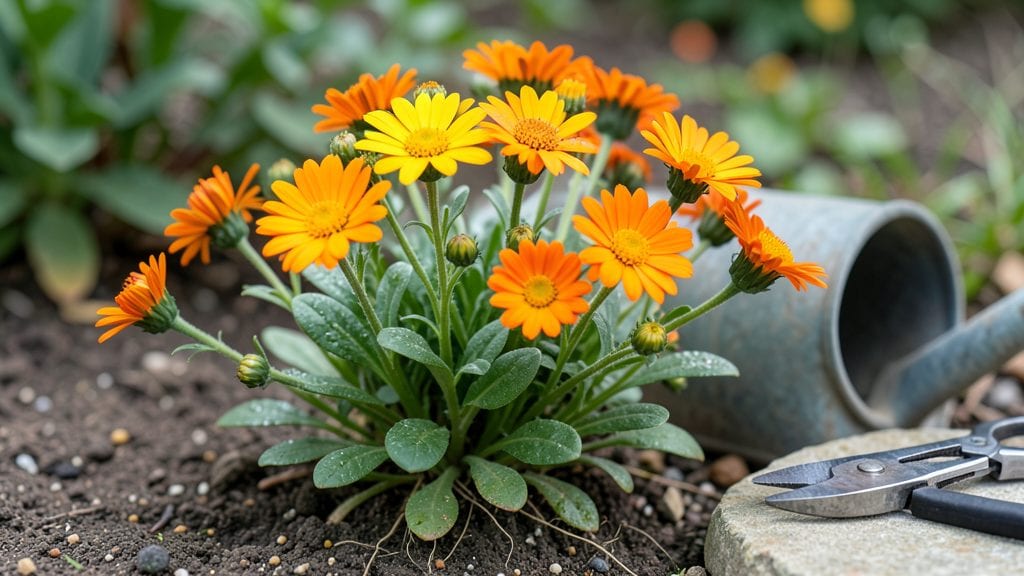
My slug prevention garden starts with copper tape and crushed eggshells—two simple tricks that cut my slimy visitors in half overnight. 🌱 The key isn’t just one method but layering defenses so slugs never get comfortable in your space.
I’ve tested everything from beer traps to diatomaceous earth, and these are the ones that actually work without harming your plants or the earthworms you actually want.
You don’t need fancy tools or expensive sprays—just a few household items and a little strategy. Copper tape around containers creates an invisible electric barrier that slugs avoid, while crushed eggshells add sharp edges they can’t cross.
For larger areas, I’ve found that planting garlic and chives around vulnerable spots acts as a natural deterrent, and the bonus is they’re useful in the kitchen too.
By combining these barriers, you’ll see fewer slime trails on your lettuce and no more overnight raids on your hostas. The best part? These methods work in vegetable patches, flower beds, and even container gardens without chemicals.
Once you set up the right defenses, you’ll wonder why you ever struggled with slugs in the first place.
Works for any garden size, from small pots to sprawling backyard plots. Let’s make slugs a thing of the past—naturally.
The Hidden Triggers Behind Slugs
Slugs may seem like harmless garden guests, but they can turn your lush plants into a buffet—leaving behind ragged edges and slimy trails. Understanding why these pests invade your garden is the first step to stopping them.
Below, we break down the science-backed reasons slugs show up uninvited, so you can address the root causes with precision.
Slugs are 90% water by weight, which means they thrive in environments where humidity is high. Their soft, permeable bodies lose moisture quickly in dry air, so they actively seek out dampness to survive. Here’s why moisture attracts them:
- Rain or Overwatering: Heavy rainfall or excessive irrigation creates the perfect breeding ground. Slugs lay eggs in moist soil, and their hatchlings emerge ready to feast within days. Pro tip: 💡 If your garden stays soggy for more than 24 hours after watering, you’re signaling slugs to move in.
- Morning Dew: Slugs are nocturnal and become active at night when temperatures drop. Dew forms overnight, providing a temporary water source and a slippery path for them to travel undetected.
- Poor Drainage: Compacted or clay-heavy soil holds water like a sponge. Slugs exploit these areas, especially near mulch piles or low-lying spots where water pools.
Actionable fix: Improve soil drainage with organic matter (like compost or sand) and water deeply but infrequently to avoid creating slug magnets.
Slugs are opportunistic feeders, and decaying plant material is their favorite snack. When leaves, wood, or compost pile up, they become a hidden haven for slugs—and their eggs. Here’s why organic debris is a red flag:
- Compost Piles: Warm, damp compost is a slug’s dream. They’ll burrow into it to lay eggs and feast on partially decomposed veggies or greens. Fun fact: 🔥 A single slug can lay up to 500 eggs in its lifetime!
- Leaf Litter & Mulch: Thick layers of fallen leaves or mulch create microclimates that stay moist and shaded—ideal for slug activity. They’ll hide beneath these layers during the day and emerge at night.
- Fallen Fruits & Veggies: Overripe produce on the ground (like tomatoes or berries) not only attracts slugs but also ferments, releasing odors that lure them in from yards away.
Actionable fix: 🌡️ Keep compost piles hot (above 140°F) to deter slugs, and remove fallen fruits/veggies promptly. Use straw mulch instead of wood chips—it’s less appealing to slugs.
Slugs are nocturnal, meaning they’re most active under the cover of darkness. Their behavior isn’t just random—it’s a survival strategy tied to predator avoidance and moisture conservation. Here’s the science:
- Dry Daytime Conditions: During the day, slugs retreat to hideouts (like under boards or dense foliage) to prevent desiccation. Their bodies can lose 10% of their weight in just a few hours if exposed to dry air.
- Predator Evasion: Birds, frogs, and beetles hunt slugs during daylight. By night, slugs feel safer to venture out, especially when the air is humid.
- Temperature & Light Sensitivity: Slugs prefer temperatures between 50–77°F (10–25°C). Cool evenings with high humidity (like after rain) trigger their feeding frenzy.
Actionable fix: 🎯 Set up glowing barriers (like solar-powered stake lights) around plants to disorient slugs at night. Alternatively, handpick them after rain using a flashlight—slugs are slow and easy to spot!
Not all plants are equal when it comes to slug attraction. Soft, tender, or high-moisture plants are like neon signs to slugs. Here’s why certain crops become slug superhighways:
| Slug-Loved Plants | Why They’re Targeted |
|---|---|
| Lettuce, Spinach, Kale | Thin leaves are easy to chew, and the high water content is irresistible. |
| Hostas, Calendula, Dahlias | Soft stems and broad leaves provide both food and shelter. |
| Strawberries, Tomatoes, Peppers | Fruits touching the soil attract slugs for a quick snack before they ripen. |
| Newly Planted Seedlings | Young, delicate shoots are a protein-rich meal for slugs. |
Actionable fix: 💪 Plant slug-resistant varieties (like rugosa roses or portulaca) as barriers. Elevate vulnerable plants with cups or containers to keep them off the ground.
Now that you know the why behind slug invasions, you’re equipped to tackle the how. The next step? Discover natural barriers that slugs can’t resist—and your garden will thank you!
Natural Ways to Stop Slugs Fast
Slugs are sneaky pests, but with the right strategies, you can reclaim your garden without harsh chemicals. Below are targeted solutions based on the most common causes of slug infestations—plus prevention tips to keep them away for good.
If your garden stays soggy after rain or watering, slugs will thrive. Drainage and drying are key.
How to Fix:
- 🌱 Raise Beds or Use Containers – Elevate plants in raised beds or pots to reduce moisture buildup.
- 💧 Water in the Morning – Wet soil dries faster during the day, discouraging slugs.
- 🔥 Add Sand or Gravel – Mix coarse sand or gravel into soil to improve drainage.
💡 Prevention Tip: Use mulch sparingly—thick layers trap moisture. Opt for straw or pine needles instead of wood chips.
Slugs squeeze through tiny gaps. Seal them off with simple, slug-proof materials.
How to Fix:
- 👨🍳 Copper Tape or Wire – Wrap around pots and garden edges; slugs get a mild electric shock and retreat.
- 🥘 Crushed Eggshells or Diatomaceous Earth – Sprinkle around plants (reapply after rain).
- 🔪 Sharp Edges – Use broken terracotta pots, bark, or even plastic bottle rings to create impassable borders.
✨ Pro Tip: Coffee grounds (used, not fresh) also deter slugs—just scatter them near vulnerable plants.
If slugs are already in your garden, catch and relocate them instead of killing them.
How to Fix:
- 🍺 Beer Traps – Bury a shallow dish filled with beer at soil level. Slugs crawl in and drown (then dispose of them far from your garden).
- 🌙 Nighttime Hunting – Use a flashlight after dark to spot and drop slugs in soapy water (humane but effective).
- 🕷️ Encourage Predators – Attract birds, frogs, and ground beetles with diverse plantings and a small water source.
🎯 Long-Term Fix: Remove hiding spots—clear debris, boards, and thick mulch where slugs nest.
Not all plants are slug magnets. Swap vulnerable greens for tougher alternatives.
How to Fix:
| Avoid These (Slug Favorites) | Try These Instead |
|---|---|
| Lettuce, Cabbage, Hostas | Rosemary, Lavender, Marigolds |
| Impatiens, Dahlias | Snapdragons, Geraniums, Alyssum |
| Calendula, Basil | Thyme, Oregano, Sage |
💡 Prevention Tip: Interplant slug-loving crops with strong-scented herbs (like mint or garlic) to confuse them.
The best slug prevention is a healthy, balanced garden that slugs don’t want to invade.
How to Fix:
- ⏰ Rotate Plantings – Avoid planting the same slug magnets year after year.
- 🌱 Improve Soil Health – Healthy soil = strong plants that slugs ignore. Add compost and mycorrhizal fungi.
- 🌿 Add Slug-Repelling Plants – Garlic, chives, and alliums naturally deter slugs with their scent.
✨ Final Tip: Check for slugs after rain—that’s when they’re most active. A quick 10-minute patrol can save your garden!
By combining physical barriers, smart plant choices, and moisture control, you’ll create a slug-proof haven—without chemicals. 🚫🐌 Your garden will thank you!
Frequently asked questions
What’s the most effective slug deterrent for potted plants?
Copper tape wrapped around the pot’s rim creates an invisible electric barrier that slugs avoid. For extra protection, sprinkle crushed eggshells or diatomaceous earth around the base—just reapply after rain. This combo works instantly on containers of all sizes.
Will coffee grounds really keep slugs away?
Yes, but only used coffee grounds! Fresh grounds can harm soil pH. Sprinkle a thin layer around vulnerable plants—slugs dislike the strong scent and gritty texture. Reapply every few days or after rain for best results.
How do I stop slugs from attacking my strawberries?
Use strawberry jars (upside-down plastic containers with the bottom cut out) to create protective barriers. Add a ring of garlic or chives around plants, as their scent repels slugs. Check for eggs in soil after rain and remove them by hand.
Are beer traps humane for slug control?
Beer traps aren’t cruel—they’re a humane way to remove slugs. Bury a shallow dish filled with beer at soil level; slugs crawl in and drown. Just dispose of them far from your garden to prevent re-entry. For large infestations, combine traps with copper barriers for better results.
Can slugs survive in dry climates?
Slugs need moisture to survive—they’re 90% water! In dry climates, they’ll seek out shaded, damp areas like mulch piles or under boards. To prevent them, water plants deeply but infrequently, and avoid thick mulch layers that trap moisture. Healthy soil with good drainage makes your garden less appealing to them.