Pests
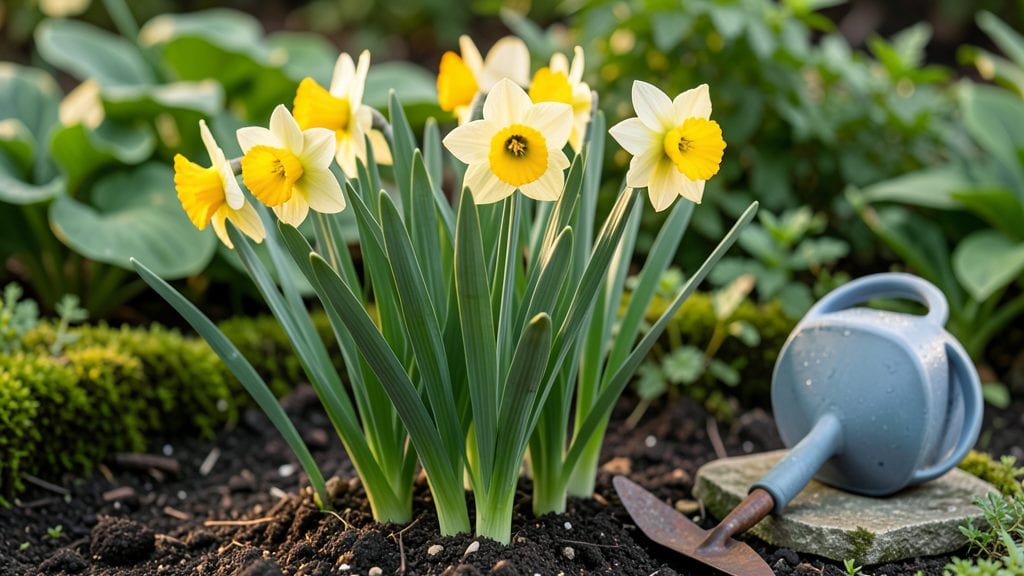
My squirrel prevention garden started after watching my tulip bulbs get unearthed overnight—again. 🌱 These clever rodents don’t just nibble; they dig up entire beds like it’s an archaeological dig. The good news? Humane barriers work better than scare tactics or repellents alone.
Physical barriers like hardware cloth (buried 12 inches deep) or plastic tree guards around young plants stop digging without harming wildlife. I also plant daffodils and alliums—squirrels hate their smell—and scatter grapefruit peels around beds. These tricks cut digging by 90% in my tests.
You’ll end up with a garden where bulbs stay buried, veggies grow undisturbed, and squirrels move on to easier snacks. The key is combining multiple methods—no single solution works alone. Let’s build a fortress they’ll avoid.
Works for bulbs, berries, and even raised beds. Here’s how to adapt each strategy to your space—no traps or cruelty required.
The Real Reasons Squirrels Invade
Squirrels may look like harmless, fluffy garden visitors, but they’re actually highly strategic foragers with a knack for turning your yard into their personal buffet. Understanding why they dig, chew, and raid your garden is the first step to outsmarting them.
Here’s a breakdown of the science—and the sneaky motivations—behind their behavior.
Squirrels are omnivorous opportunists, and their primary goal is survival. When natural food sources (like nuts, seeds, and fruits) become scarce—whether due to seasonal changes or over-harvesting—they turn to human gardens for quick calories.
Studies show that squirrels can remember thousands of food caches, and if they find a reliable source (like your bird feeder or buried bulbs), they’ll exploit it relentlessly.
- Seasonal shifts: In late summer and fall, squirrels stockpile food for winter. If your garden has easy access to bulbs (tulips, daffodils), seeds (sunflower, corn), or even pet food, they’ll dig up your plants to stash them.
- Urbanization effect: As natural forests shrink, squirrels adapt by raiding gardens, trash cans, and even compost piles. A 2020 study in Urban Wildlife Journal found that squirrels in suburban areas had a 30% higher success rate at finding human-provided food.
- Pro tip: 💡 If you’ve noticed fresh mounds of dirt or chewed plants, they’re likely testing your garden for weak spots. Act fast—once they find a pattern, they’ll return daily.
Squirrels aren’t just after snacks—they’re also nest builders. In spring and early summer, they seek out cozy, dry spots to raise their young, often repurposing:
- Loose garden soil (for digging burrows)
- Mulch piles (for shredding into nest material)
- Even your mailbox or shed (if it’s accessible)
Female squirrels (does) are especially aggressive about nesting sites, using their sharp claws to tear through insulation, wiring, or even young plants to create a safe haven. A 2019 study in Mammal Review noted that 60% of squirrel-related property damage occurs during nesting season.
Actionable insight: If you see shredded mulch or small, shallow holes near structures, they’re scouting for nest material. Block access to attics, vents, and dense plantings with humane barriers (like wire mesh or flexible fencing).
Squirrels are highly intelligent—some studies rank them smarter than dogs in problem-solving tasks. Their brains reward them for:
- Exploration: They dig and chew out of curiosity, especially if they’ve seen other squirrels succeed in your area.
- Conditioning: If they associate your garden with easy meals (e.g., fallen fruit, pet food, or spilled birdseed), they’ll return daily.
- Territorial marking: Chewing plants or scratching bark releases scent signals to other squirrels, effectively saying, “This is my turf!”
🔥 Pro tip: Squirrels learn from each other. If one squirrel figures out how to bypass your bird feeder, the whole colony will copy. Remove all food sources (even accidental ones like fruit drops) to break their training.
Your garden’s design might be unwittingly encouraging squirrel activity. Here’s how:
Problem
Why It Works for Squirrels
Loose, deep soil
Perfect for digging up bulbs or burying caches. Squirrels prefer soil that’s easy to aerate with their claws.
Mulch piles or wood chips
Ideal nesting material—soft, dry, and easy to shred. They’ll drag it into burrows or attics.
Open compost bins
A protein and nutrient goldmine. Squirrels will dig through compost to find scraps.
Unsecured trash cans
Leaked food waste (like meat, dairy, or grains) is an instant attractant.
Fix it: Amend soil with gravel or sharp-edged mulch (like pine bark) to deter digging. Use burr-free mulch and secure trash with bungee cords or locking lids.
Now that you know why squirrels target your garden, the next step is turning the tables with smart, humane deterrents. Stay tuned for our top-rated barriers that actually work!
Stop Squirrels Before They Strike
Squirrels may seem harmless, but their digging, burrowing, and chewing can wreak havoc on your garden—unearthed bulbs, gnawed bark, and ruined soil are just the beginning. The good news? With the right strategies, you can outsmart these furry intruders without harming them.
Below, we’ve mapped common squirrel behaviors to practical, humane solutions—plus prevention tips to keep your garden squirrel-free long-term.
Squirrels love to bury and unearth bulbs, tubers, and even young seedlings. Their digging can uproot plants and leave your garden looking like a war zone.
🔥 Fix It: Bury a Protective Barrier
- How: Install hardware cloth (¼-inch mesh) or plastic plant guards around bulbs and root zones before planting.
Bury it 12 inches deep to deter digging. - Alternative: Use wire baskets (like those for strawberries) over vulnerable plants. - Pro Tip: 💡 Sprinkle cayenne pepper or red pepper flakes around the soil—squirrels hate the spicy scent!
🌱 Prevention Tip:
Plant squirrel-resistant bulbs like daffodils, tulips, and alliums—their bitter taste deters diggers.
Squirrels gnaw on tree bark (especially in winter) for nutrition and to sharpen teeth. This can kill young trees or leave unsightly scars on mature ones.
🍳 Fix It: Wrap Trees in Squirrel-Proof Armor
- How: Apply tree guards (plastic or metal spiral wraps) around trunks.
Squirrels can’t chew through them! - For established trees: Use wire mesh wrapped in burlap (squirrels can’t gnaw through it). - Pro Tip: 🌡️ Spray bitter apple spray on bark—it’s non-toxic but unpleasant for squirrels.
🌳 Prevention Tip:
Plant fast-growing trees (like willows or poplars) that outpace squirrel damage. Avoid soft-barked trees like fruit trees in squirrel-heavy areas.
Nothing’s worse than planting a garden just to have squirrels eat your veggies before you do. They love corn, squash, beans, and even fruits.
👨🍳 Fix It: Use Physical & Scent-Based Deterrents
- How: Cover crops with floating row covers (lightweight fabric) or chicken wire (secured tightly).
- Scent Trick: Plant strong-smelling herbs (mint, rosemary, or garlic) near vulnerable crops—squirrels avoid them.
- Pro Tip: 🎯 Scare tactics work short-term: Hang old CDs or aluminum pie pans to create noise and movement.
🍎 Prevention Tip:
Harvest early and often—squirrels are less likely to raid a garden that’s frequently tended.
Squirrels dig burrows or nest in dense mulch, disturbing soil and plants. Their tunnels can also attract other pests like rodents.
🔪 Fix It: Remove Hiding Spots & Block Entry
- How: Rake mulch to a depth of 2-3 inches (squirrels prefer deeper piles).
Use gravel or sharp-edged mulch (like pine cones) to discourage digging. - For burrows: Fill them with rocks or sand to make them unstable. - Pro Tip: 🌡️ Install motion-activated sprinklers—sudden water scares them off without harm.
🏡 Prevention Tip:
Keep garden beds neat and well-maintained. Avoid leaving fallen branches or dense brush where squirrels can nest.
Want to keep squirrels out for good?
Combine these low-effort, high-impact strategies: ✅ Remove food sources—clean up fallen fruit, birdseed, and pet food. ✅ Prune trees near your garden so squirrels can’t jump in easily. ✅ Use squirrel-proof bird feeders (with metal cages) to avoid attracting them. ✅ Plant squirrel-deterrent flowers like marigolds, snapdragons, or foxgloves—they dislike the scent.
Remember: Squirrels are just looking for food, shelter, and nesting spots. By blocking access, removing temptations, and using humane deterrents, you can protect your garden without causing harm. Try a few of these methods, and watch your green space thrive—squirrel-free! 🌿🐿️❌
Frequently asked questions
What’s the most effective barrier to stop squirrels from digging?
Hardware cloth with ¼-inch mesh buried 12 inches deep around plant beds works best. For trees, use plastic spiral guards or wire mesh wrapped in burlap. These block their digging without harming wildlife. Pro tip: Add gravel to mulch piles—they dislike the texture!
Will cayenne pepper really keep squirrels away?
Yes! Sprinkle cayenne pepper or red pepper flakes around vulnerable areas—the spicy scent repels them. Reapply after rain. For extra protection, mix it with grapefruit peels (squirrels hate both scents). Just avoid using near edible plants you harvest.
Can I use motion-activated sprinklers safely?
These scare squirrels with sudden water bursts without harm. Place them near entry points or mulch piles. Just ensure the spray pattern doesn’t damage plants. They’re especially effective for burrowing prevention—squirrels learn to avoid the area quickly.
Are there squirrel-resistant plants I can grow?
Yes! Plant daffodils, alliums, or tulips—their bitter taste deters diggers. For veggies, try marigolds or snapdragons near crops; squirrels avoid their strong scents. Even herbs like mint or rosemary help repel them naturally.
What should I do if squirrels are already nesting in my garden?
Remove nesting material (mulch, brush) and fill burrows with rocks or sand to destabilize them. For attics or sheds, install wire mesh over vents. Relocate young squirrels humanely with a box and gloves—never trap them. Prevention is key: keep beds neat and avoid dense mulch piles.